Vincenzo Bellini
Vincenzo Bellini (1801–1835) foi um dos compositores mais importantes da ópera italiana do início do século XIX e é amplamente reconhecido como um dos mestres do bel canto, um estilo vocal que enfatiza a beleza da voz e a habilidade técnica do cantor. Nascido a 3 de novembro de 1801, em Catania, na Sicília, Bellini teve uma carreira curta, mas extremamente influente, e suas óperas continuam a ser fundamentais no repertório operístico internacional.
Bellini começou sua formação musical na Conservatório de Nápoles, onde desenvolveu seu estilo único. A sua música é caracterizada por uma melodia fluida e lírica, que coloca grande ênfase na linha vocal, ao contrário de muitos outros compositores da época que eram mais focados na orquestração. Ele também foi um dos primeiros a criar óperas que exploravam as emoções de maneira profunda e com uma intensidade dramática, algo que se tornou uma característica marcante da ópera romântica.
A sua primeira ópera, Adelson e Salvini (1825), não teve grande sucesso, mas foi com Il Pirata (1827) que Bellini se destacou na cena operística. A obra foi um grande sucesso em sua estreia e estabeleceu Bellini como um compositor promissor. No entanto, foi com suas óperas seguintes que ele alcançou a fama internacional. Obras como "La Sonnambula" (1831), "Norma" (1831) e "I Puritani" (1835) se tornaram pilares do repertório operático e são ainda frequentemente apresentadas em teatros de ópera ao redor do mundo.
"Norma" é, sem dúvida, a ópera mais famosa de Bellini e uma das mais importantes da história da ópera. A obra, que estreou em 1831, apresenta a famosa ária "Casta Diva", que se tornou um dos maiores desafios para as sopranos devido à sua beleza e complexidade técnica. A ópera é uma das mais celebradas do repertório do bel canto, com suas melodias delicadas e emocionais e sua dramatização profunda dos sentimentos humanos, como o amor e o dever.
A música de Bellini é conhecida pela sua melodia expansiva e seu domínio da harmonia vocal, especialmente na criação de árias e recitativos que fluem de forma contínua e lírica, em contraste com os estilos mais dramáticos de outros compositores contemporâneos, como Giuseppe Verdi. Bellini sabia como tirar o melhor dos cantores, e suas óperas exigem um domínio técnico incrível da parte dos intérpretes, tanto em termos de controle vocal quanto de expressão emocional.
Apesar da sua carreira curta — Bellini morreu a 23 de setembro de 1835, aos 33 anos, provavelmente devido a complicações de uma doença —, ele deixou um legado duradouro na música de ópera. Suas obras influenciaram profundamente a evolução da ópera romântica e abriram o caminho para compositores posteriores, como Giuseppe Verdi, que também apreciava a beleza melódica de Bellini.
Vincenzo Bellini continua a ser lembrado como um dos grandes mestres da ópera italiana, e suas obras continuam a ser um pilar do repertório clássico. Sua habilidade para criar melodias inesquecíveis e explorar a profundidade emocional dos personagens humanos fez dele uma figura central na evolução da ópera no século XIX.
Bellini começou sua formação musical na Conservatório de Nápoles, onde desenvolveu seu estilo único. A sua música é caracterizada por uma melodia fluida e lírica, que coloca grande ênfase na linha vocal, ao contrário de muitos outros compositores da época que eram mais focados na orquestração. Ele também foi um dos primeiros a criar óperas que exploravam as emoções de maneira profunda e com uma intensidade dramática, algo que se tornou uma característica marcante da ópera romântica.
A sua primeira ópera, Adelson e Salvini (1825), não teve grande sucesso, mas foi com Il Pirata (1827) que Bellini se destacou na cena operística. A obra foi um grande sucesso em sua estreia e estabeleceu Bellini como um compositor promissor. No entanto, foi com suas óperas seguintes que ele alcançou a fama internacional. Obras como "La Sonnambula" (1831), "Norma" (1831) e "I Puritani" (1835) se tornaram pilares do repertório operático e são ainda frequentemente apresentadas em teatros de ópera ao redor do mundo.
"Norma" é, sem dúvida, a ópera mais famosa de Bellini e uma das mais importantes da história da ópera. A obra, que estreou em 1831, apresenta a famosa ária "Casta Diva", que se tornou um dos maiores desafios para as sopranos devido à sua beleza e complexidade técnica. A ópera é uma das mais celebradas do repertório do bel canto, com suas melodias delicadas e emocionais e sua dramatização profunda dos sentimentos humanos, como o amor e o dever.
A música de Bellini é conhecida pela sua melodia expansiva e seu domínio da harmonia vocal, especialmente na criação de árias e recitativos que fluem de forma contínua e lírica, em contraste com os estilos mais dramáticos de outros compositores contemporâneos, como Giuseppe Verdi. Bellini sabia como tirar o melhor dos cantores, e suas óperas exigem um domínio técnico incrível da parte dos intérpretes, tanto em termos de controle vocal quanto de expressão emocional.
Apesar da sua carreira curta — Bellini morreu a 23 de setembro de 1835, aos 33 anos, provavelmente devido a complicações de uma doença —, ele deixou um legado duradouro na música de ópera. Suas obras influenciaram profundamente a evolução da ópera romântica e abriram o caminho para compositores posteriores, como Giuseppe Verdi, que também apreciava a beleza melódica de Bellini.
Vincenzo Bellini continua a ser lembrado como um dos grandes mestres da ópera italiana, e suas obras continuam a ser um pilar do repertório clássico. Sua habilidade para criar melodias inesquecíveis e explorar a profundidade emocional dos personagens humanos fez dele uma figura central na evolução da ópera no século XIX.
Discography
-
10%Vincenzo Bellini: I Puritani - CDEuroarts12-202429,57€ 10% CARDfree shipping
-
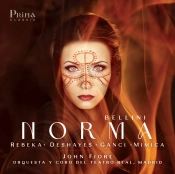
10%Bellini: Norma - CDPrima Classic10-202471,02€ 10% CARDfree shipping
-
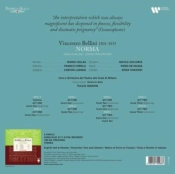
10%Bellini: Norma - VinilWarner Classics03-202395,41€ 10% CARDfree shipping
-
10%Bellini: Bianca E Fernando - CDDynamic12-202238,52€ 10% CARDfree shipping
-
10%Bellini: Il Pirata - CDPrima Classic09-202172,94€ 10% CARDfree shipping
-
10%Bellini: I Puritani - CDDelos08-202157,39€ 10% CARDfree shipping
-
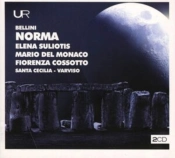
10%Bellini: Norma - CDUrania Records10-202050,29€ 10% CARDfree shipping
-
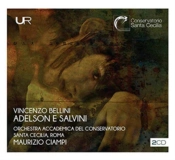
10%Vincenzo Bellini: Adelson E Salvini - CDLEONARDO11-201929,57€ 10% CARDfree shipping
-
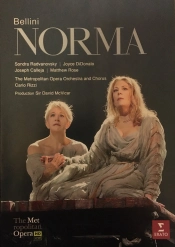
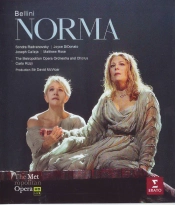
10%Norma - DVD/BluRayErato01-201827,59€ 10% CARDfree shipping
-
Norma - DVD/BluRayErato01-201831,15€
-
Bellini: Il Pirata - CDWarner Classics09-201717,96€
-
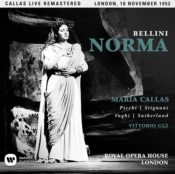
Bellini: Norma - CDWarner Classics09-201713,87€