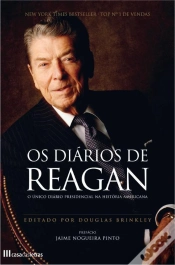
Ronald Reagan
Actor e político norte-americano de ascendência irlandesa, Ronald Wilson Reagan nasceu a 6 de Fevereiro de 1911, em Ilinois, nos Estados Unidos da América, e faleceu a 5 de Junho de 2004. Dedicando-se primeiro à rádio, onde fazia jornalismo desportivo, teve uma carreira artística de pouco destaque no cinema, entre o final dos anos 30 e os anos 50.
A partir de então, a actividade política passou a dominar a sua vida. Assumindo-se como membro da facção mais conservadora do Partido Republicano, Reagan conseguiu ser eleito governador da Califórnia em 1966, vindo a desempenhar o cargo até 1974. Tentou depois por mais de uma vez ser o candidato do seu partido às eleições presidenciais, mas só em 1980 conseguiu a nomeação. Derrotando o então presidente Jimmy Carter, tornou-se o quadragésimo presidente dos Estados Unidos da América. Cumpriu dois mandatos, de 1981 a 1989, tendo sempre como vice-presidente George Bush, que lhe viria a suceder no cargo.
Os anos da presidência foram marcados por importantes acontecimentos no plano interno e, sobretudo, internacional. Reagan foi alvo de um atentado a tiro em 1981, ao qual sobreviveu mas que o deixou gravemente ferido. Entretanto, optou por praticar uma política externa agressiva, investindo na esfera da defesa e da diplomacia com o objectivo claro de combater o comunismo internacional. No seu segundo mandato, porém, manifestou abertura ao diálogo com o líder reformista soviético Mikhail Gorbachev. Os dois chegaram a acordo quanto à necessidade de ser efectuado um desarmamento progressivo de parte a parte, assim pondo fim à chamada Guerra Fria. Os anos finais da presidência de Reagan foram perturbados por uma descoberta comprometedora: com o dinheiro resultante da venda (ilegal) de armas ao Irão estariam a ser apoiados os guerrilheiros que se opunham ao regime da Nicarágua. Embora não houvesse indícios claros de envolvimento ou sequer conhecimento da situação por parte do presidente, o caso abalou a credibilidade do próprio Reagan e a pressão da opinião pública levou ao afastamento de certos membros da sua administração.
In Infopédia [Em linha]. Porto: Porto Editora, 2003-2009. [Consult. 2009-10-08].
A partir de então, a actividade política passou a dominar a sua vida. Assumindo-se como membro da facção mais conservadora do Partido Republicano, Reagan conseguiu ser eleito governador da Califórnia em 1966, vindo a desempenhar o cargo até 1974. Tentou depois por mais de uma vez ser o candidato do seu partido às eleições presidenciais, mas só em 1980 conseguiu a nomeação. Derrotando o então presidente Jimmy Carter, tornou-se o quadragésimo presidente dos Estados Unidos da América. Cumpriu dois mandatos, de 1981 a 1989, tendo sempre como vice-presidente George Bush, que lhe viria a suceder no cargo.
Os anos da presidência foram marcados por importantes acontecimentos no plano interno e, sobretudo, internacional. Reagan foi alvo de um atentado a tiro em 1981, ao qual sobreviveu mas que o deixou gravemente ferido. Entretanto, optou por praticar uma política externa agressiva, investindo na esfera da defesa e da diplomacia com o objectivo claro de combater o comunismo internacional. No seu segundo mandato, porém, manifestou abertura ao diálogo com o líder reformista soviético Mikhail Gorbachev. Os dois chegaram a acordo quanto à necessidade de ser efectuado um desarmamento progressivo de parte a parte, assim pondo fim à chamada Guerra Fria. Os anos finais da presidência de Reagan foram perturbados por uma descoberta comprometedora: com o dinheiro resultante da venda (ilegal) de armas ao Irão estariam a ser apoiados os guerrilheiros que se opunham ao regime da Nicarágua. Embora não houvesse indícios claros de envolvimento ou sequer conhecimento da situação por parte do presidente, o caso abalou a credibilidade do próprio Reagan e a pressão da opinião pública levou ao afastamento de certos membros da sua administração.
In Infopédia [Em linha]. Porto: Porto Editora, 2003-2009. [Consult. 2009-10-08].