Roger Waters
Roger Waters é um dos nomes mais influentes e reconhecidos da música rock, conhecido principalmente como membro fundador, baixista e principal compositor do icónico grupo britânico Pink Floyd. Nascido a 6 de setembro de 1943, em Great Bookham, Inglaterra, Waters foi uma figura central na criação de alguns dos álbuns mais marcantes da história do rock, como The Dark Side of the Moon (1973), Wish You Were Here (1975) e The Wall (1979). A sua habilidade para compor músicas e letras introspectivas, muitas vezes com temas filosóficos e sociais, ajudou a transformar Pink Floyd numa das bandas mais aclamadas de todos os tempos.
Waters começou a sua carreira musical na década de 1960, mas foi com a formação de Pink Floyd em 1965 que ele realmente ganhou destaque. Originalmente, a banda era composta por Waters, Syd Barrett, Nick Mason, Richard Wright e David Gilmour. A banda rapidamente se tornou conhecida pela sua fusão de rock experimental, psicadelismo e conceitos filosóficos, mas foi quando Waters assumiu um papel mais dominante na composição e nas ideias por trás da banda que o seu som começou a tomar forma. Com sua visão artística, Waters ajudou a moldar o som e os temas que definiriam o estilo inconfundível do Pink Floyd.
Durante a sua época no Pink Floyd, Waters foi o principal autor das letras de muitas das músicas mais emblemáticas da banda, abordando temas como a alienação, a guerra, a loucura e a opressão. Álbuns como The Dark Side of the Moon, que ainda hoje é um dos álbuns mais vendidos de todos os tempos, e The Wall, uma das óperas rock mais conhecidas, são reflexões poderosas sobre a condição humana, e as suas letras se tornaram parte essencial do legado do rock progressivo. No entanto, a sua relação com os outros membros da banda deteriorou-se ao longo dos anos 70, principalmente devido às tensões criativas, e Waters acabou por deixar Pink Floyd em 1985.
Após a sua saída do Pink Floyd, Waters embarcou numa carreira a solo que também seria marcada por álbuns conceituais e temas profundos. O seu primeiro álbum a solo, The Pros and Cons of Hitch Hiking (1984), foi uma continuação do seu trabalho com Pink Floyd, com temas de alienação e conflitos internos. No entanto, foi com o álbum Amused to Death (1992) que Waters fez uma das suas obras mais aclamadas, abordando as questões da guerra, da mídia e da sociedade moderna de uma forma bastante crítica. O álbum, que também inclui algumas das suas reflexões mais pessoais, solidificou o seu lugar como um artista solo importante.
Roger Waters é também conhecido pelas suas performances ao vivo grandiosas, em que mistura música, teatro e cenários elaborados para criar experiências imersivas. O espetáculo da turnê The Wall (2010-2013), por exemplo, foi uma recriação épica do álbum homónimo de 1979, sendo uma das maiores turnês da sua carreira solo e atraindo uma vasta audiência global. Ao longo dos anos, Waters continuou a ser um defensor de várias causas políticas e sociais, frequentemente usando os seus concertos e entrevistas para abordar temas como os direitos humanos, a liberdade de expressão e a crítica ao poder governamental e corporativo.
Com uma carreira que se estende por mais de 50 anos, Roger Waters é um dos artistas mais inovadores e respeitados da música contemporânea. A sua influência na música rock, especialmente no que diz respeito à abordagem de temas profundos e à fusão de conceitos e música, é inegável. Mesmo após a sua saída do Pink Floyd, Waters continua a ser uma figura relevante na música e na cultura, utilizando a sua plataforma para provocar reflexão e questionar o estado do mundo moderno.
Waters começou a sua carreira musical na década de 1960, mas foi com a formação de Pink Floyd em 1965 que ele realmente ganhou destaque. Originalmente, a banda era composta por Waters, Syd Barrett, Nick Mason, Richard Wright e David Gilmour. A banda rapidamente se tornou conhecida pela sua fusão de rock experimental, psicadelismo e conceitos filosóficos, mas foi quando Waters assumiu um papel mais dominante na composição e nas ideias por trás da banda que o seu som começou a tomar forma. Com sua visão artística, Waters ajudou a moldar o som e os temas que definiriam o estilo inconfundível do Pink Floyd.
Durante a sua época no Pink Floyd, Waters foi o principal autor das letras de muitas das músicas mais emblemáticas da banda, abordando temas como a alienação, a guerra, a loucura e a opressão. Álbuns como The Dark Side of the Moon, que ainda hoje é um dos álbuns mais vendidos de todos os tempos, e The Wall, uma das óperas rock mais conhecidas, são reflexões poderosas sobre a condição humana, e as suas letras se tornaram parte essencial do legado do rock progressivo. No entanto, a sua relação com os outros membros da banda deteriorou-se ao longo dos anos 70, principalmente devido às tensões criativas, e Waters acabou por deixar Pink Floyd em 1985.
Após a sua saída do Pink Floyd, Waters embarcou numa carreira a solo que também seria marcada por álbuns conceituais e temas profundos. O seu primeiro álbum a solo, The Pros and Cons of Hitch Hiking (1984), foi uma continuação do seu trabalho com Pink Floyd, com temas de alienação e conflitos internos. No entanto, foi com o álbum Amused to Death (1992) que Waters fez uma das suas obras mais aclamadas, abordando as questões da guerra, da mídia e da sociedade moderna de uma forma bastante crítica. O álbum, que também inclui algumas das suas reflexões mais pessoais, solidificou o seu lugar como um artista solo importante.
Roger Waters é também conhecido pelas suas performances ao vivo grandiosas, em que mistura música, teatro e cenários elaborados para criar experiências imersivas. O espetáculo da turnê The Wall (2010-2013), por exemplo, foi uma recriação épica do álbum homónimo de 1979, sendo uma das maiores turnês da sua carreira solo e atraindo uma vasta audiência global. Ao longo dos anos, Waters continuou a ser um defensor de várias causas políticas e sociais, frequentemente usando os seus concertos e entrevistas para abordar temas como os direitos humanos, a liberdade de expressão e a crítica ao poder governamental e corporativo.
Com uma carreira que se estende por mais de 50 anos, Roger Waters é um dos artistas mais inovadores e respeitados da música contemporânea. A sua influência na música rock, especialmente no que diz respeito à abordagem de temas profundos e à fusão de conceitos e música, é inegável. Mesmo após a sua saída do Pink Floyd, Waters continua a ser uma figura relevante na música e na cultura, utilizando a sua plataforma para provocar reflexão e questionar o estado do mundo moderno.

Discography
-
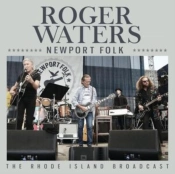
10%Newport Folk - VinilParachute06-202643,26€ 10% CARD
-
The Rock N' Roots Of - VinilIDS11-202540,10€
-
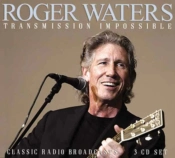
10%Transmission Impossible - CDEat to the Beat11-202524,55€ 10% CARDfree shipping
-
10%Newport Folk - CDYard Stick09-202523,46€ 10% CARDfree shipping
-
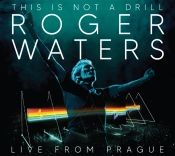
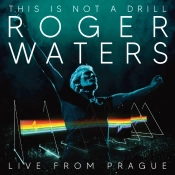
10%This Is Not a Drill - CDCMG08-202524,46€ 10% CARDfree shipping
-
10%This Is Not a Drill - VinilCMG08-202580,20€ 10% CARDfree shipping
-
10%Dark Side of the Moon Redux - VinilCooking Vinyl03-2025321,08€ 10% CARDfree shipping
-
10%This Is Not A Drill (Live From Prague - The Movie) - DVD/BluRayCOLUMBIA01-202527,29€ 10% CARDfree shipping
-
10%This Is Not A Drill (Live From Prague The Movie) - DVD/BluRayCOLUMBIA01-202534,16€ 10% CARDfree shipping
-
10%Live in the Eighties - VinilLaser Media12-202454,52€ 10% CARDfree shipping
-
10%Au Quebec - VinilSecond Records11-202456,19€ 10% CARDfree shipping
-
Au Quebec - VinilSecond Records11-202437,83€