Ralph Vaughan Williams
Vaughan Williams studied music at the Royal College of Music in London and at the University of Cambridge, where he was a student of composers such as Charles Villiers Stanford and Hubert Parry. He later studied with Max Bruch in Berlin and with Maurice Ravel in Paris, which helped refine his orchestral technique.
One of the most striking aspects of Vaughan Williams' work was his dedication to the preservation and revitalization of English folk music. He collected and transcribed hundreds of folk songs from the English countryside, and these melodies profoundly influenced his compositions. This connection to traditional folk music is evident in works such as Norfolk Rhapsody (1906) and the English Folk Song Suite (1923).
Among his best-known works are the nine symphonies he composed throughout his life, each with a unique character and expression. Symphony No. 1 (A Sea Symphony) (1910) incorporates texts by Walt Whitman and is one of the first symphonies to include voices as an integral part of the work. Symphony No. 5 (1943), often seen as one of his most lyrical and serene works, reflects the impact of World War II in a contemplative way, unlike the darker Symphony No. 6 (1947).
Another striking work is The Lark Ascending (1914), a piece for violin and orchestra inspired by a poem by George Meredith, which ethereally captures the beauty of the English landscape and is often performed and loved by audiences.
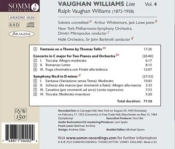
Vaughan Williams was also a prolific composer of choral and sacred music, as in his work Fantasia on a Theme by Thomas Tallis (1910), which demonstrates his ability to create rich and complex orchestral textures. In addition, he composed operas, ballets, chamber music, and film scores.
The legacy of Ralph Vaughan Williams is immense. Not only did he help define English music in the twentieth century, but he also created works that continue to resonate with depth and beauty, being performed by orchestras and choirs around the world. His music, deeply rooted in the English tradition, while seeking to innovate, guarantees him a prominent place among the great composers of history.
Discography
-
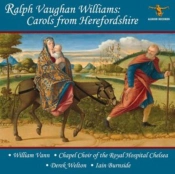
Ralph Vaughan Williams: Carols from Herefordshire - CDAlbion Records11-20240,00€
-
Ralph Vaughan Williams and Shakespeare: Royal Throne of Kings - CDAlbion Records11-20240,00€
-
Ralph Vaughan Williams: The Grinke Legacy - CDAlbion Records09-20240,00€
-
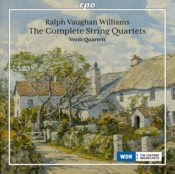
Ralph Vaughan Williams: The Complete String Quartets - CDCPO08-20240,00€
-
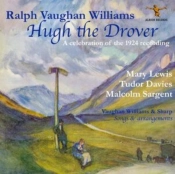
Ralph Vaughan Williams: Hugh the Drover - CDAlbion Records06-20240,00€
-
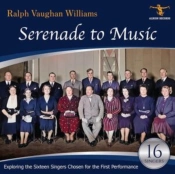
Ralph Vaughan Williams: Serenade to Music - CDAlbion Records03-20240,00€
-
Vaughan Williams: A Birthday Garland - CDSomm03-20240,00€
-
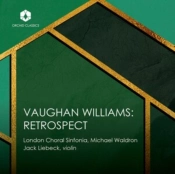
Vaughan Williams: Retrospect - CDOrchid Classics02-20240,00€
-
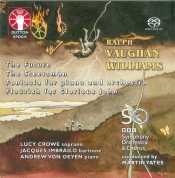
The Future & The Steersman - CDDutton Epoch01-20240,00€
-
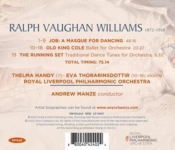
Vaughan Williams: Job: A Masque for Dancing/Old King Cole/... - CDONYX06-20230,00€
-
Vaughan Williams/MacMillan/Tevener: Choral Works - CDHyperion Records06-20230,00€
-
Songs of Elizabeth Maconchy & Ralph Vaughan Williams - CDResonus04-20230,00€
-
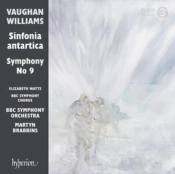
Vaughan Williams: Sinfonica Antartica/Symphony No. 9 - CDHyperion Records03-20230,00€
-
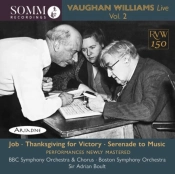
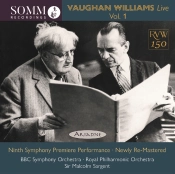
Vaughan Williams: Live - CDSomm02-20230,00€
-
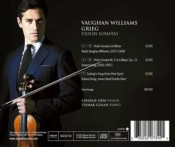
Vaughan Williams/Grieg: Violin Sonatas - CDSignum Classics02-20230,00€
-
Vaughan Williams: Fantasia On a Theme By Thomas Tallis/... - CDChandos02-20230,00€
-
Piatti Quartet: Boyle/Moeran/Ireland/Vaughan Williams - CDRubicon Classics01-20230,00€
-
49th Parallel - The Complete Music For The Film, (American Title: The Invaders) - CDDUTTON01-20230,00€
-
Vaughan Williams: Fantasia On the 'Old 104th' Psalm Tune/... - CDResonus12-20220,00€
-
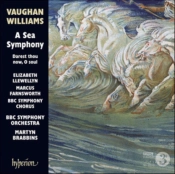
Vaughan Williams: A Sea Symphony & Serenade to Music - CDSolo Musica12-20220,00€
-
Vaughan Williams: Live - CDSomm11-20220,00€
-
Vaughan Williams: Live - CDSomm10-20220,00€
-
Ralph Vaughan Williams: Serenade - CDAlbion Records10-20220,00€
-
Vaughan Williams: Five Mystical Songs and Other British Choral... - CDNAXOS10-20220,00€
-
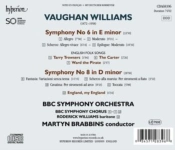
Vaughan Williams: Symphonies Nos 6 & 8 - CDHyperion Records10-20220,00€
-
Ralph Vaughan Williams: The New Collector's Edition - CDWarner Classics09-20220,00€
-
Vaughan Williams: The Lark Ascending/Symphony No. 6/Fantasia... - VinilWarner Classics09-20220,00€
-
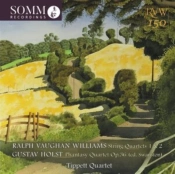
Ralph Vaughan Williams: String Quartets 1 & 2/Gustav Holst:... - CDSomm09-20220,00€
-
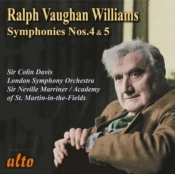
Ralph Vaughan Williams: Symphonies Nos. 4 & 5 - CDAlto09-20220,00€
-
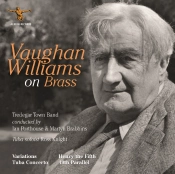
Vaughan Williams On Brass - CDAlbion Records08-20220,00€
-
Vaughan Williams/Berkeley/Warlock: Colourise - CDOrchid Classics07-20220,00€
-
Vaughan Williams: Live - CDSomm07-20220,00€
-
Vaughan Williams: Complete Works for Violin and Piano - CDMusikaleido07-20220,00€
-
Vaughan Williams/Ravel/Janacek/Debussy: Mythes - CDAtma Classique07-20220,00€
-
Ralph Vaughan Williams: Pan's Anniversary and Other Works - CDAlbion Records06-20220,00€
-
Vaughan Williams: The Complete Symphonies - CDHallé06-20220,00€
-
Vaughan Williams: Symphony No. 9 'Sinfonia Antartica'/... - CDHallé06-20220,00€
-
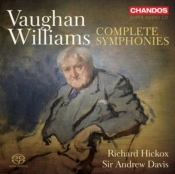
Vaughan Williams: Complete Symphonies - CDChandos05-20220,00€
-
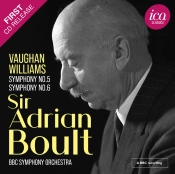
Vaughan Williams: Symphony No. 5/Symphony No. 6 - CDICA Classics04-20220,00€
-
Ralph Vaughan Williams: Folk Songs - CDAlbion Records04-20220,00€
-
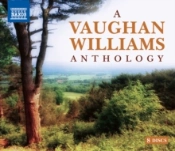
A Vaughan Williams Anthology - CDNAXOS04-20220,00€
-
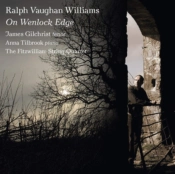
Vaughan Williams: On Wenlock Edge/Four Hymns/The House of Life - CDHYPERION04-20220,00€
-
Songs of Elizabeth Maconchy & Ralph Vaughan Williams - CDResonus Classics03-20220,00€
-
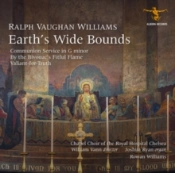
Ralph Vaughan Williams: Earth's Wide Bounds - CDAlbion Records03-20220,00€
-
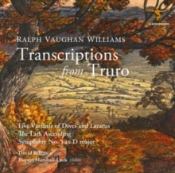
Ralph Vaughan Williams: Transcriptions from Truro - CDAlbion Records03-20220,00€
-
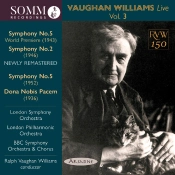
Vaughan Williams Live, Vol. 3 - CDSomm01-20220,00€
-
Ralph Vaughan Williams: An Oxford Christmas - CDAlbion Records10-20210,00€
-
Ralph Vaughan Williams: Folk Songs - CDAlbion Records09-20210,00€
-
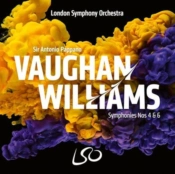
Vaughan Williams: Symphonies Nos. 4 & 6 - CDLSO Live04-20210,00€
-
Ralph Vaughan Williams: Folk Songs - CDAlbion Records03-20210,00€
-
Ralph Vaughan Williams: Folk Songs - CDAlbion Records10-20200,00€
-
Vaughan Williams: Job/Songs of Travel - CDHallé10-20200,00€
-
Vaughan Williams: Symphony No. 5/Finzi: Clarinet Concerto - CDBIS07-20200,00€
-
Vaughan Williams: Symphony No. 3 'Pastoral'/Symphony No. 4 - CDHYPERION01-20200,00€
-
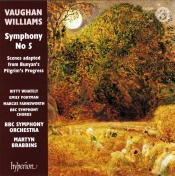
Symphony No 5 / Scenes Adapted From Bunyan's Pilgrim's Progress - CDHYPERION01-20200,00€
-
Vaughan Williams/Ravel/Dutilleux/Hesketh: The Deeper the Blue... - CDSomm11-20190,00€
-
Vaughan Williams: The Lark Ascending/... - CDONYX10-20190,00€
-
Albion's Journey: The Life and Work of Ralph Vaughan Williams - CDAlbion Records10-20190,00€
-
Ralph Vaughan Williams: The Song of Love - CDAlbion Records09-20190,00€
-
Mason Bates: Children of Adam/Ralph Vaughan Williams: Dona... - CDReference Recordings09-20190,00€
-
Ralph Vaughan Williams: On Wenlock Edge - CDLinn Records07-20190,00€
-
Vaughan Williams: Symphony No. 7, 'Antartica'/Symphony No. 9 - CDOnyx Classics05-20190,00€
-
Ralph Vaughan Williams: Viola Fantasia - CDAlbion Records05-20190,00€
-
Clarke: Viola Sonata/Bridge: Cello Sonata/Vaughan Williams: Six.. - CDHYPERION12-20180,00€
-
Vaughan Williams: A Sea Symphony/The Lark Ascending - CDONYX11-20180,00€
-
Vaughan Williams: A Sea Symphony/Darest Thou Now, O Soul - CDHYPERION09-20180,00€
-
Earth & Sky: Vaughan Williams Choral Premieres - CDAlbion Records09-20180,00€
-
Vaughan Williams: The Lark Ascending/Greensleeves/... - CDAlto09-20180,00€
-
Vaughan Williams: Symphony No. 6/Dona Nobis Pacem - CDVanguard Classics06-20180,00€
-
Vaughan Williams: Piano Concerto/Oboe Concerto/Serenade to Music - CDChandos06-20180,00€
-
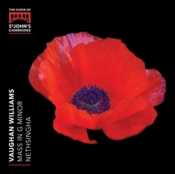
Vaughan Williams: Mass in G Minor - CDSignum Classics05-20180,00€
-
Kissing Her Hair: Twenty Early Songs of Ralph Vaughan Williams - CDAlbion05-20180,00€
-
Vaughan Williams: Symphony No. 5/Symphony No. 6 - CDONYX03-20180,00€
-
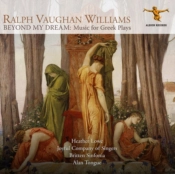
Ralph Vaughan Williams: Beyond My Dream - CDAlbion01-20180,00€
-
Vaughan Williams: Songs of Travel - CDChandos01-20180,00€
-
Vaughan Williams: Dona Nobis Pacem/Bernstein: Chichester Psalms - CDKing's College Cambridge11-20170,00€
-
Vaughan Williams: A London Symphony/Sound Sleep/... - CDHYPERION10-20170,00€
-
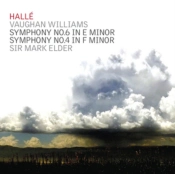
Vaughan Williams: Symphony No. 6 in E Minor/... - CDHallé10-20170,00€
-
Vaughan Williams: Sinfonia Antartica/... - CDChandos09-20170,00€
-
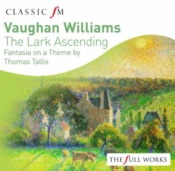
Vaughan Williams: The Lark Ascending/... - CDClassic FM08-20170,00€
-
Ralph Vaughan Williams: The Poisoned Kiss/... - CDCapriccio08-20170,00€
-
Songs of Dorset By Finzi, Vaughan Williams, Carey & Somervell - CDDiversions08-20170,00€
-
Vaughan Williams: A Pastoral Symphony/Symphony No. 4 - CDONYX03-20170,00€
-
Vaughan Williams: Job/Symphony No. 9 - CDChandos01-20170,00€
-
Ralph Vaughan Williams: The Piano Music of Ralph Vaughan Williams - CDSomm01-20170,00€
-
Ralph Vaughan Williams: Music for Two Pianos - CDAlbion12-20160,00€
-
Vaughan Williams: Fantasia On a Theme By Thomas Tallis/... - CDLSO Live11-20160,00€
-
Vaughan Williams: The Lark Ascending - CDNAXOS11-20160,00€
-
Ralph Vaughan Williams: Purer Than Pearl - CDAlbion10-20160,00€
-
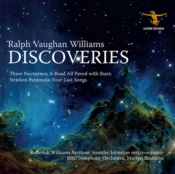
Ralph Vaughan Williams: Discoveries - CDAlbion09-20160,00€
-
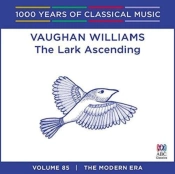
Vaughan Williams: The Lark Ascending - CDABC Classics09-20160,00€
-
Vaughan Williams, Gustav Holst, Herbert Howells: English... - CDSomm09-20160,00€
-
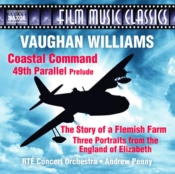
Vaughan Williams: Coastal Command/49th Parallel Prelude/... - CDNAXOS08-20160,00€
-
Vaughan Williams: A London Symphony/Symphony No. 8 - CDONYX04-20160,00€
-
Pinchas Zukerman: Vaughan Williams/Elgar - CDDecca Classics02-20160,00€
-
Ralph Vaughan Williams: Fair Child of Beauty - CDAlbion01-20160,00€
-
Vaughan Williams: Sir John in Love - CDLyrita01-20160,00€
-
Vaughan Williams: A Sea Symphony - CDHallé09-20150,00€
-
Vaughan Williams: Riders to the Sea - CDChandos07-20150,00€
-
Vaughan Williams & Goetz: Piano Quintets in C Minor - CDEs-Dur06-20150,00€