Rachel de Queiroz
Escritora brasileira, descendente do escritor José de Alencar, Rachel de Queiroz nasceu a 17 de novembro de 1910, em Fortaleza, no Ceará, e faleceu a 4 de novembro de 2003, no Rio de Janeiro. Residiu alternadamente no Rio de Janeiro e no Ceará até 1917, altura em que a família tenta fixar-se definitivamente no Rio de Janeiro. Em 1919 voltou para Quixadá, no sertão. Em 1921 foi para o Rio de Janeiro como interna do Colégio da Imaculada Conceição. Finalizado o curso quatro anos depois, voltou para a fazenda, passando a sua mãe a orientar-lhe as leituras.
Em 1927, a família passou a residir num local próximo de Fortaleza. Aí colaborou Rachel de Queiroz no jornal O Ceará, publicando em folhetim o romance Histórias de um Nome, além de poemas e crónicas.
Em 1930 publicou O Quinze, obra em que se estreou em volume como romancista e com que se tornou conhecida. Aí retrata com vigor os horrores da grande seca de 1915. Em 1937 passou a viver no Rio de Janeiro, onde escreveu muitas crónicas de grande vivacidade e que fizeram com que passasse a ser considerada uma das maiores escritoras brasileiras. Publicou em folhetins, no jornal O Cruzeiro, de quem era colaboradora assídua, o romance O Galo de Ouro (1950), a que se seguiram Maria Bárbara e O Solitário.
Nos anos 60, Rachel Queiroz trabalhou na Comissão dos Direitos Humanos da ONU, como delegada do Brasil. Foi membro do Conselho Federal de Cultura do Brasil desde a sua fundação em 1967 até à sua extinção em 1989.
Foi distinguida com vários prémios literários no Rio de Janeiro e S. Paulo, como o Prémio Machado de Assis em 1957 e o Prémio Nacional de Literatura de Brasília (pelo conjunto da sua obra) em 1980. Foi a primeira escritora a ingressar na Academia Brasileira de Letras (1977) e recebeu o doutoramento Honoris Causa pelas universidades Federal do Ceará (1981) e Estadual do Rio de Janeiro (2000). Foi galardoada com o Prémio Camões em 1993.
Rachel de Queiroz demonstra nas suas obras uma grande ligação aos locais onde vive. Nos romances nota-se a presença do Ceará, que para sempre marcou a sua memória. Nas crónicas de A Donzela e a Moura Torta (1948), 100 Crónicas Escolhidas (1958) e O Brasileiro Perplexo (1964), esta região alterna com o Rio de Janeiro.
Os problemas sociais são levantados, com frequência, sob a forma de reivindicação e ligados às criações da imaginação popular. No teatro, a peça Lampião (1953) é centrada no tema das secas, que corresponde à sua fase inicial. A peça A Beata Maria do Egito (1958) é uma adaptação da lenda do Nordeste brasileiro de Santa Maria Egipcíaca, apontando para uma fase espiritualista de raiz católica. A sua obra Memorial de Maria Moura (1992) foi alvo de uma série de TV produzida pela Globo (rede de televisão brasileira) em 1994, também exibida em Portugal. Escreveu uma autobiografia em 1998, intitulada Tantos Anos. Para além de escritora, traduziu obras de autores famosos, como Dostoievski, Tolstoi e Flaubert.
Rachel de Queiroz. In Infopédia [Em linha]. Porto: Porto Editora, 2003-2011.
Em 1930 publicou O Quinze, obra em que se estreou em volume como romancista e com que se tornou conhecida. Aí retrata com vigor os horrores da grande seca de 1915. Em 1937 passou a viver no Rio de Janeiro, onde escreveu muitas crónicas de grande vivacidade e que fizeram com que passasse a ser considerada uma das maiores escritoras brasileiras. Publicou em folhetins, no jornal O Cruzeiro, de quem era colaboradora assídua, o romance O Galo de Ouro (1950), a que se seguiram Maria Bárbara e O Solitário.
Nos anos 60, Rachel Queiroz trabalhou na Comissão dos Direitos Humanos da ONU, como delegada do Brasil. Foi membro do Conselho Federal de Cultura do Brasil desde a sua fundação em 1967 até à sua extinção em 1989.
Foi distinguida com vários prémios literários no Rio de Janeiro e S. Paulo, como o Prémio Machado de Assis em 1957 e o Prémio Nacional de Literatura de Brasília (pelo conjunto da sua obra) em 1980. Foi a primeira escritora a ingressar na Academia Brasileira de Letras (1977) e recebeu o doutoramento Honoris Causa pelas universidades Federal do Ceará (1981) e Estadual do Rio de Janeiro (2000). Foi galardoada com o Prémio Camões em 1993.
Rachel de Queiroz demonstra nas suas obras uma grande ligação aos locais onde vive. Nos romances nota-se a presença do Ceará, que para sempre marcou a sua memória. Nas crónicas de A Donzela e a Moura Torta (1948), 100 Crónicas Escolhidas (1958) e O Brasileiro Perplexo (1964), esta região alterna com o Rio de Janeiro.
Os problemas sociais são levantados, com frequência, sob a forma de reivindicação e ligados às criações da imaginação popular. No teatro, a peça Lampião (1953) é centrada no tema das secas, que corresponde à sua fase inicial. A peça A Beata Maria do Egito (1958) é uma adaptação da lenda do Nordeste brasileiro de Santa Maria Egipcíaca, apontando para uma fase espiritualista de raiz católica. A sua obra Memorial de Maria Moura (1992) foi alvo de uma série de TV produzida pela Globo (rede de televisão brasileira) em 1994, também exibida em Portugal. Escreveu uma autobiografia em 1998, intitulada Tantos Anos. Para além de escritora, traduziu obras de autores famosos, como Dostoievski, Tolstoi e Flaubert.
Rachel de Queiroz. In Infopédia [Em linha]. Porto: Porto Editora, 2003-2011.
Bibliography
-
10%Memorial de Maria MouraJosé Olympio05-202522,84€
25,38€free shipping -
Memorial de Maria MouraEdições BestBolso03-202225,38€
-
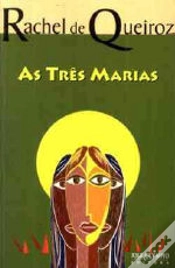
As Três MariasDiversos12-200513,78€
-
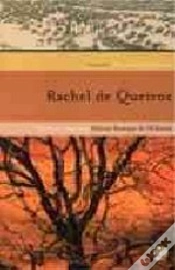
Melhores Crônicas de Rachel QueirozGlobal01-200418,02€
-
imagem não disponívelMemorial de Maria MouraMemorial de Maria MouraLivros do Brasil04-199415,86€
-
imagem não disponívelO QuinzeO QuinzeDifel04-19777,00€