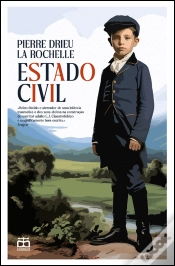
Pierre Drieu La Rochelle
Pierre Drieu La Rochelle (1893-1945) foi um escritor francês com uma vida atribulada que terminou em suicídio. Nascido no seio de uma antiga família da burguesia normanda, Pierre teve de lidar desde a infância com um pai ausente, um advogado sem talento e um homem de negócios incompetente, que mantinha abertamente relações extraconjugais e levava uma vida de excessos à custa do dote da sua esposa.
Esgotada a fortuna, o pai regressa aos braços de uma amante e a mãe parte, destruindo o estatuto social da família. É apenas com a avó que mantém a sua única relação de carinho, mas tal implica também a sua convivência com ideias conservadoras e anti-semitas. É com ela que Pierre fica fascinado com a figura de Napoleão. O jovem estuda com o objetivo de enveredar por uma carreira diplomática. Durante esse período, La Rochelle tem grande êxito com as mulheres, mas não consegue retirar prazer das suas relações. Casa-se com uma jovem judia da qual se divorcia quatro anos depois. As posições anti-semitas da avó não permitem que se aproxime da mulher nem emocional, nem sexualmente. Mobilizado durante a Primeira Guerra Mundial, é ferido por três vezes e essa experiência reflete-se nos seus primeiros romances. A partir daí, Drieu vive uma vida de instabilidade e indecisão constantes, hesitando entre a Action Française e os surrealistas, entre o nacionalismo e o europeísmo, o comunismo e o fascismo, o pacifismo e o culto dos valores guerreiros, a literatura e o compromisso político. Por duas vezes tentou o casamento, mas era incapaz de manter um relacionamento duradouro ao mesmo tempo que tinha várias amantes por curtos períodos. Apesar dos ziguezagues da sua vida, conseguiu construir uma obra literária sólida, essencialmente autobiográfica, que nos revela um homem de extrema inteligência, mas incapaz de se libertar dos seus traumas e dos seus fantasmas. Com a ocupação alemã torna-se colaboracionista e admirador confesso de Hitler. É colocado por recomendação do chanceler alemão em Paris como diretor da NRF, onde enceta um trabalho de exclusão de Autores judeus. Ao mesmo tempo, contudo, intercede a favor da primeira mulher e de vários amigos e conhecidos, resgatando-os de campos de concentração. Em 1943, com o encerramento da NRF, retira-se, desiludido da intervenção política dedicando-se à escrita e ao estudo da História das religiões. Ao longo de 1945, e apesar de constantes rumores sobre possíveis processos ou queixas contra Drieu la Rochelle, a intervenção de alguns dos maiores intelectuais e escritores da época – muitos dos quais protegera durante a ocupação – faz com que nunca se concretizem. Ainda assim, e com o culminar de diversas tentativas de suicídio que vinha encetando desde a infância, consegue pôr termo à vida. A sua obra continuou a ser publicada e no começo dos anos 2000, e apesar de várias polémicas, passou a integrar a Biblioteca de La Plêiade.
Esgotada a fortuna, o pai regressa aos braços de uma amante e a mãe parte, destruindo o estatuto social da família. É apenas com a avó que mantém a sua única relação de carinho, mas tal implica também a sua convivência com ideias conservadoras e anti-semitas. É com ela que Pierre fica fascinado com a figura de Napoleão. O jovem estuda com o objetivo de enveredar por uma carreira diplomática. Durante esse período, La Rochelle tem grande êxito com as mulheres, mas não consegue retirar prazer das suas relações. Casa-se com uma jovem judia da qual se divorcia quatro anos depois. As posições anti-semitas da avó não permitem que se aproxime da mulher nem emocional, nem sexualmente. Mobilizado durante a Primeira Guerra Mundial, é ferido por três vezes e essa experiência reflete-se nos seus primeiros romances. A partir daí, Drieu vive uma vida de instabilidade e indecisão constantes, hesitando entre a Action Française e os surrealistas, entre o nacionalismo e o europeísmo, o comunismo e o fascismo, o pacifismo e o culto dos valores guerreiros, a literatura e o compromisso político. Por duas vezes tentou o casamento, mas era incapaz de manter um relacionamento duradouro ao mesmo tempo que tinha várias amantes por curtos períodos. Apesar dos ziguezagues da sua vida, conseguiu construir uma obra literária sólida, essencialmente autobiográfica, que nos revela um homem de extrema inteligência, mas incapaz de se libertar dos seus traumas e dos seus fantasmas. Com a ocupação alemã torna-se colaboracionista e admirador confesso de Hitler. É colocado por recomendação do chanceler alemão em Paris como diretor da NRF, onde enceta um trabalho de exclusão de Autores judeus. Ao mesmo tempo, contudo, intercede a favor da primeira mulher e de vários amigos e conhecidos, resgatando-os de campos de concentração. Em 1943, com o encerramento da NRF, retira-se, desiludido da intervenção política dedicando-se à escrita e ao estudo da História das religiões. Ao longo de 1945, e apesar de constantes rumores sobre possíveis processos ou queixas contra Drieu la Rochelle, a intervenção de alguns dos maiores intelectuais e escritores da época – muitos dos quais protegera durante a ocupação – faz com que nunca se concretizem. Ainda assim, e com o culminar de diversas tentativas de suicídio que vinha encetando desde a infância, consegue pôr termo à vida. A sua obra continuou a ser publicada e no começo dos anos 2000, e apesar de várias polémicas, passou a integrar a Biblioteca de La Plêiade.
Share
Bibliography
-
10%Estado CivilE-primatur02-202413,41€
14,90€ -
O Fogo-FátuoSistema Solar07-201614,00€