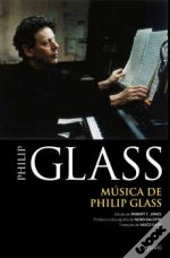
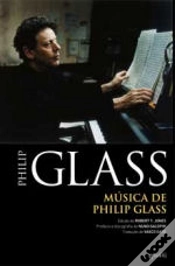
Philip Glass
Philip Glass é um dos compositores mais influentes e prolíficos dos séculos XX e XXI, conhecido principalmente como um dos pioneiros do minimalismo na música. Nascido a 31 de janeiro de 1937 em Baltimore, Maryland, Glass revolucionou a música contemporânea com as suas composições, frequentemente caracterizadas por padrões repetitivos, uma estrutura harmónica minimalista e uma profunda exploração do ritmo e da textura.
Glass começou a sua formação musical ainda jovem, estudando flauta e, posteriormente, composição na Universidade de Chicago e na Juilliard School. Um ponto crucial na sua carreira foi a colaboração com o famoso sitarista indiano Ravi Shankar nos anos 60, o que lhe abriu novas perspectivas sobre a música e o levou a desenvolver o estilo pelo qual se tornaria mundialmente conhecido. A sua música minimalista, que ele prefere chamar de "música com estruturas repetitivas", emergiu como uma resposta ao serialismo e ao modernismo que dominavam a música clássica na época.
Um dos seus primeiros trabalhos a ganhar notoriedade foi a ópera Einstein on the Beach (1976), criada em colaboração com o encenador Robert Wilson. Esta obra, que desafiava as convenções tradicionais da ópera, foi um marco na carreira de Glass, estabelecendo-o como uma figura central na música contemporânea. A ópera, sem uma narrativa linear clara, utiliza repetições e variações de frases musicais e textuais, criando uma experiência hipnótica e envolvente.
Philip Glass continuou a explorar e a expandir os limites da música com obras como Satyagraha (1980), baseada na vida de Mahatma Gandhi, e Akhnaten (1983), inspirada na história do faraó egípcio. Além das óperas, Glass compôs bandas sonoras icónicas para filmes como Koyaanisqatsi (1982), The Truman Show (1998) e The Hours (2002), pela qual recebeu uma nomeação ao Oscar.
Glass também colaborou com artistas de diferentes géneros musicais, incluindo o rock, pop, e música eletrónica, trabalhando com nomes como David Bowie, Brian Eno e Paul Simon. Esta abertura a diferentes influências e a capacidade de atravessar fronteiras musicais fizeram dele um dos compositores mais versáteis e influentes do seu tempo.
A música de Philip Glass continua a ter um impacto profundo na cultura contemporânea, sendo utilizada em concertos, filmes, e até em eventos políticos e sociais. A sua abordagem única à composição não só influenciou gerações de músicos e compositores, como também desafiou o público a repensar a experiência musical, oferecendo algo que é simultaneamente acessível e intelectualmente desafiante.
Glass começou a sua formação musical ainda jovem, estudando flauta e, posteriormente, composição na Universidade de Chicago e na Juilliard School. Um ponto crucial na sua carreira foi a colaboração com o famoso sitarista indiano Ravi Shankar nos anos 60, o que lhe abriu novas perspectivas sobre a música e o levou a desenvolver o estilo pelo qual se tornaria mundialmente conhecido. A sua música minimalista, que ele prefere chamar de "música com estruturas repetitivas", emergiu como uma resposta ao serialismo e ao modernismo que dominavam a música clássica na época.
Um dos seus primeiros trabalhos a ganhar notoriedade foi a ópera Einstein on the Beach (1976), criada em colaboração com o encenador Robert Wilson. Esta obra, que desafiava as convenções tradicionais da ópera, foi um marco na carreira de Glass, estabelecendo-o como uma figura central na música contemporânea. A ópera, sem uma narrativa linear clara, utiliza repetições e variações de frases musicais e textuais, criando uma experiência hipnótica e envolvente.
Philip Glass continuou a explorar e a expandir os limites da música com obras como Satyagraha (1980), baseada na vida de Mahatma Gandhi, e Akhnaten (1983), inspirada na história do faraó egípcio. Além das óperas, Glass compôs bandas sonoras icónicas para filmes como Koyaanisqatsi (1982), The Truman Show (1998) e The Hours (2002), pela qual recebeu uma nomeação ao Oscar.
Glass também colaborou com artistas de diferentes géneros musicais, incluindo o rock, pop, e música eletrónica, trabalhando com nomes como David Bowie, Brian Eno e Paul Simon. Esta abertura a diferentes influências e a capacidade de atravessar fronteiras musicais fizeram dele um dos compositores mais versáteis e influentes do seu tempo.
A música de Philip Glass continua a ter um impacto profundo na cultura contemporânea, sendo utilizada em concertos, filmes, e até em eventos políticos e sociais. A sua abordagem única à composição não só influenciou gerações de músicos e compositores, como também desafiou o público a repensar a experiência musical, oferecendo algo que é simultaneamente acessível e intelectualmente desafiante.
Discography
-
imagem não disponívelPhilip Glass: Another Look - CD10%Philip Glass: Another Look - CDB Records03-202526,41€ 10% CARDfree shipping
-
10%Philip Glass: Selected Piano Etudes - CDSomm02-202524,79€ 10% CARDfree shipping
-
10%Philip Glass: Piano Works - VinilDeutsche Grammophon01-202552,54€ 10% CARDfree shipping
-
10%Glass/Gorecki/Holt/Kancheli/Pärt/Kilar: Minimalist - CDIBS Classical11-202428,52€ 10% CARDfree shipping
-
10%Philip Glass: Cocteau Trilogy - VinilDeutsche Grammophon09-2024110,07€ 10% CARDfree shipping
-
10%Philip Glass: Complete Piano Etudes - CDDelphian08-202443,59€ 10% CARDfree shipping
-
10%Philip Glass: Etudes for Piano - CDOrange Mountain05-202425,78€ 10% CARDfree shipping
-
imagem não disponívelNaqoyaqatsi - Vinil10%Naqoyaqatsi - VinilMusic On Vinyl03-202449,29€ 10% CARDfree shipping
-
imagem não disponívelPhilip Glass: Cocteau Trilogy - CD10%Philip Glass: Cocteau Trilogy - CDDeutsche Grammophon02-202438,04€ 10% CARDfree shipping
-
10%Philip Glass: The Essential - VinilMusic On Vinyl01-202467,74€ 10% CARDfree shipping
-
Philip Glass: Solo - CDOrange Mountain01-202425,60€
-
10%Philip Glass Solo - VinilOrange Mountain Music01-202442,40€ 10% CARDfree shipping