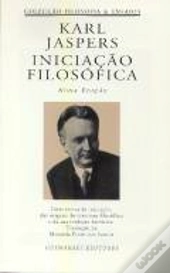
Karl Jaspers
Karl Theodor Jaspers (Oldemburgo, 23 de fevereiro de 1883 — Basileia, 26 de fevereiro de 1969) foi um filósofo e psiquiatra alemão.
Estudou medicina e, depois de trabalhar no hospital psiquiátrico da Universidade de Heidelberg, tornou-se professor de psicologia da Faculdade de Letras dessa instituição. Desligado de seu cargo pelo regime nazista em 1937, foi readmitido em 1945 e, três anos depois, passou a lecionar filosofia na Universidade de Basileia.
O pensamento de Jaspers foi influenciado pelo seu conhecimento em psicopatologia e, em parte, pelo pensamento de Kierkegaard, Nietzsche e Max Weber. Sempre teve interesse em integrar a ciência ao pensamento filosófico na medida em que, para Jaspers, as ciências são por si sós insuficientes e necessitam do exame crítico que só pode ser dado pela filosofia. Esta, por sua vez, deve basear-se numa elucidação, a mais completa possível, da existência do homem real, e não da humanidade abstrata. O resultado das reflexões de Jaspers sobre o tema foi a primeira formulação de sua filosofia existencial. Autor do livro de dois volumes: "Psicopatologia Geral" , grande marco em sua carreira e na evolução da psicopatologia.
O existencialismo (ou filosofia da existência) constitui, segundo Jaspers, o âmbito no qual se dá todo o saber e todo o descobrimento possível. Por isso a filosofia da existência vem a constituir-se numa metafísica. A existência, em qualquer de seus aspetos, é precisamente o contrário de um "objeto", pois pode ser definida como "o que é para si encaminhada". O problema central é como pensar a existência sem torná-la objeto.
A existência humana é entendida como intimamente vinculada à historicidade e à noção de situação: o existir é um transcender na liberdade, que abre o caminho em meio a um conjunto de situações históricas concretas.
Jaspers preocupou-se em estabelecer as relações entre existência e razão, o que levou-o a investigar em profundidade o conceito de verdade. Para ele, a verdade não é entendida como característica de nenhum enunciado particular: é antes uma espécie de ambiente que envolve todo o conhecimento.
Estudou medicina e, depois de trabalhar no hospital psiquiátrico da Universidade de Heidelberg, tornou-se professor de psicologia da Faculdade de Letras dessa instituição. Desligado de seu cargo pelo regime nazista em 1937, foi readmitido em 1945 e, três anos depois, passou a lecionar filosofia na Universidade de Basileia.
O pensamento de Jaspers foi influenciado pelo seu conhecimento em psicopatologia e, em parte, pelo pensamento de Kierkegaard, Nietzsche e Max Weber. Sempre teve interesse em integrar a ciência ao pensamento filosófico na medida em que, para Jaspers, as ciências são por si sós insuficientes e necessitam do exame crítico que só pode ser dado pela filosofia. Esta, por sua vez, deve basear-se numa elucidação, a mais completa possível, da existência do homem real, e não da humanidade abstrata. O resultado das reflexões de Jaspers sobre o tema foi a primeira formulação de sua filosofia existencial. Autor do livro de dois volumes: "Psicopatologia Geral" , grande marco em sua carreira e na evolução da psicopatologia.
O existencialismo (ou filosofia da existência) constitui, segundo Jaspers, o âmbito no qual se dá todo o saber e todo o descobrimento possível. Por isso a filosofia da existência vem a constituir-se numa metafísica. A existência, em qualquer de seus aspetos, é precisamente o contrário de um "objeto", pois pode ser definida como "o que é para si encaminhada". O problema central é como pensar a existência sem torná-la objeto.
A existência humana é entendida como intimamente vinculada à historicidade e à noção de situação: o existir é um transcender na liberdade, que abre o caminho em meio a um conjunto de situações históricas concretas.
Jaspers preocupou-se em estabelecer as relações entre existência e razão, o que levou-o a investigar em profundidade o conceito de verdade. Para ele, a verdade não é entendida como característica de nenhum enunciado particular: é antes uma espécie de ambiente que envolve todo o conhecimento.
Share
Bibliography
-
Os Mestres da HumanidadeEdições 7007-202321,90€free shipping
-
Pequena Escola do Pensamento FilosóficoCavalo de Ferro07-201616,59€
-
Os Mestres da HumanidadeEdições Almedina04-200312,00€
-
Psicopatologia Geral - 2 VolumesAtheneu Editora01-200095,17€
-
Iniciação FilosóficaGuimarães Editores04-199810,35€
-
O Médico na Era da TécnicaEdições 7004-199816,40€free shipping