José Craveirinha
Escritor moçambicano, José Craveirinha nasceu a 28 de Maio de 1922, em Lourenço Marques (actual Maputo), e faleceu a 6 de Fevereiro de 2003, na África do Sul. Filho de pai algarvio cuja família partira para Moçambique em 1908 em busca de fortuna, estudou na escola "Primeiro de Janeiro", pertencente à Maçonaria. Ainda adolescente, começou a frequentar a Associação Africana. Colaborou n'O Brado Africano , que tratava de assuntos de carácter local e que dissessem principalmente respeito à faixa da população mais desprotegida. Fez campanha contra o racismo no Notícias , onde trabalhava, tendo sido o primeiro jornalista oficialmente sindicalizado. Em 1958, começou a trabalhar também na Imprensa Nacional. Continuou no Notícias até à fundação do jornal A Tribuna , em 1962. Entre 1964 e 1968 esteve preso, em virtude da sua ligação à FRELIMO, mas teve a oportunidade de conhecer na prisão o pintor Malangatana.
Começou a escrever cedo, mas a sua poesia demorou a ser publicada. Em Lisboa, a primeira obra a surgir foi Xigubo , em 1964, através da Casa dos Estudantes do Império. A partir de determinada altura, a consciência política do autor passou a reflectir-se em obras como O Grito e O Tambor .
Apesar de a sua obra reflectir a influência dos surrealistas, é fortemente marcada por todo um carácter popular e tipicamente moçambicano. A sua poesia possui um carácter social que radica nas camadas mais profundas do povo moçambicano.
Escritor de ligações afectivas com Portugal, foi-lhe atribuído o Prémio Camões em 1991 e recebeu condecorações dos presidentes de Portugal e de Moçambique, Jorge Sampaio e Joaquim Chissano respectivamente.
Vice-presidente do Fundo Bibliográfico de Língua Portuguesa, escritor galardoado com o prémio "Vida Literária" da Associação de Escritores Moçambicanos, foi homenageado no dia 28 de Maio de 2002, na sequência da iniciativa do governo moçambicano em consagrar o ano de 2002 a José Craveirinha.
Começou a escrever cedo, mas a sua poesia demorou a ser publicada. Em Lisboa, a primeira obra a surgir foi Xigubo , em 1964, através da Casa dos Estudantes do Império. A partir de determinada altura, a consciência política do autor passou a reflectir-se em obras como O Grito e O Tambor .
Apesar de a sua obra reflectir a influência dos surrealistas, é fortemente marcada por todo um carácter popular e tipicamente moçambicano. A sua poesia possui um carácter social que radica nas camadas mais profundas do povo moçambicano.
Escritor de ligações afectivas com Portugal, foi-lhe atribuído o Prémio Camões em 1991 e recebeu condecorações dos presidentes de Portugal e de Moçambique, Jorge Sampaio e Joaquim Chissano respectivamente.
Vice-presidente do Fundo Bibliográfico de Língua Portuguesa, escritor galardoado com o prémio "Vida Literária" da Associação de Escritores Moçambicanos, foi homenageado no dia 28 de Maio de 2002, na sequência da iniciativa do governo moçambicano em consagrar o ano de 2002 a José Craveirinha.
Bibliography
-
10%Karingana Ua KaringanaA Bela e o Monstro12-20165,00€ 10% CARD
-
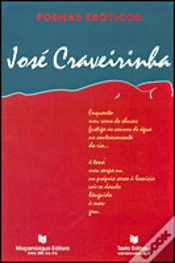
Poemas EróticosTexto Editores04-200412,61€
-
Poemas da PrisãoTexto Editores04-200412,90€
-
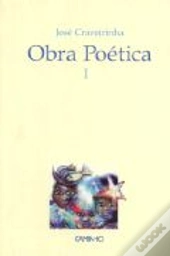
Obra Poética - Volume IEditorial Caminho04-199911,12€
-
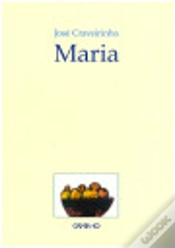
MariaEditorial Caminho04-199814,84€
-
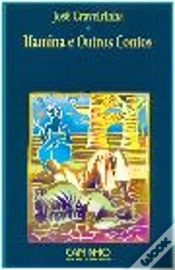
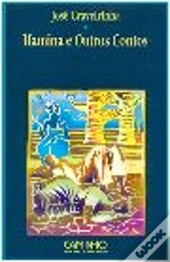
Hamina e Outros ContosEditorial Caminho04-19989,54€