Gustav Holst
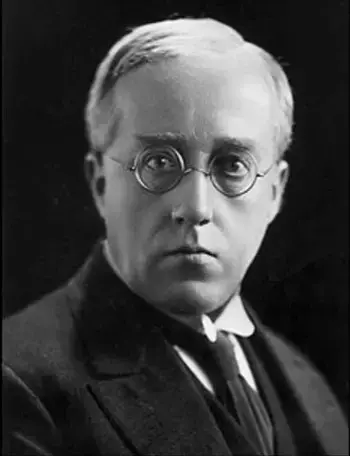
Gustav Holst (1874–1934) foi um compositor inglês, amplamente conhecido por sua obra "Os Planetas" (The Planets), uma das peças mais populares do repertório clássico do século XX. Nascido a 21 de setembro de 1874, em Cheltenham, Inglaterra, Holst teve uma carreira marcada pela sua exploração de novas sonoridades e pela fusão de influências da música folclórica, do misticismo oriental e da música clássica ocidental.
Holst iniciou sua formação musical com o piano, mas também estudou composição no Royal College of Music, onde teve aulas com compositores como Charles Villiers Stanford. Embora tenha começado sua carreira como músico de orquestra, com a ajuda de uma bolsa de estudos, foi como compositor que ele se destacou, particularmente por suas composições para banda militar e música orquestral. Sua música frequentemente combina uma riqueza harmônica com uma profundidade emocional e uma abordagem altamente rítmica.
Uma das maiores contribuições de Holst para a música clássica foi a sua obra "The Planets" (1914-1917), uma suíte sinfónica composta de sete movimentos, cada um nomeado com o nome de um planeta do sistema solar, exceto a Terra. A peça foi uma das primeiras a explorar as características astrológicas e os arquétipos associados aos planetas, e cada movimento reflete a personalidade ou a influência de cada planeta, como "Jupiter" (o movimento mais famoso, também conhecido como "The Bringer of Jollity") e "Mars" (o "Bringer of War"), com suas energias rítmicas intensas e poderosas. A obra é uma das mais interpretadas do repertório sinfónico e continua a ser uma referência na música de concerto.
Além de The Planets, Holst compôs uma série de outras obras significativas, incluindo St. Paul's Suite (1912), que é um excelente exemplo de sua habilidade em integrar música folclórica britânica com a tradição clássica. Ele também era muito interessado em música indiana e, em particular, em ragas, o que influenciou a sua composição Savitri (1916), uma ópera curta baseada numa lenda hindu. Sua curiosidade por músicas de outras culturas e sua busca por formas novas e interessantes de composição foram uma das suas principais características.
Outro aspecto importante de Holst foi sua contribuição para a música para banda. Ele escreveu várias peças para bandas militares e escolas, e suas obras para bandas, como First Suite in E-flat (1909) e Second Suite in F (1911), continuam a ser pilares do repertório de bandas de metais. Essas peças demonstram sua habilidade em escrever para o formato de banda com grande clareza e criatividade.
Apesar do sucesso de The Planets, Holst teve uma carreira um tanto difícil em termos de reconhecimento financeiro. Embora fosse altamente respeitado pelos seus colegas compositores e músicos, ele nunca alcançou grande sucesso financeiro ou fama pública durante a sua vida. No entanto, o seu legado perdura até hoje, especialmente através da sua música orquestral e de banda.
Gustav Holst morreu em 25 de maio de 1934, em Londres, após uma longa batalha com a saúde. Embora tenha sido mais reconhecido postumamente, especialmente por The Planets, a sua música continua a ser uma parte essencial do repertório clássico, e sua exploração de novos sons e influências ainda é muito admirada. Holst teve uma grande influência no desenvolvimento da música inglesa no século XX, e seu trabalho continua a inspirar compositores, músicos e ouvintes ao redor do mundo.
Holst iniciou sua formação musical com o piano, mas também estudou composição no Royal College of Music, onde teve aulas com compositores como Charles Villiers Stanford. Embora tenha começado sua carreira como músico de orquestra, com a ajuda de uma bolsa de estudos, foi como compositor que ele se destacou, particularmente por suas composições para banda militar e música orquestral. Sua música frequentemente combina uma riqueza harmônica com uma profundidade emocional e uma abordagem altamente rítmica.
Uma das maiores contribuições de Holst para a música clássica foi a sua obra "The Planets" (1914-1917), uma suíte sinfónica composta de sete movimentos, cada um nomeado com o nome de um planeta do sistema solar, exceto a Terra. A peça foi uma das primeiras a explorar as características astrológicas e os arquétipos associados aos planetas, e cada movimento reflete a personalidade ou a influência de cada planeta, como "Jupiter" (o movimento mais famoso, também conhecido como "The Bringer of Jollity") e "Mars" (o "Bringer of War"), com suas energias rítmicas intensas e poderosas. A obra é uma das mais interpretadas do repertório sinfónico e continua a ser uma referência na música de concerto.
Além de The Planets, Holst compôs uma série de outras obras significativas, incluindo St. Paul's Suite (1912), que é um excelente exemplo de sua habilidade em integrar música folclórica britânica com a tradição clássica. Ele também era muito interessado em música indiana e, em particular, em ragas, o que influenciou a sua composição Savitri (1916), uma ópera curta baseada numa lenda hindu. Sua curiosidade por músicas de outras culturas e sua busca por formas novas e interessantes de composição foram uma das suas principais características.
Outro aspecto importante de Holst foi sua contribuição para a música para banda. Ele escreveu várias peças para bandas militares e escolas, e suas obras para bandas, como First Suite in E-flat (1909) e Second Suite in F (1911), continuam a ser pilares do repertório de bandas de metais. Essas peças demonstram sua habilidade em escrever para o formato de banda com grande clareza e criatividade.
Apesar do sucesso de The Planets, Holst teve uma carreira um tanto difícil em termos de reconhecimento financeiro. Embora fosse altamente respeitado pelos seus colegas compositores e músicos, ele nunca alcançou grande sucesso financeiro ou fama pública durante a sua vida. No entanto, o seu legado perdura até hoje, especialmente através da sua música orquestral e de banda.
Gustav Holst morreu em 25 de maio de 1934, em Londres, após uma longa batalha com a saúde. Embora tenha sido mais reconhecido postumamente, especialmente por The Planets, a sua música continua a ser uma parte essencial do repertório clássico, e sua exploração de novos sons e influências ainda é muito admirada. Holst teve uma grande influência no desenvolvimento da música inglesa no século XX, e seu trabalho continua a inspirar compositores, músicos e ouvintes ao redor do mundo.
Bibliography
-
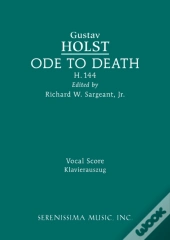
Ode To Death, H.144Serenissima Music09-202212,10€
-
Ode To Death, H.144Serenissima Music08-202210,24€
-
Moorside Suite, H.173Serenissima Music08-202212,81€
-
Japanese Suite, H.126Serenissima Music08-202212,81€
-
Christmas Day, H.109Serenissima Music08-202210,24€
-
Christmas Day, H.109Serenissima Music08-202211,53€
-
A Fugal Overture, H.151Serenissima Music08-202210,24€
-
A Fugal Concerto, H.152Serenissima Music08-202210,24€
-
St. Paul'S Suite, H.118Serenissima Music12-201817,96€
-
Terly Terlow - An Old English Carol - Sheet Music For Mixed Chorus, Oboe And CelloRead Books10-201712,86€
-
imagem não disponívelJupiter Hymn Musique D'Ensemble-Partition+Parties Separees10%Jupiter Hymn Musique D'Ensemble-Partition+Parties SepareesHASKE01-201328,24€ 10% CARDfree shipping
-
imagem não disponívelJupiter Hymn Trombone-Partition+Parties Separees10%Jupiter Hymn Trombone-Partition+Parties SepareesHASKE01-201228,24€ 10% CARDfree shipping


Discography
-
10%Gustav Holst: Fide Et Literis - CDEM Records12-202424,13€ 10% CARDfree shipping
-
10%The Best: Holst - CDUniversal Music Japan10-202432,88€ 10% CARDfree shipping
-
10%Holst and His Contemporaries: Romance and Reverie - CDAlbion Records10-202420,22€ 10% CARDfree shipping
-
10%Holst: Savitri/The Planets/The Perfect Fool Ballet Suite/... - CDSomm08-202445,97€ 10% CARDfree shipping
-
10%Holst: The Planets - CDDecca Classics02-202423,97€ 10% CARDfree shipping
-
10%Holst: The Planets - VinilDecca Classics02-202444,09€ 10% CARDfree shipping
-
10%The Planets - CDQuartet Records01-202431,38€ 10% CARDfree shipping
-
10%Holst: The Planets/Hammersmith/A Fugal Overture/... - CDICA Classics09-202338,04€ 10% CARDfree shipping
-
imagem não disponívelHolst: The Planets - Vinil10%Holst: The Planets - VinilWarner Classics05-202328,62€ 10% CARDfree shipping
-
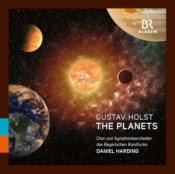
10%Gustav Holst: The Planets - CDBR Klassik04-202324,58€ 10% CARDfree shipping
-
10%I Vow to Thee, My Country: Choral Music By Gustav Holst - CDSomm11-202224,72€ 10% CARDfree shipping
-
10%Holst: The Perfect Fool - CDLyrita09-202132,81€ 10% CARDfree shipping