Felix Mendelssohn-Bartholdy
Felix Mendelssohn-Bartholdy foi um dos compositores mais importantes e influentes do período romântico, nascido a 3 de fevereiro de 1809 em Hamburgo, Alemanha, e falecido a 4 de novembro de 1847 em Leipzig. Mendelssohn destacou-se como um prodígio musical desde muito jovem, sendo frequentemente comparado a Wolfgang Amadeus Mozart por sua precocidade e talento. Além de compositor, ele foi também maestro, pianista e educador, desempenhando um papel crucial no renascimento da música de Johann Sebastian Bach e na vida musical europeia do século XIX.
Mendelssohn nasceu numa família intelectual e culturalmente rica. O seu avô, Moses Mendelssohn, foi um renomado filósofo judeu da Ilustração. A sua família converteu-se ao cristianismo quando Felix era ainda criança, adotando o sobrenome Bartholdy para marcar essa transição. Educado em um ambiente que favorecia tanto as artes quanto as ciências, Mendelssohn começou a compor desde cedo e a receber aulas de piano e composição com professores ilustres.
Entre as suas obras mais famosas estão a Abertura para Sonho de Uma Noite de Verão (1826), que inclui a célebre "Marcha Nupcial", amplamente usada em casamentos até hoje, e as Sinfonias para Cordas, compostas quando Mendelssohn era ainda adolescente. A sua Sinfonia nº 4 (Italiana) e Sinfonia nº 3 (Escocesa) são igualmente aclamadas, refletindo suas viagens pela Europa e a influência das paisagens e culturas que encontrou.
Mendelssohn também foi um defensor entusiástico da música de Bach, organizando uma performance histórica da Paixão Segundo São Mateus em 1829, que marcou o renascimento do interesse pela obra de Bach e foi um ponto de viragem na carreira de Mendelssohn.
Além disso, ele foi um dos fundadores do Conservatório de Leipzig, onde lecionou e promoveu a educação musical de alta qualidade. Ele também desempenhou um papel significativo como maestro, conduzindo a Orquestra Gewandhaus de Leipzig e elevando o nível artístico dessa instituição.
A música de Mendelssohn é caracterizada pela clareza formal, lirismo e uma delicadeza que a distingue no repertório romântico. Apesar de sua morte prematura aos 38 anos, o legado de Mendelssohn permanece vibrante, e as suas obras continuam a ser amplamente executadas e admiradas em todo o mundo.
Mendelssohn nasceu numa família intelectual e culturalmente rica. O seu avô, Moses Mendelssohn, foi um renomado filósofo judeu da Ilustração. A sua família converteu-se ao cristianismo quando Felix era ainda criança, adotando o sobrenome Bartholdy para marcar essa transição. Educado em um ambiente que favorecia tanto as artes quanto as ciências, Mendelssohn começou a compor desde cedo e a receber aulas de piano e composição com professores ilustres.
Entre as suas obras mais famosas estão a Abertura para Sonho de Uma Noite de Verão (1826), que inclui a célebre "Marcha Nupcial", amplamente usada em casamentos até hoje, e as Sinfonias para Cordas, compostas quando Mendelssohn era ainda adolescente. A sua Sinfonia nº 4 (Italiana) e Sinfonia nº 3 (Escocesa) são igualmente aclamadas, refletindo suas viagens pela Europa e a influência das paisagens e culturas que encontrou.
Mendelssohn também foi um defensor entusiástico da música de Bach, organizando uma performance histórica da Paixão Segundo São Mateus em 1829, que marcou o renascimento do interesse pela obra de Bach e foi um ponto de viragem na carreira de Mendelssohn.
Além disso, ele foi um dos fundadores do Conservatório de Leipzig, onde lecionou e promoveu a educação musical de alta qualidade. Ele também desempenhou um papel significativo como maestro, conduzindo a Orquestra Gewandhaus de Leipzig e elevando o nível artístico dessa instituição.
A música de Mendelssohn é caracterizada pela clareza formal, lirismo e uma delicadeza que a distingue no repertório romântico. Apesar de sua morte prematura aos 38 anos, o legado de Mendelssohn permanece vibrante, e as suas obras continuam a ser amplamente executadas e admiradas em todo o mundo.
Bibliography
-
10%Mendelssohn-Bartholdy: Lieder ohne Worte III for PianoKönemann01-20017,95€ 10% CARD
-
10%Mendelssohn-Bartholdy: Lieder ohne Worte I for PianoKönemann01-20017,95€ 10% CARD
-
10%Mendelssohn-Bartholdy: Lieder ohne Worte II for PianoKönemann01-20017,95€ 10% CARD


Discography
-
Nikolaus Harnoncourt - CDSony Classical01-202626,83€
-
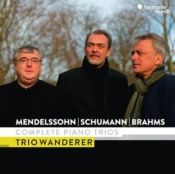
10%Mendelssohn/Schumann & Brahms: Complete Piano Trios - CDHARMONIA MUNDI05-202530,86€ 10% CARDfree shipping
-
imagem não disponívelMendelssohn & Mendelssohn (Fanny): String Quartets - Vinil10%Mendelssohn & Mendelssohn (Fanny): String Quartets - VinilHyperion Records03-202533,25€ 10% CARDfree shipping
-
imagem não disponívelMendelssohn/Tchaikovsky: Violin Concertos - CD10%Mendelssohn/Tchaikovsky: Violin Concertos - CDNAXOS03-202528,50€ 10% CARDfree shipping
-
imagem não disponívelMendelssohn: String Quartet No. 2 and 6 & Songs Without Words - CD10%Mendelssohn: String Quartet No. 2 and 6 & Songs Without Words - CDBerlin Classics02-202531,42€ 10% CARDfree shipping
-
10%Stewart Goodyear: Mendelssohn/Goodyear/Schumann - CDOrchid Classics02-202524,07€ 10% CARDfree shipping
-
10%A Midsummer Night's Dream - CDAlia Vox11-202454,74€ 10% CARDfree shipping
-
10%Felix Mendelssohn Bartholdy: Transcriptions - CDCoviello11-202426,16€ 10% CARDfree shipping
-
Mendelssohn: Piano Trios - CDSony Classical10-202417,91€
-
10%Mendelssohn: Symphonies - CDVox Classics10-202424,79€ 10% CARDfree shipping
-
10%Felix Mendelssohn Bartholdy: String Symphonies 11-13 - CDMDG10-202425,51€ 10% CARDfree shipping
-
10%Mendelssohn: Elijah - CDLSO Live10-202429,19€ 10% CARDfree shipping