Erik Satie
Erik Satie foi um compositor e pianista francês nascido a 17 de maio de 1866 em Honfleur, França, e falecido a 1 de julho de 1925 em Paris. Satie é amplamente lembrado como uma das figuras mais excêntricas e inovadoras da música clássica do início do século XX. Ele é considerado um precursor de vários movimentos musicais modernos, incluindo o minimalismo, a música ambiente e até o surrealismo, influenciando profundamente compositores e artistas que vieram depois dele.
Satie começou os seus estudos musicais no Conservatório de Paris, mas não se adaptou ao ambiente académico tradicional, sendo considerado pelos seus professores como indisciplinado e sem talento. No entanto, ele continuou a desenvolver o seu estilo único, caracterizado por simplicidade, repetição e uma certa excentricidade. Este estilo tornou-se evidente em uma das suas obras mais conhecidas, as "Gymnopédies" (1888), um conjunto de três peças para piano. Com o seu ritmo lento e sonoridade etérea, estas peças são frequentemente associadas ao início da música ambiente e minimalista.
Além das "Gymnopédies", Satie também é conhecido pelas "Gnossiennes", que demonstram a sua habilidade em criar atmosferas introspectivas e enigmáticas. Essas composições, desprovidas de marcações de tempo ou dinâmicas convencionais, convidam o intérprete a explorar um mundo sonoro de grande liberdade interpretativa, refletindo a abordagem inovadora e pouco ortodoxa de Satie à composição.
Satie não era apenas um compositor, mas também uma figura cultural significativa e excêntrica, conhecida pelo seu humor mordaz e pelo seu estilo de vida pouco convencional. Ele se autodenominava "gymnopedista" e "phonometrographer", termos que inventou para refletir a sua aversão aos rótulos tradicionais. A sua excentricidade estendia-se também aos seus escritos e anotações musicais, que frequentemente continham humor, ironia e críticas à sociedade e ao mundo da música clássica.
No âmbito das artes, Satie foi um importante influenciador do movimento Dada e do surrealismo, colaborando com artistas como Jean Cocteau e Pablo Picasso. Um exemplo notável dessa colaboração é a peça "Parade" (1917), um balé criado em conjunto com Cocteau e Picasso, que se destaca como um marco na junção da música com as vanguardas artísticas da época.
Erik Satie deixou um legado duradouro na música e na arte, sendo celebrado não apenas pelas suas composições, mas também pela sua influência em diversos movimentos artísticos do século XX. A sua abordagem inovadora à música e à vida continua a inspirar músicos e artistas até hoje.
Satie começou os seus estudos musicais no Conservatório de Paris, mas não se adaptou ao ambiente académico tradicional, sendo considerado pelos seus professores como indisciplinado e sem talento. No entanto, ele continuou a desenvolver o seu estilo único, caracterizado por simplicidade, repetição e uma certa excentricidade. Este estilo tornou-se evidente em uma das suas obras mais conhecidas, as "Gymnopédies" (1888), um conjunto de três peças para piano. Com o seu ritmo lento e sonoridade etérea, estas peças são frequentemente associadas ao início da música ambiente e minimalista.
Além das "Gymnopédies", Satie também é conhecido pelas "Gnossiennes", que demonstram a sua habilidade em criar atmosferas introspectivas e enigmáticas. Essas composições, desprovidas de marcações de tempo ou dinâmicas convencionais, convidam o intérprete a explorar um mundo sonoro de grande liberdade interpretativa, refletindo a abordagem inovadora e pouco ortodoxa de Satie à composição.
Satie não era apenas um compositor, mas também uma figura cultural significativa e excêntrica, conhecida pelo seu humor mordaz e pelo seu estilo de vida pouco convencional. Ele se autodenominava "gymnopedista" e "phonometrographer", termos que inventou para refletir a sua aversão aos rótulos tradicionais. A sua excentricidade estendia-se também aos seus escritos e anotações musicais, que frequentemente continham humor, ironia e críticas à sociedade e ao mundo da música clássica.
No âmbito das artes, Satie foi um importante influenciador do movimento Dada e do surrealismo, colaborando com artistas como Jean Cocteau e Pablo Picasso. Um exemplo notável dessa colaboração é a peça "Parade" (1917), um balé criado em conjunto com Cocteau e Picasso, que se destaca como um marco na junção da música com as vanguardas artísticas da época.
Erik Satie deixou um legado duradouro na música e na arte, sendo celebrado não apenas pelas suas composições, mas também pela sua influência em diversos movimentos artísticos do século XX. A sua abordagem inovadora à música e à vida continua a inspirar músicos e artistas até hoje.
Bibliography
-
10%O Espírito Musical | L'Esprit MusicalEstratégias Criativas08-20244,50€
5,00€ -
Escritos em Forma de Grafonola& Etc.04-199310,58€


Discography
-
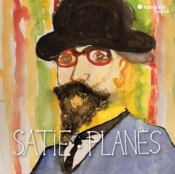
Planès: Satie - CDHARMONIA MUNDI03-202528,37€
-
imagem não disponívelSatie: The Piano Works - CD10%Satie: The Piano Works - CDDecca Classics07-202423,88€ 10% CARDfree shipping
-
10%Satie: The Piano Works - VinilDecca Classics07-202444,58€ 10% CARDfree shipping
-
Satie: The Solo Piano Music - CDDecca01-202426,01€
-
10%Bertrand Chamayou: Letter(s) to Erik Satie - VinilErato11-202338,17€ 10% CARDfree shipping
-
imagem não disponívelBertrand Chamayou: Letter(s) to Erik Satie - CD10%Bertrand Chamayou: Letter(s) to Erik Satie - CDErato11-202312,81€ 10% CARD
-
10%Satie: Avant-dernières Pensées - VinilHARMONIA MUNDI11-202340,96€ 10% CARDfree shipping
-
Wave Notation 3: Erik Satie 1984 - CDWRWTFWW08-202324,53€
-
Wave Notation 3: Erik Satie 1984 - VinilWRWTFWW07-202360,87€
-
10%Erik Satie: Art Works 1892-1924 - CDLes Disques Du Crepuscule05-202346,69€ 10% CARDfree shipping
-
Erik Satie: Vexations Revisited - CDSoond05-202323,77€
-
10%Markus Leoson: Piazzolla, Satie & Other Favourites - CDDB Productions04-202324,71€ 10% CARDfree shipping