Ennio Morricone
Ennio Morricone foi um compositor, maestro e arranjador italiano, nascido a 10 de novembro de 1928 em Roma, Itália, e falecido a 6 de julho de 2020. Ele é amplamente considerado um dos maiores compositores de bandas sonoras da história do cinema, com uma carreira que abrangeu mais de seis décadas e mais de 500 partituras para filmes e televisão, além de mais de 100 obras clássicas. Morricone é conhecido pela sua capacidade de criar música evocativa e inovadora que transcende géneros e estilos, e muitas das suas composições tornaram-se parte indissociável da cultura popular.
Morricone iniciou a sua formação musical no Conservatório de Santa Cecília em Roma, onde estudou trompete, composição e regência. Após concluir os estudos, começou a trabalhar como arranjador e compositor de música para cinema e televisão na Itália. A sua grande oportunidade veio na década de 1960, quando começou a colaborar com o realizador Sergio Leone, um amigo de infância, em vários filmes que viriam a definir o género dos western spaghetti.
A colaboração entre Morricone e Leone começou com o filme Per un pugno di dollari (Por Um Punhado de Dólares, 1964), e continuou com Per qualche dollaro in più (Por Mais Alguns Dólares, 1965) e Il buono, il brutto, il cattivo (O Bom, o Mau e o Vilão, 1966). Estas bandas sonoras, especialmente a de O Bom, o Mau e o Vilão, tornaram-se icónicas e redefiniram o papel da música nos filmes. A música de Morricone para esses filmes era inovadora e diferente de qualquer coisa que já tinha sido feita no cinema: ele incorporava sons pouco convencionais, como assobios, disparos, sinos de igreja, chicotes e guitarras elétricas, criando uma atmosfera única que captava perfeitamente o espírito dos filmes de Leone.
O tema principal de O Bom, o Mau e o Vilão é uma das peças mais reconhecíveis da história do cinema e tornou-se um símbolo da música western. Esta colaboração entre Morricone e Leone culminou com C'era una volta il West (Aconteceu no Oeste, 1968) e Giù la testa (Aguenta-te, Canalha!, 1971), que também são amplamente aclamadas por suas partituras.
Embora Morricone seja mais famoso pelas suas bandas sonoras para westerns spaghetti, o seu trabalho abrange uma vasta gama de géneros e estilos. Ele compôs música para thrillers, dramas, comédias, filmes de guerra e filmes de arte, colaborando com alguns dos mais renomados realizadores de todo o mundo, incluindo Pier Paolo Pasolini, Bernardo Bertolucci, Brian De Palma, Terrence Malick, Roland Joffé e Quentin Tarantino.
Uma das suas bandas sonoras mais aclamadas é para o filme The Mission (A Missão, 1986), realizado por Roland Joffé. A música de Morricone para The Mission é uma das mais emocionantes e poderosas da sua carreira, combinando coros indígenas com orquestração clássica e captando de forma magistral o conflito espiritual e cultural no coração do filme. O tema "Gabriel's Oboe" é especialmente notável pela sua beleza lírica e tornou-se uma das suas peças mais queridas.
Morricone também recebeu elogios por sua partitura para Nuovo Cinema Paradiso (Cinema Paraíso, 1988), realizado por Giuseppe Tornatore. Este filme, uma celebração do cinema e da memória, é acompanhado por uma trilha sonora que é ao mesmo tempo nostálgica e comovente, capturando a essência emocional do filme de forma perfeita.
Ao longo da sua carreira, Morricone recebeu inúmeros prémios e honrarias, incluindo dois Óscares: um em 2007 pelo conjunto da sua obra e outro em 2016 pela banda sonora do filme The Hateful Eight de Quentin Tarantino, que lhe rendeu o Óscar de Melhor Banda Sonora Original. Além disso, Morricone ganhou três Globos de Ouro, seis BAFTAs e vários outros prémios importantes da indústria cinematográfica.
Apesar da sua vasta produção de música para cinema, Morricone nunca deixou de compor música clássica e de concerto, criando obras para orquestra, coral, câmara e solo. Ele também foi um maestro respeitado, conduzindo muitas das suas próprias composições em concertos por todo o mundo.
Ennio Morricone é amplamente considerado um dos maiores mestres da composição cinematográfica, tendo criado um legado que continua a influenciar compositores e realizadores até hoje. A sua música, caracterizada por uma combinação única de inovação, emoção e técnica, permanece viva não apenas nos filmes para os quais foi composta, mas também na memória coletiva de milhões de pessoas em todo o mundo.
Morricone iniciou a sua formação musical no Conservatório de Santa Cecília em Roma, onde estudou trompete, composição e regência. Após concluir os estudos, começou a trabalhar como arranjador e compositor de música para cinema e televisão na Itália. A sua grande oportunidade veio na década de 1960, quando começou a colaborar com o realizador Sergio Leone, um amigo de infância, em vários filmes que viriam a definir o género dos western spaghetti.
A colaboração entre Morricone e Leone começou com o filme Per un pugno di dollari (Por Um Punhado de Dólares, 1964), e continuou com Per qualche dollaro in più (Por Mais Alguns Dólares, 1965) e Il buono, il brutto, il cattivo (O Bom, o Mau e o Vilão, 1966). Estas bandas sonoras, especialmente a de O Bom, o Mau e o Vilão, tornaram-se icónicas e redefiniram o papel da música nos filmes. A música de Morricone para esses filmes era inovadora e diferente de qualquer coisa que já tinha sido feita no cinema: ele incorporava sons pouco convencionais, como assobios, disparos, sinos de igreja, chicotes e guitarras elétricas, criando uma atmosfera única que captava perfeitamente o espírito dos filmes de Leone.
O tema principal de O Bom, o Mau e o Vilão é uma das peças mais reconhecíveis da história do cinema e tornou-se um símbolo da música western. Esta colaboração entre Morricone e Leone culminou com C'era una volta il West (Aconteceu no Oeste, 1968) e Giù la testa (Aguenta-te, Canalha!, 1971), que também são amplamente aclamadas por suas partituras.
Embora Morricone seja mais famoso pelas suas bandas sonoras para westerns spaghetti, o seu trabalho abrange uma vasta gama de géneros e estilos. Ele compôs música para thrillers, dramas, comédias, filmes de guerra e filmes de arte, colaborando com alguns dos mais renomados realizadores de todo o mundo, incluindo Pier Paolo Pasolini, Bernardo Bertolucci, Brian De Palma, Terrence Malick, Roland Joffé e Quentin Tarantino.
Uma das suas bandas sonoras mais aclamadas é para o filme The Mission (A Missão, 1986), realizado por Roland Joffé. A música de Morricone para The Mission é uma das mais emocionantes e poderosas da sua carreira, combinando coros indígenas com orquestração clássica e captando de forma magistral o conflito espiritual e cultural no coração do filme. O tema "Gabriel's Oboe" é especialmente notável pela sua beleza lírica e tornou-se uma das suas peças mais queridas.
Morricone também recebeu elogios por sua partitura para Nuovo Cinema Paradiso (Cinema Paraíso, 1988), realizado por Giuseppe Tornatore. Este filme, uma celebração do cinema e da memória, é acompanhado por uma trilha sonora que é ao mesmo tempo nostálgica e comovente, capturando a essência emocional do filme de forma perfeita.
Ao longo da sua carreira, Morricone recebeu inúmeros prémios e honrarias, incluindo dois Óscares: um em 2007 pelo conjunto da sua obra e outro em 2016 pela banda sonora do filme The Hateful Eight de Quentin Tarantino, que lhe rendeu o Óscar de Melhor Banda Sonora Original. Além disso, Morricone ganhou três Globos de Ouro, seis BAFTAs e vários outros prémios importantes da indústria cinematográfica.
Apesar da sua vasta produção de música para cinema, Morricone nunca deixou de compor música clássica e de concerto, criando obras para orquestra, coral, câmara e solo. Ele também foi um maestro respeitado, conduzindo muitas das suas próprias composições em concertos por todo o mundo.
Ennio Morricone é amplamente considerado um dos maiores mestres da composição cinematográfica, tendo criado um legado que continua a influenciar compositores e realizadores até hoje. A sua música, caracterizada por uma combinação única de inovação, emoção e técnica, permanece viva não apenas nos filmes para os quais foi composta, mas também na memória coletiva de milhões de pessoas em todo o mundo.
Bibliography
-
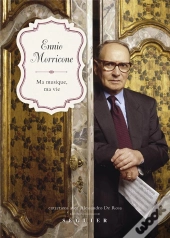
10%Ennio Morricone - Ma Musique, Ma VieSEGUIER10-201826,50€ 10% CARDfree shipping
-
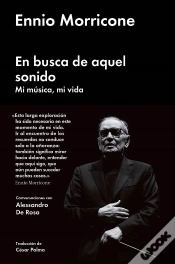
En Busca De Aquel SonidoMalpaso Ediciones SL05-201726,50€
-
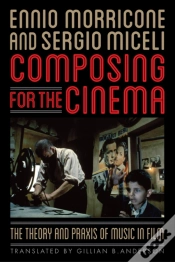
10%Composing For The CinemaScarecrow Press10-201381,10€ 10% CARDfree shipping
-
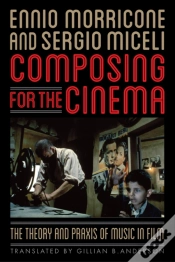
10%Composing For The CinemaScarecrow Press10-2013135,19€ 10% CARDfree shipping
-
imagem não disponívelEnnio Morricone For Guitar +Cd10%Ennio Morricone For Guitar +CdCARISCH MUSICOM04-201332,41€ 10% CARDfree shipping
-
imagem não disponívelThe Ecstasy Of Gold Concert Band/Harmonie10%The Ecstasy Of Gold Concert Band/HarmonieHASKE01-201135,30€ 10% CARDfree shipping
-
imagem não disponívelThe Ecstasy Of Gold Concert Band/Harmonie-Partition+Parties Separees10%The Ecstasy Of Gold Concert Band/Harmonie-Partition+Parties SepareesHASKE01-2011137,68€ 10% CARDfree shipping
-
imagem não disponívelEnnio Morricone10%Ennio MorriconeCARISCH MUSICOM04-200926,50€ 10% CARDfree shipping
-
imagem não disponívelImmobile 4 Clarinettes Et Cor Partition Musique D'Ensemble10%Immobile 4 Clarinettes Et Cor Partition Musique D'EnsembleSALABERT EDITION01-200213,24€ 10% CARD
-
imagem não disponívelOn Earth As It Is In Heaven10%On Earth As It Is In HeavenHAL LEONARD01-20005,17€ 10% CARD
-
imagem não disponívelDistanza, Pour Violon, Violoncelle Et Piano Musique D'Ensemble10%Distanza, Pour Violon, Violoncelle Et Piano Musique D'EnsembleSALABERT EDITION01-199634,08€ 10% CARDfree shipping
-
imagem não disponívelA Morricone Portrait Concert Band/Harmonie10%A Morricone Portrait Concert Band/HarmonieHASKE01-199542,37€ 10% CARDfree shipping

Discography
-
10%Forza G - VinilCinevox Record01-202657,46€ 10% CARDfree shipping
-
10%Colori - VinilQuartet Records01-202653,05€ 10% CARDfree shipping
-
10%Mussolini Ultimo Atto (Original Motion Picture Soundtrack) - VinilCinevox Record01-202661,13€ 10% CARDfree shipping
-
10%Tepepa (Original Soundtrack) - CDPentastar Music Verlag01-202637,97€ 10% CARDfree shipping
-
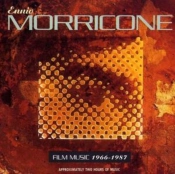
Film music 1966-1987 - CDTBC06-202510,62€
-
10%La Cuecagna (A Girl... And A Million) - CDRecording Arts SA01-202539,20€ 10% CARDfree shipping
-
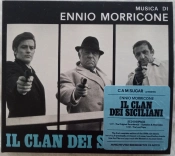
Il Clan Dei Siciliani - CDCAM Sugar01-202548,36€
-
10%L'Alibi (Original Motion Picture Soundtrack) - CDGDM01-202537,16€ 10% CARDfree shipping
-
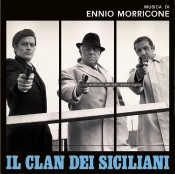
10%Il Clan Dei Siciliani - VinilCAM Sugar01-2025110,10€ 10% CARDfree shipping
-
10%Il Mio Nome E' Nessuno (Original Motion Picture Soundtrack) - CDBeat Records Company01-202543,70€ 10% CARDfree shipping
-
Ecce Homo (I Sopravvissuti) - Original Motion Picture Soundtrack - CDBeat Records Company01-202533,51€
-
The Ennio Morricone Desert TV Trilogy - VinilDigitmovies01-2025309,85€