Bob Marley & The Wailers
Bob Marley & The Wailers é uma das bandas mais icónicas e influentes da história da música, especialmente no género reggae. Liderada por Bob Marley, o grupo desempenhou um papel fundamental na popularização do reggae em todo o mundo, combinando mensagens de paz, amor e resistência com um som distintivo que ressoou profundamente com audiências globais.
The Wailers foi formado originalmente em 1963 na Jamaica, com Bob Marley, Peter Tosh e Bunny Wailer como membros fundadores. Inicialmente conhecido como The Wailing Wailers, o grupo começou com um estilo que misturava ska e rocksteady, dois dos predecessores do reggae. Nos primeiros anos, a banda lançou uma série de singles de sucesso na Jamaica, com canções como "Simmer Down" a ganharem popularidade local.
A transformação para Bob Marley & The Wailers começou quando o reggae se consolidou como um género distinto no final dos anos 1960 e início dos anos 1970. Durante esse período, a banda começou a trabalhar com o produtor Lee "Scratch" Perry, um dos pioneiros do reggae. Essa colaboração resultou em alguns dos primeiros sucessos internacionais do grupo, como "Soul Rebel" e "400 Years."
Em 1973, Bob Marley & The Wailers lançaram dois álbuns fundamentais que ajudaram a solidificar a sua fama mundial: Catch a Fire e Burnin'. Esses álbuns incluíram faixas clássicas como "Stir It Up," "Get Up, Stand Up," e "I Shot the Sheriff," esta última popularizada globalmente por uma versão cover de Eric Clapton. Foi durante esse período que a banda começou a fazer digressões internacionais, levando o reggae a audiências na Europa e nos Estados Unidos.
Após a saída de Peter Tosh e Bunny Wailer para seguir carreiras a solo, Bob Marley continuou a liderar o grupo, agora sob o nome Bob Marley & The Wailers, com a formação principal incluindo os músicos Aston "Family Man" Barrett (baixo) e Carlton Barrett (bateria), além do grupo vocal feminino I Threes, composto por Rita Marley, Judy Mowatt e Marcia Griffiths.
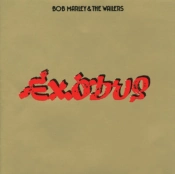
A década de 1970 viu o lançamento de álbuns clássicos como Natty Dread (1974), que incluía o hino "No Woman, No Cry," e Rastaman Vibration (1976), que alcançou grande sucesso nos Estados Unidos. O álbum Exodus (1977) é frequentemente considerado um dos melhores álbuns de todos os tempos, com faixas icónicas como "Exodus," "Jamming," "Waiting in Vain," e "One Love/People Get Ready."
Exodus marcou um ponto alto na carreira de Bob Marley & The Wailers, combinando sucesso comercial com mensagens profundas sobre justiça social, resistência à opressão e o poder do amor. A música de Marley também era profundamente influenciada pela sua fé no Rastafarianismo, uma religião que prega a unidade africana, o retorno a África como terra prometida e o culto ao imperador etíope Haile Selassie.
O álbum Kaya (1978) trouxe um tom mais suave e introspectivo, com canções como "Is This Love" e "Satisfy My Soul." Bob Marley continuou a usar a sua música como uma plataforma para mensagens de paz e unidade, incluindo durante o histórico concerto One Love Peace Concert na Jamaica em 1978, onde Marley uniu simbolicamente os líderes políticos rivais do país num gesto de paz.
Infelizmente, a saúde de Bob Marley começou a deteriorar-se no final da década de 1970, devido a um cancro que eventualmente o levaria à morte em 1981. Mesmo assim, ele continuou a gravar e a apresentar-se, lançando álbuns como Survival (1979) e Uprising (1980), que incluía "Redemption Song," uma das suas canções mais famosas e emocionantes.
Bob Marley faleceu a 11 de maio de 1981, aos 36 anos, mas o seu legado perdura. A música de Bob Marley & The Wailers continua a ser uma poderosa fonte de inspiração para milhões de pessoas em todo o mundo. O grupo não só popularizou o reggae como um género musical, mas também ajudou a espalhar mensagens de amor, resistência e liberdade que ressoam ainda hoje. A compilação póstuma Legend (1984) tornou-se um dos álbuns mais vendidos de todos os tempos, consolidando a influência duradoura de Bob Marley & The Wailers na história da música.
The Wailers foi formado originalmente em 1963 na Jamaica, com Bob Marley, Peter Tosh e Bunny Wailer como membros fundadores. Inicialmente conhecido como The Wailing Wailers, o grupo começou com um estilo que misturava ska e rocksteady, dois dos predecessores do reggae. Nos primeiros anos, a banda lançou uma série de singles de sucesso na Jamaica, com canções como "Simmer Down" a ganharem popularidade local.
A transformação para Bob Marley & The Wailers começou quando o reggae se consolidou como um género distinto no final dos anos 1960 e início dos anos 1970. Durante esse período, a banda começou a trabalhar com o produtor Lee "Scratch" Perry, um dos pioneiros do reggae. Essa colaboração resultou em alguns dos primeiros sucessos internacionais do grupo, como "Soul Rebel" e "400 Years."
Em 1973, Bob Marley & The Wailers lançaram dois álbuns fundamentais que ajudaram a solidificar a sua fama mundial: Catch a Fire e Burnin'. Esses álbuns incluíram faixas clássicas como "Stir It Up," "Get Up, Stand Up," e "I Shot the Sheriff," esta última popularizada globalmente por uma versão cover de Eric Clapton. Foi durante esse período que a banda começou a fazer digressões internacionais, levando o reggae a audiências na Europa e nos Estados Unidos.
Após a saída de Peter Tosh e Bunny Wailer para seguir carreiras a solo, Bob Marley continuou a liderar o grupo, agora sob o nome Bob Marley & The Wailers, com a formação principal incluindo os músicos Aston "Family Man" Barrett (baixo) e Carlton Barrett (bateria), além do grupo vocal feminino I Threes, composto por Rita Marley, Judy Mowatt e Marcia Griffiths.
A década de 1970 viu o lançamento de álbuns clássicos como Natty Dread (1974), que incluía o hino "No Woman, No Cry," e Rastaman Vibration (1976), que alcançou grande sucesso nos Estados Unidos. O álbum Exodus (1977) é frequentemente considerado um dos melhores álbuns de todos os tempos, com faixas icónicas como "Exodus," "Jamming," "Waiting in Vain," e "One Love/People Get Ready."
Exodus marcou um ponto alto na carreira de Bob Marley & The Wailers, combinando sucesso comercial com mensagens profundas sobre justiça social, resistência à opressão e o poder do amor. A música de Marley também era profundamente influenciada pela sua fé no Rastafarianismo, uma religião que prega a unidade africana, o retorno a África como terra prometida e o culto ao imperador etíope Haile Selassie.
O álbum Kaya (1978) trouxe um tom mais suave e introspectivo, com canções como "Is This Love" e "Satisfy My Soul." Bob Marley continuou a usar a sua música como uma plataforma para mensagens de paz e unidade, incluindo durante o histórico concerto One Love Peace Concert na Jamaica em 1978, onde Marley uniu simbolicamente os líderes políticos rivais do país num gesto de paz.
Infelizmente, a saúde de Bob Marley começou a deteriorar-se no final da década de 1970, devido a um cancro que eventualmente o levaria à morte em 1981. Mesmo assim, ele continuou a gravar e a apresentar-se, lançando álbuns como Survival (1979) e Uprising (1980), que incluía "Redemption Song," uma das suas canções mais famosas e emocionantes.
Bob Marley faleceu a 11 de maio de 1981, aos 36 anos, mas o seu legado perdura. A música de Bob Marley & The Wailers continua a ser uma poderosa fonte de inspiração para milhões de pessoas em todo o mundo. O grupo não só popularizou o reggae como um género musical, mas também ajudou a espalhar mensagens de amor, resistência e liberdade que ressoam ainda hoje. A compilação póstuma Legend (1984) tornou-se um dos álbuns mais vendidos de todos os tempos, consolidando a influência duradoura de Bob Marley & The Wailers na história da música.
Bibliography
-
Is This LoveChronicle Books11-202317,56€
-
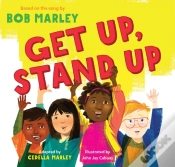
Get Up, Stand UpChronicle Books10-20229,45€
-
10%Every Little ThingChronicle Books04-20229,45€ 10% CARD
-
One LoveChronicle Books10-20219,45€
-
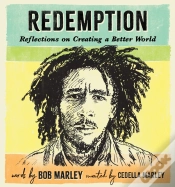
RedemptionQUIRK BOOKS09-202021,62€free shipping
-
Get Up, Stand UpChronicle Books09-201917,56€
-
10%Every Little ThingChronicle Books03-20159,45€ 10% CARD
-
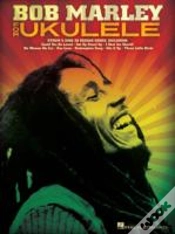
10%Bob Marley For UkuleleHal Leonard Corporation11-201422,97€ 10% CARDfree shipping
-
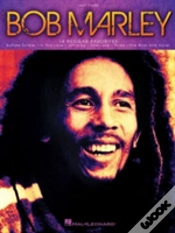
Bob Marley - Easy PianoHal Leonard Corporation08-201425,67€free shipping
-
Listen To Bob Marley: The Man, The MusicOpen Road Media07-201221,83€
-
Canciones I De Bob MarleyEditorial Fundamentos01-20057,64€
-
10%Canciones Ii De Bob MarleyEditorial Fundamentos01-20017,64€ 10% CARD






Discography
-
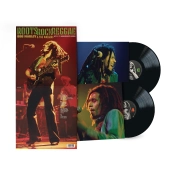
Pre-order10%Roots, Rock, Reggae: Live at the Hammersmith Odeon - CDUMR08-202634,99€ 10% CARDfree shipping
-
Pre-order10%Roots, Rock, Reggae: Live at the Hammersmith Odeon - VinilUMR08-202661,71€ 10% CARDfree shipping
-
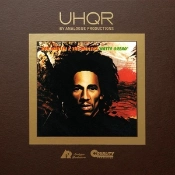
Pre-order10%Natty Dread - VinilAnalogue Productions07-2026304,30€ 10% CARDfree shipping
-
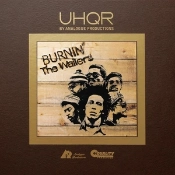
Pre-order10%Burnin' - VinilAnalogue Productions07-2026304,30€ 10% CARDfree shipping
-
10%Rastaman Vibration - VinilTuff Gong01-202689,26€ 10% CARDfree shipping
-
10%Kaya - VinilTuff Gong01-2026118,10€ 10% CARDfree shipping
-
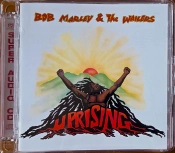
10%Uprising - CDAnalogue Productions01-202659,20€ 10% CARDfree shipping
-
10%Kaya - CDAnalogue Productions01-202659,20€ 10% CARDfree shipping
-
10%Uprising - VinilAnalogue Productions01-2026107,54€ 10% CARDfree shipping
-
10%Exodus - CDAnalogue Productions11-202559,20€ 10% CARDfree shipping
-
imagem não disponívelRastaman Vibration - CD10%Rastaman Vibration - CDAnalogue Productions11-202559,20€ 10% CARDfree shipping
-
10%The Bob Marley Songbook - VinilSolid Records11-2025137,44€ 10% CARDfree shipping