Alfonso X El Sabio
Alfonso X El Sabio (1221–1284), também conhecido como Alfonso X, o Sábio, foi o Rei de Leão e Castela entre 1252 e 1284. Ele é lembrado não apenas por sua habilidade como monarca, mas também como um grande patrono das artes, das ciências e da cultura. Nascido a 23 de novembro de 1221, em Toledo, Espanha, Alfonso X é uma figura central na história medieval da Espanha e é particularmente conhecido por sua contribuição para a preservação e a promoção do conhecimento e da cultura na Península Ibérica.
Alfonso X é frequentemente considerado um dos monarcas mais cultos da Idade Média. Ele incentivou a tradução de obras clássicas gregas e árabes para o latim e o castelhano, promovendo o conhecimento científico e filosófico. Durante o seu reinado, ele estabeleceu uma corte em Toledo, que se tornou um importante centro de aprendizado e de intercâmbio cultural entre os cristãos, muçulmanos e judeus. Esse período foi crucial para o desenvolvimento intelectual da Europa medieval e para a integração das tradições filosóficas e científicas de diversas culturas.
Além de ser um patrono das ciências, Alfonso X também teve um papel importante na música medieval. Ele foi responsável pela compilação e promoção de "Las Cantigas de Santa María", uma coleção de mil e duzentas cantigas (canções) dedicadas à Virgem Maria, que são algumas das mais importantes obras musicais da Idade Média. Estas cantigas, muitas vezes acompanhadas por instrumentos musicais e organizadas em verso e música, são uma fonte valiosa para o estudo da música medieval e revelam a interação entre a música religiosa e as tradições populares da época.
As Cantigas de Santa María foram compostas em galego-português, uma língua da região noroeste da Península Ibérica, e elas são notáveis pela sua simplicidade e pela beleza melódica. As cantigas abordam diversos temas, como milagres atribuídos à Virgem Maria e preces pela sua intercessão. Além disso, a sua música reflete a fusão das tradições cristãs, judaicas e muçulmanas que caracterizavam a sociedade da época.
Alfonso X também foi um importante legislador, com a criação das "Siete Partidas", um conjunto de leis que teve grande influência no direito medieval espanhol e em outras partes da Europa. Ele também promoveu a realização de um grande projeto literário e científico, com a tradução de obras de astronomia, matemática e filosofia que ajudaram a preservar o conhecimento antigo durante um período de intensas transformações sociais e políticas.
Apesar de suas realizações culturais e intelectuais, o reinado de Alfonso X não foi isento de desafios. Durante o seu governo, houve vários conflitos com a nobreza e disputas internas sobre a sucessão ao trono. No entanto, a sua contribuição para a cultura, a ciência e a música perdura até hoje, e ele é lembrado como uma figura chave na história da Espanha medieval, que ajudou a lançar as bases para o Renascimento e para o florescimento cultural subsequente.
Alfonso X El Sabio faleceu em 4 de abril de 1284, em Sevilha, deixando um legado duradouro não apenas como rei, mas também como intelectual, mecenas das artes e músico. Sua contribuição para o desenvolvimento cultural da Península Ibérica e para a preservação do conhecimento medieval é imensurável, e suas obras continuam a ser estudadas e admiradas até os dias de hoje.
Alfonso X é frequentemente considerado um dos monarcas mais cultos da Idade Média. Ele incentivou a tradução de obras clássicas gregas e árabes para o latim e o castelhano, promovendo o conhecimento científico e filosófico. Durante o seu reinado, ele estabeleceu uma corte em Toledo, que se tornou um importante centro de aprendizado e de intercâmbio cultural entre os cristãos, muçulmanos e judeus. Esse período foi crucial para o desenvolvimento intelectual da Europa medieval e para a integração das tradições filosóficas e científicas de diversas culturas.
Além de ser um patrono das ciências, Alfonso X também teve um papel importante na música medieval. Ele foi responsável pela compilação e promoção de "Las Cantigas de Santa María", uma coleção de mil e duzentas cantigas (canções) dedicadas à Virgem Maria, que são algumas das mais importantes obras musicais da Idade Média. Estas cantigas, muitas vezes acompanhadas por instrumentos musicais e organizadas em verso e música, são uma fonte valiosa para o estudo da música medieval e revelam a interação entre a música religiosa e as tradições populares da época.
As Cantigas de Santa María foram compostas em galego-português, uma língua da região noroeste da Península Ibérica, e elas são notáveis pela sua simplicidade e pela beleza melódica. As cantigas abordam diversos temas, como milagres atribuídos à Virgem Maria e preces pela sua intercessão. Além disso, a sua música reflete a fusão das tradições cristãs, judaicas e muçulmanas que caracterizavam a sociedade da época.
Alfonso X também foi um importante legislador, com a criação das "Siete Partidas", um conjunto de leis que teve grande influência no direito medieval espanhol e em outras partes da Europa. Ele também promoveu a realização de um grande projeto literário e científico, com a tradução de obras de astronomia, matemática e filosofia que ajudaram a preservar o conhecimento antigo durante um período de intensas transformações sociais e políticas.
Apesar de suas realizações culturais e intelectuais, o reinado de Alfonso X não foi isento de desafios. Durante o seu governo, houve vários conflitos com a nobreza e disputas internas sobre a sucessão ao trono. No entanto, a sua contribuição para a cultura, a ciência e a música perdura até hoje, e ele é lembrado como uma figura chave na história da Espanha medieval, que ajudou a lançar as bases para o Renascimento e para o florescimento cultural subsequente.
Alfonso X El Sabio faleceu em 4 de abril de 1284, em Sevilha, deixando um legado duradouro não apenas como rei, mas também como intelectual, mecenas das artes e músico. Sua contribuição para o desenvolvimento cultural da Península Ibérica e para a preservação do conhecimento medieval é imensurável, e suas obras continuam a ser estudadas e admiradas até os dias de hoje.
Bibliography
-
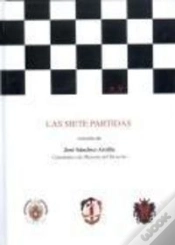
La Siete PartidasEditorial Verbum, S.L.11-202020,28€
-
imagem não disponívelGeneral Estoria10%General EstoriaFundación José Antonio de Castro11-2014764,42€ 10% CARDfree shipping
-
imagem não disponívelExodo, Levitico, Numeros Y Deuteronomio10%Exodo, Levitico, Numeros Y DeuteronomioFundación José Antonio de Castro12-2009101,92€ 10% CARDfree shipping
-
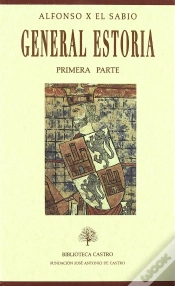
10%General Estoria. Primera ParteFundación José Antonio de Castro11-2009152,88€ 10% CARDfree shipping
-
10%Las Siete PartidasEditorial Reus S.A.12-200366,25€ 10% CARDfree shipping

Discography
-
10%Cantigas Of Alfonso X El Sabio - CDDiscovery Records Music02-202532,86€ 10% CARDfree shipping
-
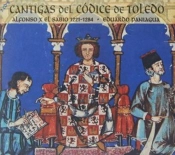
Alfonso X El Sabio: Cantigas Del Códice De Toledo - CDPneuma06-202222,75€
-
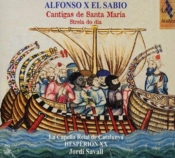
10%Alfonso X El Sabio: Cantigas De Santa Maria - CDCD Accord12-202127,13€ 10% CARDfree shipping
-
10%Alfonso X El Sabio: Cantigas Del Sur De Francia - CDPneuma04-202127,63€ 10% CARDfree shipping
-
10%Alfonso X El Sabio: Cantigas De Santa María - CDCapella de Ministrers04-202132,86€ 10% CARDfree shipping
-
10%Alfonso X El Sabio: Cantigas Del Norte De Francia - CDPneuma04-202026,93€ 10% CARDfree shipping
-
Alfonso X El Sabio: Cantigas De Santa Maria - CDAlia Vox09-201715,97€
-
Cantigas De Inglaterra - CDPneuma01-200714,39€
-
10%Cantigas De Santa Maria (Eno Nome De Maria) - CDAlpha Productions01-200332,86€ 10% CARDfree shipping
-
Cantigas De Francia - CDSony Classical01-199820,10€
-
Cantigas Of Jerez - CDSony Classical01-199810,05€
-
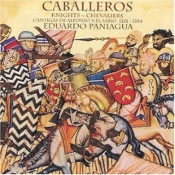
10%Caballeros - CDSony Classical01-199726,88€ 10% CARDfree shipping