Alessandro Scarlatti
Alessandro Scarlatti (1660–1725) foi um compositor e mestre da música barroca italiana, amplamente reconhecido por sua contribuição para o desenvolvimento da ópera e da música instrumental. Nascido a 2 de maio de 1660, em Palermo, Sicília, Scarlatti é especialmente lembrado por seu trabalho como compositor de óperas, cantatas e concertos, além de ser uma figura central na música barroca italiana.
Scarlatti começou a sua formação musical em um ambiente profundamente influenciado pela tradição musical italiana, e ele rapidamente se estabeleceu como uma figura proeminente na cena musical de Roma e Nápoles. Sua carreira foi marcada por uma produção prolífica, sendo ele um dos primeiros compositores a se dedicar plenamente à forma da ópera italiana, e desempenhando um papel fundamental na evolução deste gênero.
A maior parte do trabalho de Scarlatti foi na área da ópera, tendo composto mais de 40 óperas ao longo da sua vida. Entre as mais notáveis estão Griselda (1721), La virtù trionfante (1706), e Il Pompeo (1710). Essas obras foram inovadoras para a época, com uma escrita vocal dramática e uma orquestração que tornava os seus trabalhos distintos dentro do desenvolvimento da ópera barroca. Em particular, ele é reconhecido por ajudar a transformar a ópera italiana, promovendo um estilo mais expressivo e emocional no tratamento das árias.
Além de óperas, Scarlatti também compôs uma grande quantidade de música sacra, incluindo messes, salmos, e cantatas religiosas. Sua obra sacra foi altamente inovadora, combinando técnicas de contraponto com uma harmonia mais suave e melódica. Um dos exemplos mais notáveis da sua música sacra é Stabat Mater (1707), uma obra que é até hoje reverenciada e frequentemente interpretada nas liturgias religiosas e concertos de música clássica.
Embora seja mais conhecido pelo seu trabalho em óperas e música sacra, Scarlatti também teve uma grande influência na música instrumental. Ele compôs sonatas e concertos, particularmente para instrumentos de corda e teclado, sendo ele um dos primeiros compositores a escrever uma série de sonatas para cravo, muitas das quais se destacam pela inventividade e pela habilidade técnica, antecipando o estilo clássico que seria mais tarde popularizado por compositores como Joseph Haydn e Wolfgang Amadeus Mozart.
A sua música ficou em grande parte esquecida após a sua morte, mas hoje ele é amplamente reconhecido como um dos maiores compositores da sua época. Alessandro Scarlatti deixou uma marca indelével na música barroca italiana, sendo uma figura chave na transição do estilo barroco para o clássico. Sua obra ajudou a moldar o desenvolvimento da música de ópera e da música instrumental, influenciando gerações de compositores que viriam depois dele.
Scarlatti começou a sua formação musical em um ambiente profundamente influenciado pela tradição musical italiana, e ele rapidamente se estabeleceu como uma figura proeminente na cena musical de Roma e Nápoles. Sua carreira foi marcada por uma produção prolífica, sendo ele um dos primeiros compositores a se dedicar plenamente à forma da ópera italiana, e desempenhando um papel fundamental na evolução deste gênero.
A maior parte do trabalho de Scarlatti foi na área da ópera, tendo composto mais de 40 óperas ao longo da sua vida. Entre as mais notáveis estão Griselda (1721), La virtù trionfante (1706), e Il Pompeo (1710). Essas obras foram inovadoras para a época, com uma escrita vocal dramática e uma orquestração que tornava os seus trabalhos distintos dentro do desenvolvimento da ópera barroca. Em particular, ele é reconhecido por ajudar a transformar a ópera italiana, promovendo um estilo mais expressivo e emocional no tratamento das árias.
Além de óperas, Scarlatti também compôs uma grande quantidade de música sacra, incluindo messes, salmos, e cantatas religiosas. Sua obra sacra foi altamente inovadora, combinando técnicas de contraponto com uma harmonia mais suave e melódica. Um dos exemplos mais notáveis da sua música sacra é Stabat Mater (1707), uma obra que é até hoje reverenciada e frequentemente interpretada nas liturgias religiosas e concertos de música clássica.
Embora seja mais conhecido pelo seu trabalho em óperas e música sacra, Scarlatti também teve uma grande influência na música instrumental. Ele compôs sonatas e concertos, particularmente para instrumentos de corda e teclado, sendo ele um dos primeiros compositores a escrever uma série de sonatas para cravo, muitas das quais se destacam pela inventividade e pela habilidade técnica, antecipando o estilo clássico que seria mais tarde popularizado por compositores como Joseph Haydn e Wolfgang Amadeus Mozart.
A sua música ficou em grande parte esquecida após a sua morte, mas hoje ele é amplamente reconhecido como um dos maiores compositores da sua época. Alessandro Scarlatti deixou uma marca indelével na música barroca italiana, sendo uma figura chave na transição do estilo barroco para o clássico. Sua obra ajudou a moldar o desenvolvimento da música de ópera e da música instrumental, influenciando gerações de compositores que viriam depois dele.
Bibliography
-
imagem não disponívelSolfèges D'Italie Avec La Basse Chiffrée, Composés Par Léo, Durante, Scarlatti, Hasse, Porpora : Mazzoni, Bernacchi, David Perez, Dédiés À Les Premiers Gentilshommes De La Chambre Du Roi10%Solfèges D'Italie Avec La Basse Chiffrée, Composés Par Léo, Durante, Scarlatti, Hasse, Porpora : Mazzoni, Bernacchi, David Perez, Dédiés À Les Premiers Gentilshommes De La Chambre Du RoiHACHETTE BNF02-202128,71€ 10% CARDfree shipping
-
imagem não disponívelO Cessate Di Piagarmi, Pour Chant Et Guitare10%O Cessate Di Piagarmi, Pour Chant Et GuitareMAX ESCHIG01-200113,24€ 10% CARD
-
imagem não disponívelCor Mio10%Cor MioPETERS01-20006,26€ 10% CARD
-
imagem não disponívelOr Che Da Te Chant10%Or Che Da Te ChantPETERS01-20006,71€ 10% CARD
-
imagem não disponívelMori Mi Dici10%Mori Mi DiciPETERS01-20006,71€ 10% CARD
-
imagem não disponívelArsi Un Tempo10%Arsi Un TempoPETERS01-20006,71€ 10% CARD
-
imagem não disponívelO Moret10%O MoretPETERS01-20007,30€ 10% CARD
-
imagem não disponívelO Selce10%O SelcePETERS01-20007,30€ 10% CARD
-
imagem não disponívelSdegno La Fiamma Estins10%Sdegno La Fiamma EstinsPETERS01-20007,30€ 10% CARD
-
imagem não disponívelIntenerite Voi10%Intenerite VoiPETERS01-20007,30€ 10% CARD
-
imagem não disponível8 Madrigals10%8 MadrigalsPETERS01-200035,50€ 10% CARDfree shipping
-
imagem não disponívelSinfonias: Sinfonia No. 11 In C10%Sinfonias: Sinfonia No. 11 In CPETERS01-20005,96€ 10% CARD
Discography
-
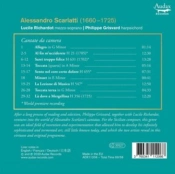
10%A. Scarlatti: Cantate Da Camera - CDAudax02-202324,21€ 10% CARDfree shipping
-
10%Baroque Influencer - CDDeutsche Harmonia Mundi01-202316,32€ 10% CARDfree shipping
-
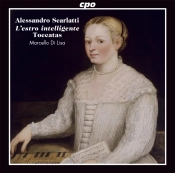
10%Alessandro Scarlatti: L'estro Intelligence/Toccatas - CDCPO03-202218,63€ 10% CARDfree shipping
-
10%Alessandro Scarlatti: Opera Omnia Per Tastiera - CDTactus07-202138,25€ 10% CARDfree shipping
-
10%Alessandro Scarlatti: Magnificat/Herbert Howells: Requiem - CDLEONARDO06-202118,26€ 10% CARDfree shipping
-
Alessandro Scarlatti: Il Martirio Di Santa Teodosia - CDAPARTE07-202028,50€
-
10%A. Scarlatti: Ardo È Ver - CDStradivarius06-202024,86€ 10% CARDfree shipping
-
10%A. Scarlatti/F.M. Benedetti: Gaude Flore - CDStradivarius06-202024,86€ 10% CARDfree shipping
-
Good Friday - Responsories Of The Holy Week - CDDeutsche Harmonia Mundi01-202016,27€
-
10%Alessandro Scarlatti: Cantatas & Recorder Concertos - CDBrilliant Classics09-201922,56€ 10% CARDfree shipping
-
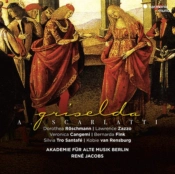
10%A. Scarlatti: Griselda - CDHARMONIA MUNDI07-201931,21€ 10% CARDfree shipping
-
10%Alessandro Scarlatti: Quella Pace Gradita - CDGlossa04-201933,23€ 10% CARDfree shipping