
adicionar à lista de desejos
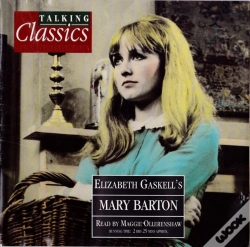
Mary Barton Audiobook
language: english
Publisher:
The Copyright Group, June of 2013 ‧
see product details
8,60€
10% OFF
CARD
ZG5scWVWZFhVMlZuVEZKaE1EVnRUekZEVDBoTFFsWmthVTExUjNjeGMweHBlV2N2Y0VjME5GWnZiREkwYzAxc1pFRkVXbWR5TW5CWmFVbzNZamxqT0dSeVNYRnFVVlZ4Y2tSVlFqVjVPWFpFT1ZOaFMzZGtaVGxhZEM5QlJYUldkbHBpV210NU1tMXJiWFpYWm5aNFVqSmFZemRRYVhsR1UxUkphbWM1UzNOSWQwcDBTMDVuV21Fd1R5dEVkVFp6TlZWa1RuaEVhREF4T1UxUlEyTkpORGg0Y0ZOdVRsQllURmhvYTJoUFZHdEdUM2h6Y2pKeU9YcHlTa3gzYzJsS1lUQXpTM0p2Tm1OMU9HNUZiRzAyYVVGcldEWkZNek55TjBORU9XNVNSM0EyVDFOcVZ6Qk9OazR4YzFGWVNHZ3JaR1ZtVGtobmJqRnlXRlV5WVZKV2FqSkxRemt5WjB0b05qQmhaSHBHUWpWM1JrZFdLMU53VEdKelpqTmhVV05FUVVkQ2NraEVURWd5WjNCSVdreEpVR0ZGVUZBMGExTkxjVVI0VWxCa1ZHZDVkbkZNU3pGSlZGSnFWbmgxVjJweVVsVk9WVzQyZEU1MlZUaG9iMjVPV2t0NE1uRndVbVpQTVV0NVZ6bDRkRUZOUkZWRWNVTlRORGhhU0hBelRWWXpUMGxWT0U5dmFFZzRkMkZNVjIxUllUVjZNMk16YVRKSFMycGlXakpCUlhjemJGQkJNMnhCZFVKd1VIUXhha1Y1Ukc1dlJFZDNVbFoxTVhWdVFUTXpUa0l6ZFZGR2QzTjRSVGcwVmtSVVFWTmtaVVZyVDNSRU0yTlJTMlZSZUhJNGJDOHhSR1pYT1hwQ2FIWTVOMnBSZURZck5sYzBWVmQ1TTFKWGNURjJXRFlyVkVVNFpYTkpXakJDYURkc1NXOWlVWGhsUW1SclZqUnBUazEwVEZnd05UaHVOa2QyVjBJM1RrUnhLMG93Y25Ca1RXOTRhVU0zVlZVeVpVZEJWbEpNVW01Q1FsaFplRXAzTldKdlNtZzRMMVYxT0dSVFVUQlNXa1pUWm01cFdFbG9TVU5NTUZFelpFNTVRVzFYYlVoS1dFUnhOVUYxTDNVeGFFWTJZMk12UmsxcWEyRlRWeTlKVVV3eWRWWjZlRFpPUWl0VFNrczVVV1ZvVkVKWWMxbDBjSEJVUXpCaFlUWXdLMWMyUzFaVlQzcHpUVGx5UzBJeVJFeGlTRTFJTDNCdlpXVXlhVGhxUVdsbmFtdDZjME40YTFoUWMwZE9MM00zWnl0SFFtaFFSWGg1V0VreVRVcDFjRTV6UFE9PTpIQmFpaG9yR3lmeWNDb1pYWmxoWXlRPT0=
IMMEDIATE AVAILABILITY
Audiobook for WOOK READER
SYNOPSIS
There are stark differences between rich and poor in the Manchester of Elizabeth Gaskell's novel, Mary Barton. Factory owners such as Mr Carson, do not understand the anger of their poverty stricken workers, and care little for their welfare. For the mill-workers, employment means food on the table and being one step away from starvation, but trying to gain any political power means risking a loss of livelihood. The author does not depict the owners as intrinsically wicked, but shows through her writing that it is characters like The Barton's who deserve the reader's sympathy. By the end of the novel, Mrs Gaskell proves that the rich need not be heartless.
DETAILS
| Property | Description |
|---|---|
| ISBN: | 9781780001036 |
| Publisher: | The Copyright Group |
| Release Date: | June of 2013 |
| Language: | English |
| Format: | Audiobook |
| File Size | B |
| File Format and Compatibility: | |
| Categories: |
eBooks in English
>
Others
|
| EAN: | 9781780001036 |
ABOUT THE AUTHOR
BY THE AUTHOR
-
Maldição10%Book Cover Editora4,98€ 10% CARD
-
Ruth10%PENGUIN BOOKS LTD13,51€ 10% CARD