
adicionar à lista de desejos
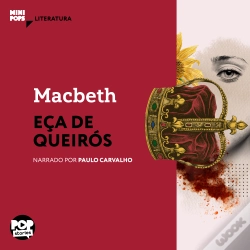
Macbeth Audiobook
Literatura
language: brazilian portuguese
Publisher:
Pop Stories, October of 2022 ‧
see product details
2,99€
10% OFF
CARD
TkhGSWVYcFFXV3N5TWsxd1IwZzNRM2xrTlZoTFMyVnNTVGRUYkZGRGEwdzFja2x0ZEU5TlExRXlRMFpHYW1nNFZscFBlSGNyV1V4MGFUSjJMMjQwYTBScFpsWkxiemxWYVVWNFowZ3dOamw1TTBsUVlTOHJhbFZ5VFdodFUyOUhZMUZHZG5VeVZYWllObU13WkROTWQxVlpOWGM1WkZWNGFVODFPRVpJTjNNMmVWRmhXQzlWYmtVMFJHVTJlamh0UjBKcEwyMUxkVWw1VGtFd1pUaHVRV3BpZHpsV2JuTXdjVTVaYlhJeFlraDBhVTlIWlVzM05IQnljM2xEVkRaNVZUbFBZVm80ZDBWU1RTdGFaRUp3UW1OelJqZE9NMVV3YW5CSU9UUTFTbVlyVVRJd2JqZHZOaXRXZDFsQ1pEQTVPVVkxVUZaSVIxVjNkMDEwYmxwSFdWRmllbEp3UWpGTFZIZ3hXalZUWWxCc01HaDZkR1JqVDJkU1VIVldNekZpVXpsT2NUZE1ieTlQVFU1eGJIWXlaa0VyZG14RGVIUnFkWEpDU1RoSVFubHFOakpGU0ZoelRFSm1TMjV0Y21vMmMxSnJaVlJ5WWtKblpITlVVazkxZEcxblJVRTRTSEZPU204eUt5OU1OakJHT1U1dGFrVkxNREIzWjJsaFVGWlpOMlkwZGxadWNuSXlRa0ZrUkc5blIycHpSREkyY2pCdGRHbFVRbFo2YjBORWNXNTFjVXRYWW04NGFWRkZRMVJPU25GSmFrbHFTMEoxYUVWMVoyUjBMMVk0UlZCaU9XSmpUemhzTjA1T05sRkZXRzB2VWswek4xSjFNbHA2VldsRFNYZzVTVVJoUjJKdVkwbGhaRzlKU2tGeVRHeHljMGRRUTBWclRtaDRiV2RrVG1oNGFXSlJOV2RsTUdNeVYxRlBVbmhrZEZSQlIwd3lVR0p6Ym5kdlZWQnhOak5yZEhaR2IxVlZjMU0zVnpCSlNHeFFhbHByYUc0MWVHRm5kVEY2TTA1UmJXVllSazUyWlZOdmNWQlFlbXhvTXpOb1RHMHlTRWhDU1hNeVVIVk9RbGhVWWtkMWVVMVFabnBaUlhCWVdGWlRRbkpvWTFrMVRsUkxja3RMY0c0emJVWnJNR3c1Wm14VFJITmtTbXRVWlRZMmMzWnRVRE5IVmtwa1JVZDNkRXhzU0dGc2RGRldRVTFxZVdKQlZuZzNTWE0wWjBaVFozTkpZbkpVUjJRNGMwMW1iR2t3V2tGSlluRmFlbGRqV1ZneVVsQlZRbFJsVFhBdmNIZHBabmRNUzBSNVpYa3ZiMVZSUFE9PTpOWTRPdDJnTUhvRFg3a0xCMHFWYUFBPT0=
IMMEDIATE AVAILABILITY
Audiobook with wookreader protection
SYNOPSIS
Em "Macbeth", incluído em "Prosas bárbaras", Eça de Queirós parte do poema musical de Verdi inspirado na peça de Shakespeare para avançar por um universo dominado pela fatalidade. A narrativa se concentra na trajetória trágica de Macbeth, marcada por impulsos sombrios e pela atração crescente pelo mal.
Ao longo do relato, surgem imagens ligadas à ambição, à culpa e à perda de controle. As ações dos personagens se desenvolvem sob o peso de forças invisíveis, criando um ambiente em que o desejo de poder conduz a escolhas irreversíveis e à progressiva dissolução da consciência.
A narrativa avança nesse registro denso e inquietante, acompanhando a queda dos personagens em um cenário onde condenação e desejo caminham juntos. O destino se impõe como força central, conduzindo a história por um percurso inevitável e sombrio.
DETeBook com proteção para wookreaderILS
| Property | Description |
|---|---|
| ISBN: | 9786554112017 |
| Publisher: | Pop Stories |
| Release Date: | October of 2022 |
| Language: | Brazilian Portuguese |
| Format: | Audiobook |
| Length: | 23 minutes |
| File Size | 14.65 MB |
| File Format and Compatibility: | |
| Categories: |
Audiobooks in Portuguese
>
Fiction
>
Romance
|
| EAN: | 9786554112017 |
ABOUT THE AUTHOR
Eça de Queiroz
Eça de Queiroz nasceu a 25 de novembro de 1845 na Póvoa de Varzim e é considerado um dos maiores romancistas de toda a literatura portuguesa, o primeiro e principal escritor realista português, renovador profundo e perspicaz da nossa prosa literária.
Entrou para o Curso de Direito em 1861, em Coimbra, onde conviveu com muitos dos futuros representantes da Geração de 70. Terminado o curso, fundou o jornal Distrito de Évora, em 1866, órgão no qual iniciou a sua experiência jornalística. Em 1871, proferiu a conferência «O Realismo como nova expressão da Arte», integrada nas Conferências do Casino Lisbonense e produto da evolução estética que o encaminha no sentido do Realismo-Naturalismo de Flaubert e Zola. No mesmo ano iniciou, com Ramalho Ortigão, a publicação de As Farpas, crónicas satíricas de inquérito à vida portuguesa.
Em 1872 iniciou a sua carreira diplomática, ao longo da qual ocupou o cargo de cônsul em Havana, Newcastle, Bristol e Paris. Foi, pois, com o distanciamento crítico que a experiência de vida no estrangeiro lhe permitiu que concebeu a maior parte da sua obra romanesca, consagrada à crítica da vida social portuguesa e de onde se destacam O Primo Bazilio, O Crime do Padre Amaro, A Relíquia e Os Maias, este último considerado a sua obra-prima. Morreu a 16 de agosto de 1900, em Paris.
BY THE AUTHOR
-
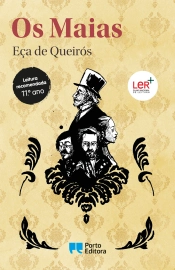
20%Os MaiasPorto Editora8,88€
11,10€ -
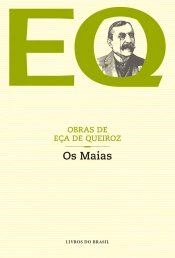
20%Os MaiasLivros do Brasil9,76€
12,20€