

adicionar à lista de desejos
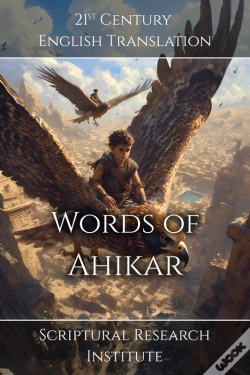
Words Of Ahikar eBook
idioma: inglês
Editor:
Digital Ink Productions, junho de 2025 ‧
ver detalhes do produto
4,49€
10% DESCONTO
IMEDIATO
VG5SbVdTczFiVTkxVTIxTEswZFFZWFJLVWtFNWVFeFdaUzh3ZUVVekwySTNOa3RZWlZVM1kwbHpORVo2VkdKQ1prcFVhblZZYWxCV1RISmtkM2xsVDBwSVJHcEpkRUYyZEdaWFkzTm9ibGxQY2psRVRqUlRjSFJDUjB4emVXNXdWV2xoSzFZelJFdFlkblU1VUV0NU9XOUJkMlpFWVhRMFVtdzJWSFo2UzJJMFZGUlBlRFZCYUdsQ0wyMVRPVEF3UkdoNFQzQkhaM3BDTkdOQlJXOVZjbmxPVkVacGNXcHlPRmhSTDFwRU5rRTFRVFZJZFhodU1VSnNTa1pFY3paalpGZHZWalJrUTFsdVJXMUNWRWRzWmxSTE1qbENXalp1UzBSbmVGUXdRbG96WlRsU1UxQkxLemR1VkhWMlZXZHlUMlpLYldjd1kydHRSMFk1VmtVM1ZWRTJNblZXYkU5WWVrRXdaVlJUTkUxVGNuazVaMU5hYUN0cGJsSjFlbnBYUzNBMGVUUm9TbmhZZFhGcmN6WkJhRzV0Y0hWM2FqbDVXa3R5ZGpKVmNUZ3pSRmcxZFdaSmVFVjJZMm8zZWt3d2NsQnVXRFE0T0RCYU1tWkZUakUyTTBadFZWTmtiSEZFVjNoNVVqbExSMUJQVVhOckwzaE1ZbXBTUmpaUmMwOXNNV3htZDFsalF6QklaRVpTTDBoV1pVMHlSVUV2VDI1MFNpOTVVbEp1ZFZKTWJsbHhWelpKWVUxVFZFMHJSblJqUjBGaFVXOTJURWg0WWpGNFdtRm9hM1lyTUVGVFdYUlJjbkZST1VGM2JsSXJUM3BGY1RsUlltcExjRTlZTTAxVmIxZHNUVGRSYmsweFNXcHllRVp2UmpCMGJYRmFSMEZaZERKWU1VcDBORXg2VTFCNE9IY3labmR1VmxrME5tMWlUM2hyVDFWR01FUkpPUzh4VFdad00zZEZSbWR1ZGpsbVZEaFhUM0I2TkhSclFtTlFZMk00Y25Wb1NXZzVUVmd3VXpnd01qQm9OME5FTkdJd1dtaGhiMGg2U0RFelp6MDk6eWJnTGNOZ2prVDluRnNFSUR3SE02QT09
DISPONIBILIDADE IMEDIATA
Ebook para wook reader
SINOPSE
The Words of Ahikar is the oldest surviving Israelite story, with known copies in Aramaic dating back to the 5th-century BC. As it has been translated into many languages over the past two and a half millennia, it now has several names and translations, including the Words of Ahiqar, the Story of Ahikar, and various variations of the name, including Achiacharos, from the Greek translation, yqr from the Aramaic translation, Akyrios from the Old Slavonic translation, ayqr from the Arabic translation, and Xikar from the Armenian translation. This translation uses the most common English variation of Ahikar, which is based on a transliteration of the oldest surviving Aramaic version of the name. The oldest fragments of this book found to date, were discovered in Elephantine, Egypt, and date to the 5th century BC, making it a couple of centuries older than the oldest of the Dead Sea Scrolls.
While the story is set during the Assyrian Captivity of the Samaritans during the 7th century BC, it is generally accepted by scholars that the book was written in its current form in the 6th century BC, during the Babylonian Captivity of the Judahites. The primary reason for this dating is the repeated referenced to Bôl, which is generally accepted as a reference to the Neo-Babylonian god of the 6th century BC named Belu, more commonly called Bel in English based on his appearance in the Septuagints Book of Daniel, where he was called Bel. This book also repeatedly refers to the Highest God, El Elyon, the ancient Canaanite and Israelite god from the Torah, however, does not mention Iaw, and therefore does not appear to have been written by a Judahite. As Tobit claimed to be Ahikars uncle, and a Naphtalite captive in Assyria, this indicates that Ahikar was viewed as being a Samaritan, and not a Judahite at the time that Tobit was written.
While Bôl was the Aramaic translation of Belu, it was also the Aramaic translation of the Canaanite term Bôl, more commonly spelled as Baal in English based on the Hebrew spelling of ba'al, meaning lord, or husband. This means that if the text was written by a Samaritan during the Neo-Assyrian era, the term would have been a common Canaanite word used in Samaria for the Lord, or at least a Lord. According to all historical evidence, and the written evidence in the Septuagint and Masoretic Text, the Israelites at the time were using the term Baal to refer to several gods, including the god worshiped at the temples in Jerusalem and Samaria. Nevertheless, by the era of the oldest surviving fragments of Ahikar, the term does appear to have been interpreted as a reference to the Neo-Babylonian Bel, likely because the Israelites had stopped referring to their gods as Baal by that era.
While the story is set during the Assyrian Captivity of the Samaritans during the 7th century BC, it is generally accepted by scholars that the book was written in its current form in the 6th century BC, during the Babylonian Captivity of the Judahites. The primary reason for this dating is the repeated referenced to Bôl, which is generally accepted as a reference to the Neo-Babylonian god of the 6th century BC named Belu, more commonly called Bel in English based on his appearance in the Septuagints Book of Daniel, where he was called Bel. This book also repeatedly refers to the Highest God, El Elyon, the ancient Canaanite and Israelite god from the Torah, however, does not mention Iaw, and therefore does not appear to have been written by a Judahite. As Tobit claimed to be Ahikars uncle, and a Naphtalite captive in Assyria, this indicates that Ahikar was viewed as being a Samaritan, and not a Judahite at the time that Tobit was written.
While Bôl was the Aramaic translation of Belu, it was also the Aramaic translation of the Canaanite term Bôl, more commonly spelled as Baal in English based on the Hebrew spelling of ba'al, meaning lord, or husband. This means that if the text was written by a Samaritan during the Neo-Assyrian era, the term would have been a common Canaanite word used in Samaria for the Lord, or at least a Lord. According to all historical evidence, and the written evidence in the Septuagint and Masoretic Text, the Israelites at the time were using the term Baal to refer to several gods, including the god worshiped at the temples in Jerusalem and Samaria. Nevertheless, by the era of the oldest surviving fragments of Ahikar, the term does appear to have been interpreted as a reference to the Neo-Babylonian Bel, likely because the Israelites had stopped referring to their gods as Baal by that era.
DETALHES
| Propriedade | Descrição |
|---|---|
| ISBN: | 9781989852002 |
| Editor: | Digital Ink Productions |
| Data de Lançamento: | junho de 2025 |
| Idioma: | Inglês |
| Páginas: | 116 |
| Tipo de produto: | eBook |
| Formato e Compatibilidade: | |
| Classificação Temática: |
eBooks em Inglês
>
História
>
História da Ásia
|
| EAN: | 9781989852002 |
| Acessibilidade: | Ver características de acessibilidade indicadas pelo editor |
-
Apocalypses Of Ezra CollectionDigital Ink Productions16,21€portes grátis
-
Septuagint'S Esther And The Vetus Latina EstherDigital Ink Productions19,30€