adicionar à lista de desejos

Translating The Nonhuman eBook
What Science Fiction Can Teach Us About Translating
Livro
eBook
idioma: inglês
Editor:
Bloomsbury Publishing (USA), outubro de 2024 ‧
ver detalhes do produto
80,50€
10% DESCONTO
IMEDIATO
YjBWbGJWZExWM1Z2VWtkRE1GcHBUWEpZVVRVM2VUUmtlbXRMUlhCTWRWVlNVekZ1U0ZSaVJqWXJSU3RLZEhaT1ZISjBlWFZoZDJvNFMzWjBSazVHTDFCb1JEZ3ZWMlpOYTB4UWVqZDJUa2hEUlVoRlFUaDBXREZFVGpSNWJXaEJRbEZNVkhodkwzVnFkbkJoVVRCdVYwY3diMEpVVHpsMWRta3JTR2gyY3pOTUx6VnZkVTEyVmtvM05WaEZiV0ZPY0VKNWJDdEphbW81SzBSa2FWSlJXbFIwSzJKNGJreEhaVWQzUldGR1YwNDJlR2wxYmtzNE4zZHlTbVZLY0VwTVlqWXpjRE5zZUZGMmVYcG5UVkp5YlV0WGVWUTJNVGhGTUZCTFNYQkpibVpFYzJONldrZE5ZMjl2Um0wcmJXNVdaMDFJWmxkWU0yNXpVREZ1Y1ZGVmJWWjFVVTFyVWxnM0wxQlpaRFJYWVdoeFFsWjZSbUp2U2xSMlVVWlFUMFIzYjBSM1MzWlZSQzlCVFdaWVVraDVVM0l5ZUUwMmVqTTBPWGhHTTFWb1VVTlFhSFZYVEU1cmR6QnJWV2Q1VUhSQ2VFcERWazEzV1V3NWJXVnFPVVpZUVZoRGMwZHVVbmgzVFhWaVowZEhWMlk1YTBSRldtZFhRMWMwTlZsVFJEbENSMjVFUzBaV1JIazFUeTlXV1RRME0wWXZSR1pvZFVJd1dqWTJNMVpOTTJKUVRrVXJTMlYyY1RaYU1VZHpNamhSVkN0V04zYzJXWG95UVRKSVJXNVJaRTVHVVZGbVRGcHhOWE0yU0haRFJtaHZjM00xUnpWUWNEaFVkMmt6VTBZMVJub3lWbWxwVGxvd2FpdGhiakZJZFVSV2IweG1RbVZuTms5R2VXVlNXRlpGVW1OelltaGhaRlY2YjFrNE5GZGtSVkJhVW1ZdmNtaFZPRTVqVGtaMVRtMDNZMk01YUVWNFdrb3ZWMHQxVWxGRlNsVlpRVWg2ZVd4WGVFWmlaMVI0OlZ5Sld4d1A3QmhvdzBSSHQya2VwaEE9PQ==
DISPONIBILIDADE IMEDIATA
Ebook para ADE
SINOPSE
Extends the field of translation studies and theory by examining three radical science-fiction treatments of translation.
The so-called "fictional turn" in translation studies has staked out territory previously unclaimed by translation scholars - territory in which translators are portrayed as full human beings in their social environments - but so far no one has looked to science fiction for truly radical explorations of translation. Translating the Nonhuman fills that gap, exploring speculative attempts to cross the yawning chasm between human and nonhuman languages and cultures.
The book consists of three essays, each bringing a different theoretical orientation to bear on a different science-fiction work. The first studies Samuel R. Delany''s 1966 novel, Babel-17, using Peircean semiotics; the second studies Suzette Haden Elgin''s 1984 novel, Native Tongue, using Austinian performativity and Eve Sedwick''s periperformative corrective; and the third studies Ted Chiang''s 1998 novella, "Story of Your Life," and its 2016 screen adaptation, Arrival, using sustainability theory. Themes include the 1950s clash between Whorfian untranslatability and the possibility of unbounded (machine) translatability; the performative ability of a language to change reality and the reliance of that ability on the periperformativity of "witnesses"; and alienation from the familiar in space and time and its transformative effect on the biological and cultural sustainability of human life on earth.
Through these close readings and varied theoretical approaches, Translating the Nonhuman provides a tentative mapping of science fiction''s usefulness for the study of human-(non)human translation, with translators and interpreters acting as explorers of new ways to communicate.
The so-called "fictional turn" in translation studies has staked out territory previously unclaimed by translation scholars - territory in which translators are portrayed as full human beings in their social environments - but so far no one has looked to science fiction for truly radical explorations of translation. Translating the Nonhuman fills that gap, exploring speculative attempts to cross the yawning chasm between human and nonhuman languages and cultures.
The book consists of three essays, each bringing a different theoretical orientation to bear on a different science-fiction work. The first studies Samuel R. Delany''s 1966 novel, Babel-17, using Peircean semiotics; the second studies Suzette Haden Elgin''s 1984 novel, Native Tongue, using Austinian performativity and Eve Sedwick''s periperformative corrective; and the third studies Ted Chiang''s 1998 novella, "Story of Your Life," and its 2016 screen adaptation, Arrival, using sustainability theory. Themes include the 1950s clash between Whorfian untranslatability and the possibility of unbounded (machine) translatability; the performative ability of a language to change reality and the reliance of that ability on the periperformativity of "witnesses"; and alienation from the familiar in space and time and its transformative effect on the biological and cultural sustainability of human life on earth.
Through these close readings and varied theoretical approaches, Translating the Nonhuman provides a tentative mapping of science fiction''s usefulness for the study of human-(non)human translation, with translators and interpreters acting as explorers of new ways to communicate.
DETALHES
| Propriedade | Descrição |
|---|---|
| ISBN: | 9798765112823 |
| Editor: | Bloomsbury Publishing (USA) |
| Data de Lançamento: | outubro de 2024 |
| Idioma: | Inglês |
| Páginas: | 176 |
| Tipo de produto: | eBook |
| Classificação Temática: |
eBooks em Inglês
>
Literatura
>
Linguística e Filologia
|
| EAN: | 9798765112823 |
-
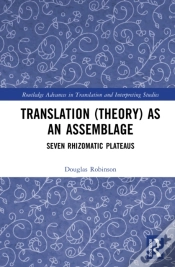
10%Translation (Theory) As An AssemblageTAYLOR & FRANCIS LTD209,26€
232,51€portes grátis -
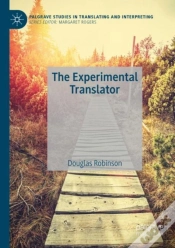
10%The Experimental TranslatorSpringer International Publishing AG121,66€
135,18€portes grátis