


adicionar à lista de desejos
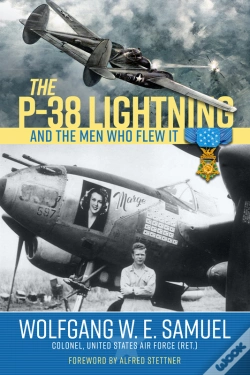
The P-38 Lightning And The Men Who Flew It eBook
Livro
eBook
idioma: inglês
Editor:
UNIVERSITY PRESS OF MISSISSIPPI, abril de 2025 ‧
ver detalhes do produto
21,61€
10% DESCONTO
IMEDIATO
T1hGR1IxaDFaRnBuV2k5dE5HWjBUV2RUWkd3clkweEVXVXBFTlU1NFRHODRORWxGVFdGdk1XNUhNR3hEU210NmJGVktTRXRpYmtaV1V6UjNlakl6V0hsSU9XZG1TUzlOV0ZrMVFuUlNNalZXYkdZMlpHdzNWSE4ySzIxdGNtWnBRa1ZEVFU5cWQySjBibU5UT1M5R2RrczJZMW93VVVWcWVrZDBja3hWTlZGS1NqZGlNREIwYlc5NVdETmlVSGxLVjJONE5FdFNZbkphZVd0b1RHczFja1F2TjJoVllXbEtSR05VT0c1VFZWUkpTa2swT0hwd1FXUllVV1YwV1U1cFQyRk5jREo0VDBNeWVHZDFZbEYwUzFCMmMwSnNOVXRNY2twalUycGpSVlJRUzNCVWNUZzFRVkV3ZVRkWVYwOXpRbXhIYVhodFdGZEtVMlJtVkU4eFVURlJORkpKVVdkalZYZDVLMlkzWWs5S2FtWlllRWhEYlUweVpqazVSbFJxVkhWSlVXVnlNVkJzTVRkRlRtdFNNa1Z0Y0ZFemIwZzNPVTF6ZVdsS1pYSk5TRXgzTTB4clIxaGthMGxOVkU4eU5rTlBaSGRWZEVVNGQzTllOblp2U1VWRWJXbDFhR1o1VTB4RWFIbGliVlY1U2tkRmEzbElhMmxzYUdrNU0xSnFSbVZzYjNaQ2JXbFZSR1psYldaT1kxWjBaMmx2VWpOclptbzFOekJSWkZCSUwzTlNhMXBNUVhRdllVWnlabGg0VG1RdlQyWmllVFowZEc5Vk1YQjNPR2xVU0UxV01rTm1ZWEZOUldrd05WQXhTVWROTDJ4U2ExSlJRa3BqUVhjdkwzcFlRVmt6WkhBMlQzaDFPV1EyV1VWNGJXbDRUalZaYURsdVZFcFVkRVp2VlhBelNUTTVNMlVyTVhGcGNFOUJkblIxZDBOS1VHa3lUVFpHYm5JNVZVSjVhamQ2T0RSaVRUTTFXbEJUVVRsM1pIQmxUMnhHYVROU1Frb3hXWFpIT0dwU2NscE1NMkV3U2t0bmFUbDBaR3B0UlVveVp6MDk6UTk3dWxKVDBxc1dud0Q2QU1OZWo3QT09
DISPONIBILIDADE IMEDIATA
Ebook para wook reader
SINOPSE
The P-38 Lightning was one of the fastest operational fighters of World War II, famous for its successes in North Africa and the Pacific. In The P-38 Lightning and the Men Who Flew It, Wolfgang W. E. Samuel shares the stories of the young men who climbed into the cockpits of the P-38 to fight for freedom, and of those who created, tested, and deployed these fearsome machines.
The P-38 was the product of the Lockheed Corporation, the first fighter they ever built, principally conceptualized by Kelly Johnson, whose design was to meet Air Corps specifications. To do that he came up with a twin-engine aircraft with a tricycle landing gear unlike any other military aircraft of the time. But it was no easy plane to fly. Many pilots died in training and routine flying before ever meeting an opponent in combat.
P-38 units were formed quickly once the United States entered World War II in December 1941. Training was rushed to get pilots and planes to Europe as quickly as possible to serve as bomber escorts. Although the P-38 could fly at the high altitudes the bombers flew, it was not the right aircraft for the mission. Without an engine in front of the cockpit to keep the pilot warm, the plane was frigid. Pilots suffered and were sometimes so weakened by the brutal cold that they had to be lifted out of the cockpit upon landing, and the bombers suffered severe losses. In North Africas warmer air, however, the P-38 came into its own. With four 50-caliber machine guns and a 20mm cannon in its nose, the P-38 was a formidable adversary. With proven success in the Mediterranean, P-38 squadrons were transferred to the Pacific Theater, where they flourished.
Focusing on the men who flew this challenging aircraft and the men who designed and decided how to deploy it, Samuel shares stories of bravery and ingenuity alongside an aviation history long neglected. The P-38s deployment is covered in some detail, including the actions of Richard Bong, who became the US forces ace of aces. In the Pacific skies, the P-38, its pilots, and designers made the heroic history captured here.
The P-38 was the product of the Lockheed Corporation, the first fighter they ever built, principally conceptualized by Kelly Johnson, whose design was to meet Air Corps specifications. To do that he came up with a twin-engine aircraft with a tricycle landing gear unlike any other military aircraft of the time. But it was no easy plane to fly. Many pilots died in training and routine flying before ever meeting an opponent in combat.
P-38 units were formed quickly once the United States entered World War II in December 1941. Training was rushed to get pilots and planes to Europe as quickly as possible to serve as bomber escorts. Although the P-38 could fly at the high altitudes the bombers flew, it was not the right aircraft for the mission. Without an engine in front of the cockpit to keep the pilot warm, the plane was frigid. Pilots suffered and were sometimes so weakened by the brutal cold that they had to be lifted out of the cockpit upon landing, and the bombers suffered severe losses. In North Africas warmer air, however, the P-38 came into its own. With four 50-caliber machine guns and a 20mm cannon in its nose, the P-38 was a formidable adversary. With proven success in the Mediterranean, P-38 squadrons were transferred to the Pacific Theater, where they flourished.
Focusing on the men who flew this challenging aircraft and the men who designed and decided how to deploy it, Samuel shares stories of bravery and ingenuity alongside an aviation history long neglected. The P-38s deployment is covered in some detail, including the actions of Richard Bong, who became the US forces ace of aces. In the Pacific skies, the P-38, its pilots, and designers made the heroic history captured here.
DETALHES
| Propriedade | Descrição |
|---|---|
| ISBN: | 9781496856517 |
| Editor: | UNIVERSITY PRESS OF MISSISSIPPI |
| Data de Lançamento: | abril de 2025 |
| Idioma: | Inglês |
| Tipo de produto: | eBook |
| Formato e Compatibilidade: | |
| EAN: | 9781496856517 |
| Acessibilidade: | Ver características de acessibilidade indicadas pelo editor |
-
10%American RaidersUNIVERSITY PRESS OF MISSISSIPPI32,43€ 10% CARTÃOportes grátis
-
10%The P-38 Lightning And The Men Who Flew ItUNIVERSITY PRESS OF MISSISSIPPI29,19€
32,43€portes grátis