


adicionar à lista de desejos

The Aurora Of The Philosophers eBook
idioma: inglês
Editor:
Edizioni Aurora Boreale, maio de 2022 ‧
ver detalhes do produto
5,00€
10% DESCONTO
CARTÃO
U1RONVprUmFZWHB3Y2pGM1YyUmxkV3hzUjBWb0sxVkpkVXhvTUZac2FFOTBTbnA2TVROdWJtOXJTbFphY1dkM2FsbEJWbWhyTm5wa1MxWlhUVmhIV25GNVIzSTRhbXRwTlhrM1NtZHhibkp6YTJGTGQxTkVRMDVVVVU5TVkwVlpZVU42T0hRMVVXRk9lR3QzV1dodU1rRm1PVlpLTWpsTVJHd3JRMmRST0VOcGRtcFdPVlJ5V1RaRU5WTkpkWEk1YzJkVGRYZFhXRGxFTm1SMGNGQXllRE12U0ZWS2FVdHllRGxIUkRKdk5ESkZaV1EyVFV0TFdIcGlVVklyVTNCcFRtMUpOSEZySzBWMU5UbG5SV3hhVG1OS01tSmlja3M1ZDA1SWFHVjBNa1YxUlhGaWMyRlZhbEJZVm1SdmVreHhhelk0WWtkdlpXNHZkSGxIV1ZkVFpDOVBiM1pxTXk4MlIyTjRWVzVoYnpsbFN6SnFSM2hYUTNZd1JsYzVhbXhzUld0aVJVMVVMeTlRYWpKVlVGUlVkbmhpVEhORVdGcFlhMHhZTldWeU9Hd3hZVWt5U1c5WlpEWTRha0VyUml0R0szRkhVVUZKTDB4YVVEVnRaRk15VFVWNldFNDNjVXhNVlc1Sk9WazFkVGRvWlhkSVRrcEJXa1JKWWxKMGNIUkNXRFJ4VW1STFFVcGhOak5qUVVoYU9GRXJTRkJ2UjNoWWJsbFdNMlE1WVc1blRGSlRhRXhUYjBWbmJWcEdhRGRhWm1ObkswUjNhR3BhVWs1Q2FIcFNWelJ5VVZoME5tNWlRVlpTWTJOcE5FTklRemx2WkVNeFNURXdiV2N4U25KSFVqUm1RemxIUzAxalFrSm5aakZZZEZoV2RTOHlXblEyZUhCVU5tNXZRVzAyUkdGeFRXSnhUVUZWUm5RMVFVTklRa3hRTWpRcmFtMXRaRXBDVkVOMWREVkdaRXRXVm0xNFNFODNTMHQ1THpCQmNrcExUVk5YT0c5UVpWWXJlbHBaVlV4WVJVOUpNaXRwVkVwWk4wOVRVbXBDZEZwaE0zTldjSFpOYkRCcFVFODNkMFZhV0hodlNrRkNTelZhZFVOamFHbDJMMFJZZGtsd1dtUnJSMlUwSzA5dlYzQnlVSFJRZGxwWmVGZHBVblJrZHpGUVVTdHJPVVV2TDFCWFUxTk1abkJ6VmpOT2NGcHNUMGRwY1RkUVpsWm9SWFJrU25WRFJYaEtibUpQVkRJMldUSTFVbFpoVDBkdWRFcHJPRFZDY1cxYUx6TlhkSFpIT1M5aE0zTnVUekJOTkU5Mk1XODNNa2huUFE9PTpLckFUaTM4b1ZPQkVFYyt1aW55dEJnPT0=
DISPONIBILIDADE IMEDIATA
Ebook para wook reader
SINOPSE
Almadir, the philosopher, says: «We extract our Mercury from one perfect body and two perfect natural conditions incorporated together, which indeed puts forth externally its perfection, whereby it is able to resist the fire, so that its internal imperfection may be protected by the external perfections». By this passage of the sagacious philosopher is understood the Adamic matter, the limbus of the microcosm, and the homogeneous, unique matter of the philosophers. The sayings of these men are simply golden, and ever to be held in the highest esteem, because they contain nothing superfluous or without force. Summarily, then, the matter of the Philosophers’ Stone is none other than a fiery and perfect Mercury extracted by Nature and Art; that is, the artificially prepared and true hermaphrodite Adam, and the microcosm: That wisest of the philosophers, Mercurius, making the same statement, called the Stone an orphan. Our Mercury, therefore, is the same which contains in itself all the perfections, force, and virtues of the Sun, which also runs through all the streets and houses of all the planets, and in its own rebirth has acquired the force of things above and things below; to the marriage of which it is to be compared, as is clear from the whiteness and the redness combined in it.
DETALHES
| Propriedade | Descrição |
|---|---|
| ISBN: | 9791255040934 |
| Editor: | Edizioni Aurora Boreale |
| Data de Lançamento: | maio de 2022 |
| Idioma: | Inglês |
| Tipo de produto: | eBook |
| Formato e Compatibilidade: | |
| Classificação Temática: |
eBooks em Inglês
>
Desenvolvimento Pessoal e Espiritual
>
Desenvolvimento Pessoal
|
| EAN: | 9791255040934 |
| Acessibilidade: | Ver características de acessibilidade indicadas pelo editor |
SOBRE O AUTOR
Paracelso
Paracelso, pseudónimo de Philippus Aureolus Theophrastus Bombastus von Hohenheim, (Einsiedeln, 17 de dezembro de 1493 — Salzburgo, 24 de setembro de 1541) foi um médico, alquimista, físico, astrólogo e ocultista suíço-alemão. A ele também é creditada a criação do nome do elemento zinco, chamando-o de zincum.
O seu pseudónimo significa "superior a Celso (médico romano)". No estudo da sua biografia, facto tem sido gradualmente separado da crença, mas nenhum acordo foi alcançado no que respeita à natureza e sentido do seu ensino. É considerado por muitos como um reformador do medicamento. Também é aclamado pelas suas realizações em Química e como fundador da Bioquímica e da Toxicologia.
Aparece entre cientistas e reformadores como Andreas Vesalius, Nicolau Copérnico e Georgius Agricola, e, portanto, é visto como um moderno. Por outro lado, sempre possuiu uma aura de místico e até mesmo a obscura reputação de mago.
DO MESMO AUTOR
-
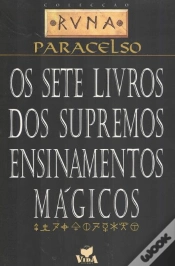
10%Os Sete Livros dos Supremos Ensinamentos MágicosLIVROS DE VIDA12,50€ 10% CARTÃO
-
10%ProfeciasEDICIONES OBELISCO S.L.14,67€
16,30€portes grátis
QUEM COMPROU TAMBÉM COMPROU
-
eBook10%Christ Power And Earth WisdomCLAIRVIEW BOOKS9,92€ 10% CARTÃO