adicionar à lista de desejos
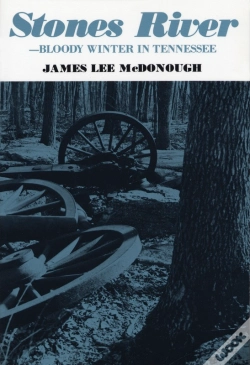
Stones River eBook
Bloody Winter In Tennessee
Livro
eBook
idioma: inglês
Editor:
University of Tennessee Press, agosto de 2024 ‧
ver detalhes do produto
17,25€
10% DESCONTO
IMEDIATO
YkdsWWVFZzVWRkJEY3pKc1JITjBXamxtVjBvMGVUQTBNWEZGT1hwdUx6ZEtaR1JoUTBaeldsSnViVEZqTDFaSlEydHNaQzk1UjNadlFUQjBNVmhEYmxNMlQyMDJWWG93ZUVZMU9VVnZTV1ZKU0ZoRVpHWTRWVW92T0U5RFZHNDFWVlExTlVGSVdrRkZVVFpSU1ZaS1YxVjVkRzEzWmpWTlIxZHNRelpIT1hkTk0xcExOalZxUm0xMlpuWkNjRWd4WjBGSlNHSnlaM3BqVUd0SWQxZEpNMnRpUkVjd2NIazVkRGRGYUdKTGIxSndkbkJUVjFJeU5XOXhVbmw1SzBOVE4yUk9jbU5CWTJaQ1VVOVhXbVZ5VEhaSmFHeDJUREJVVkVvNFYwVktVV2RxVEZaNU1WcGpWVTVzZUZWSVJHaEphU3RGVm5aRVZ6QnhSREo2UTJGbldHaG9URFpaYzBFNFJITlRhR2x6YkZBMmRUWndMeTlZTlVaRGVERTBVWGt3VlhVNWNFcHBkVk01VUdFNFlUUlhTM2x4SzNaa1IyeFJiek52VTNsMlJ6SktjbGxPTkV0cE5sSlRiRlJRYTBaaGRYQXhjbk5WYmtOTGRYWm1kME5DYlVrMmExUjRSVVZEVmpSRVlXWXJZVmhhYlVob2VEVkhLekZ5V1RaUlRDOXFORXBRYTFGdVpHNXNNV3N5UlhSUmNGVXhaelpYZEVZclJGVjBXV1JqYzBONVZVUkhRa0ZJU0ZoWFkwbFNRMUpTUXpST1FpczJlVFZMY25jM1ptUkpOR1ZaTUhSc01IUnhhVVIyUTNKbmNFVlFXRVpCVDJ4NmRVdGxWMWczVTFwWFZtMDVNMFZKVW5aalpqUkVXR3BxV21aVVFubHlNVU42Tkc1TGRYRkRSVWsxWkdwUlNHb3JXbFE1TTAxT1NtbDBWbE50WnpkM1lsaFBWMnBWY1hFeUsxTXhSV1JFYnk5dWR6RlZWRzl4U2sxdWVuTlNkbGg1U3l0bloyUkdOak0zSzFkMFJFSTJUbFp3UTAxdE0zSkhSVUV3UjNOdlVUMDk6Q0U5cnlkNVJVeE84bm1jSDBSNCs1QT09
DISPONIBILIDADE IMEDIATA
eBook com proteção wookreader
SINOPSE
On December 31, 1862, some ten thousand Confederate soldiers streamed out of the dim light of early morning to stun the Federals who were still breakfasting in their camp. Nine months earlier the Confederates had charged the Yankees in a similarly devastating attack at dawn, starting the Battle of Shiloh. By the time this new battle ended, it would resemble Shiloh in other ways—it would rival that struggle’s shocking casualty toll of 24,000 and it would become a major defeat for the South. By any Civil War standard, Stones River was a monumental, bloody, and dramatic story. Yet, until now, it has had no modern, documented history. Arguing that the battle was one of the significant engagements in the war, noted Civil War historian James Lee McDonough here devotes to Stones River the attention it has long deserved.
Stones River, at Murfreesboro, Tennessee, was the first big battle in the Federal campaign to seize the Nashville-Chattanooga-Atlanta corridor. Driving eastward and southward to sea, the campaign eventually climaxed in Sherman’s capture of Savannah in December 1864. At Stones River the two armies were struggling desperately for control of Middle Tennessee’s railroads and rich farms. Although they fought to a tactical draw, the Confederates retreated.
The battle’s outcome held significant implications. For the Union, the victory helped offset the disasters suffered at Fredericksburg and Chickasaw Bayou. Furthermore, it may have discouraged Britain and France from intervening on behalf of the Confederacy. For the South, the battle had other crucial effects. Since it convinced many that General Braxton Bragg could not successfully command an army, Stones River left the Southern Army torn by dissension in the high command and demoralized in the ranks.
One of the most perplexing Civil War battles, Stones River has remained shrouded in unresolved questions. After driving the Union right wing for almost three miles, why could the Rebels not complete the triumph? Could the Union’s Major General William S. Rosecrans have launched a counterattack on the first day of the battle? Was personal tension between Bragg and Breckenridge a significant factor in the events of the engagement’s last day?
McDonough uses a variety of sources to illuminate these and other questions. Quotations from diaries, letters, and memoirs of the soldiers involved furnish the reader with a rare, soldier’s-eye view of this tremendously violent campaign. Tactics, strategies, and commanding officers are examined to reveal how personal strengths and weaknesses of the opposing generals, Bragg and Rosecrans, shaped the course of the battle. Vividly recreating the events of the calamitous battle, Stones River—Bloody Winter in Tennessee firmly establishes the importance of this previously neglected landmark in Civil War histo...
Stones River, at Murfreesboro, Tennessee, was the first big battle in the Federal campaign to seize the Nashville-Chattanooga-Atlanta corridor. Driving eastward and southward to sea, the campaign eventually climaxed in Sherman’s capture of Savannah in December 1864. At Stones River the two armies were struggling desperately for control of Middle Tennessee’s railroads and rich farms. Although they fought to a tactical draw, the Confederates retreated.
The battle’s outcome held significant implications. For the Union, the victory helped offset the disasters suffered at Fredericksburg and Chickasaw Bayou. Furthermore, it may have discouraged Britain and France from intervening on behalf of the Confederacy. For the South, the battle had other crucial effects. Since it convinced many that General Braxton Bragg could not successfully command an army, Stones River left the Southern Army torn by dissension in the high command and demoralized in the ranks.
One of the most perplexing Civil War battles, Stones River has remained shrouded in unresolved questions. After driving the Union right wing for almost three miles, why could the Rebels not complete the triumph? Could the Union’s Major General William S. Rosecrans have launched a counterattack on the first day of the battle? Was personal tension between Bragg and Breckenridge a significant factor in the events of the engagement’s last day?
McDonough uses a variety of sources to illuminate these and other questions. Quotations from diaries, letters, and memoirs of the soldiers involved furnish the reader with a rare, soldier’s-eye view of this tremendously violent campaign. Tactics, strategies, and commanding officers are examined to reveal how personal strengths and weaknesses of the opposing generals, Bragg and Rosecrans, shaped the course of the battle. Vividly recreating the events of the calamitous battle, Stones River—Bloody Winter in Tennessee firmly establishes the importance of this previously neglected landmark in Civil War histo...
DETALHES
| Propriedade | Descrição |
|---|---|
| ISBN: | 9781621909903 |
| Editor: | University of Tennessee Press |
| Data de Lançamento: | agosto de 2024 |
| Idioma: | Inglês |
| Páginas: | 286 |
| Tipo de produto: | eBook |
| Formato e Compatibilidade: | |
| Classificação Temática: |
eBooks em Inglês
>
História
>
História da América
eBooks em Inglês > Guias Turísticos e Mapas > América do Norte |
| EAN: | 9781621909903 |
| Acessibilidade: | Ver características de acessibilidade indicadas pelo editor |
-
10%William Tecumseh ShermanWW NORTON & CO22,97€ 10% CARTÃOportes grátis
-
The Western Confederacy'S Final GambleUniversity of Tennessee Press45,00€portes grátis