

adicionar à lista de desejos
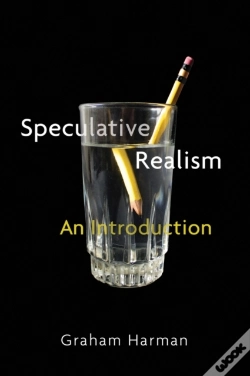
Speculative Realism eBook
An Introduction
idioma: inglês
Editor:
POLITY PRESS, setembro de 2018 ‧
ver detalhes do produto
23,84€
10% DESCONTO
CARTÃO
WVdSNFQzWXpOMVlyTUZWTmRURTNSbnBHVEd0dVJrWklUMjlDTlZaYWN5dGpNSEpWUmxWR1ZHaHFkWHB3Umk5aWVVUXhUaXN5YzNsNVMzbzJXRUl5ZUV4UFUxTmFLMHN3TWpSTlZtOHlLMnBMZGxwRWVVNTViVUUxUVRWWVRVVkdVV2xrTVVSRVZIWkhXa1pwZUVGVVpsaDVWR041T1RsWGJHbFFlVXREWldwdFlrTnJWV1k0SzFsVVoyZHlVWGQxUVdkWVQwaFJaeTlPYW13cmFtdDZiRGhPWVVabk5GaFRSa1UwZDFNNU5FUk9lR3RsZFVWRmNFTlhaM01yWW1wYWNrNVVSVUpITDNsVFFraGtaR1l6UkZWS1JWSnhSbEJpZVVWYWJEVnlOVmwyUldwWWFrMVJORFJ5TldzMWNqQmlkVk5rVWpSUFpXa3hja3hpTjBaSFFuSnROR2hTY1VSMlFqZEtXbU01UkcwNVdsbENZeTl4SzI5SmRqUTFabUZvYWsxRFdGRjNaWGR5YURKblZYQXlTM1JhVDFObVNEUlhVblZSWWtOUGFtSkxTREJFVG5SQ2FWTk5hbll4VERkTE9GRklaVGxITkVaWWVtNTVaRU50TVdOclp6aFllazlFTUhBdldsYzNSbmt6UVU5TGJHRTFVVW9yT1ZGbE5HdE5XRTFGVGpaVVVETmxWVzlPU0dsRVYyaDVjbHBOYzJ0eFRtNDVjRmhCTlZRMFowOWFia05GYlZsTFdVVnlXREpOVGxRM2JuUkpNMGhTTlZCSU1rZHdSblIxUlhOcVZHWkhiSHB1UXpsSEx6UlBTMFJ6VTNVd2Qzb3pRWE15ZWpkVGQwazBWR1oxVnpGNlJUa3JWMjFUUWpsd1dVUkNTRzgyVFhaVE4wdDRZbWcwWkVWUVEzazBUMFZ6VURnd1Z6Tk9URGxhYzA1elVGTm5jbk52U2pOeldIWnBPWGN4ZWpsaVYzcFVOaTh2Y2pWMlJ6azJhVVpZUWpaNWR6VlpXVzQwYldkRmRuUnNNbTEyV1RacFpHbGFibmhXTVM5TFVsSXJjM3BSTHpaclIyeHBOa1JNWld4R1NXczJhVkpEWmpJemNGbFFaVkJrYlhFME1Fd3ZSSFpqVG5ST1lqQTFMelZHVVVWdkx6RTJhVEJZWjJWNVUzQlNSMHA0UjFVNWEwSjJTbll2VW1sR1VXTkVWREpvVFhwV1F6QjJWVVZsZW5FemVqQnFSbnBzTjFoV1pDOVhiMU5hWTFBemR6WTVTMGh4T1VGQ01UQXdZa1kxTjBjelNFaGhXRWR6Y25VdlFqWlBXRkJ2UFE9PTpoVEdKTzA0cDQyNFkxMHBsaTVQaHZRPT0=
DISPONIBILIDADE IMEDIATA
Ebook para ADE
SINOPSE
On April 27, 2007, the first Speculative Realism (SR) workshop was held at Goldsmiths, University of London, featuring four young philosophers whose ideas were loosely allied. Over the ensuing decade, the ideas of SR spread from philosophy to the arts, architecture, and numerous disciplines in the humanities and social sciences. SR has been arguably the most influential new current in continental philosophy since the works of Gilles Deleuze and Félix Guattari found their second wind in the 1990s.
But what is SR? This book is the first general overview by one of its original members, focusing on the aesthetic, ethical, ontological, and political themes of greatest importance to the movement. Graham Harman provides a balanced but critical assessment of his original SR colleagues - Ray Brassier, Iain Hamilton Grant, and Quentin Meillassoux - along with a clear summary of his own Object-Oriented Ontology (OOO). A number of central philosophical questions tie the four chapters together: What exactly is "correlationism," the chief enemy of SR? What are the stakes of philosophical realism, and is such realism better served by mathematics and the natural sciences, or by a broader model of cognitive activity that includes aesthetics?
This book covers both the historical and conceptual development of the movement, providing a first-rate introduction for students, aided by helpful end-of-chapter study questions chosen by Harman himself. SR, Harman shows, is a vital and fast-developing field in contemporary philosophy.
DETALHES
| Propriedade | Descrição |
|---|---|
| ISBN: | 9781509520022 |
| Editor: | POLITY PRESS |
| Data de Lançamento: | setembro de 2018 |
| Idioma: | Inglês |
| Tipo de produto: | eBook |
| Formato e Compatibilidade: | |
| Classificação Temática: |
eBooks em Inglês
>
Outros
|
| EAN: | 9781509520022 |
| Acessibilidade: | Ver características de acessibilidade indicadas pelo editor |
-
10%Objetos IntempestivosLa Tía Eva Ediciones, S.L.21,11€
23,45€portes grátis -
10%El Auge Del RealismoLa Tía Eva Ediciones, S.L.21,11€
23,45€portes grátis