

adicionar à lista de desejos
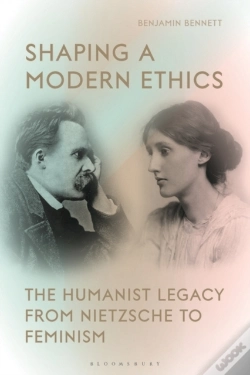
Shaping A Modern Ethics eBook
The Humanist Legacy From Nietzsche To Feminism
idioma: inglês
Editor:
BLOOMSBURY PUBLISHING, fevereiro de 2020 ‧
ver detalhes do produto
39,34€
10% DESCONTO
CARTÃO
VURKdVFqUk9kakZzYjNZNFJEQnlLMWREYldSaWIwUlBhVkJDTjNSbFZtZE9TbTVoTW1nNU5XazJUMmt2YzBOeE5HUmxUa3RzY0ZSMVpVNXlRVE0wVVVkb1pVaFdMMWQ2TlRsNGFVUmxLemRWYWpkdldGSXhZV1pXV20wd2N6aFdaMjlTV1dkc2EybFJaRmgwUmpWc0syZHdVMUF5VG5nMFRVdzBXQzlaU2twVk5FaDBOaThyWVZaa09GWlNURTU2WkZwRVkxaElURFEzUzFFeGR6UmlhM0ZEV0RCTmRsZEtNa0pMYzBoTmNuVjZaVWxyZG1wM1IyWm5URVpxU1ZwSFoxcHRTWGMxVm5sUGVFTkllV1JNUVZSVVpYcDVVazUwWTBKSU1YUmpOM2QxZGpkUFpuTldOMEYwUldSWWFuWmhNR05rUlZvdmVHeHNXRWx6ZVU5bmRUUkVibFI1TUhKaVJEY3djRXd4Um5samFFcEJOemc0UW5aT1VFOU9UaXREZG1aQlEwcE9PR3ByV21kT1MyZDRkbHBzWlhGQ01IbEtiMVEzUjFCQ2VtcFlVbWhIU0V4QlZYUndNbWh0VEZoS00xbzRRMUJrV21oeVpFOVZNVlIzYlhOdlQzaHZTa1o1TWpWc2FuY3hhVWhSZUcwMWR6TXdVbk5JU25aUGFsWk1lVGh2UVc1NVdYcHdPV0U1WW5sT01YVmlXWEUyZEVreFNrRlFXR3RGUzA1bGNuSTVhWFpOUXpSNFp6TlNWMlJhWnpCUU5FaEViR1JsYWxGYVEyVXJUMGgwWTIxS2EydDZiU3RxVDNoQlVqVmtOREZOU0dveWNEWnZXR2x3UWtsdGJWTjFkREpWYVRoeWJXeEhXQ3MzVGxObmJYWXZPVzVVYTNOU01qUkNTVmRLWmxkRFRVNTJhakYwWkdkeFZYWktSaTgwU1hSTGJFVjZURXRVTkZwUlFVZGxSV1IwVm5OU1drNXdTVlZPZGtZd2VUSjNTV3BhZGpkeVYxQjBPVXd6TlZwNU1reEhURFkyT0VSNFRpdEtPSEpGV1doWk9YQkpkakpLWTB0allsVmtkMDVNTlROaFNFdGtla2R2TURCVVRrMXZValpJWVVsdk5qTkVNVk5xWmxreUx6RnVlbWhxTDNkb1QyVllhVUZvUzNkVVVHeE1TWFpFVFcxb1dHZE9abTV6TDFGTFVtSkdiWGhvYzJoVFdXdEdSbmhNVHpZeU1tOUVlbEExVFU0dlJXNVpkVkpCTkZWSkx6WnZkSEU1TDBOWmJVaHVZWFU0ZEZoME5EWlBUeXR6Unk4M2FFNUljRE5OUFE9PTpqUktyby9BNjFlUTBrME5ScnZkWm9BPT0=
DISPONIBILIDADE IMEDIATA
Ebook para ADE
SINOPSE
Is there any such thing as a single ethical system to which all human beings could conceivably subscribe?
The short answer is no; and most people, being tolerant, would probably agree with this answer. Yet most people, precisely in being tolerant, also subscribe to an idea of "human rights" which presupposes just such a universal ethics.
This basic question of ethics is similarly treacherous when approached on a higher technical level. Specialists have long recognized that Kant''s categorical imperative is neither theoretically nor practically tenable. But efforts to revive and repair the Kantian project-including especially the monumental work of Jürgen Habermas-have all themselves been theoretically questionable, while developing a complexity that makes them impractical.
Must we then simply do without ethics in the sense of a universal ethical method?
By way of a close study of literary and philosophical texts, from Freud to Machiavelli, Benjamin Bennett shows why the failure of a universal or propositional ethics is indeed unavoidable. He uncovers a modern non-propositional ethics that cannot be grasped in a single theoretical move but can only be approached as a collection of instances of a modern ethical "we", three key examples of which Bennett explores in this book:
- The "we" of irony, whose speakers share a strictly preter-verbal knowledge which is concealed in their actual utterances
- The insistent exclusive "we" of a group that has neither its own physical locality nor even a clear intellectual identity, comparable to the "we" of Jews in the diaspora
- The "we" of feminism, a separate "we" from that embracing people who happen to have been born women.
The short answer is no; and most people, being tolerant, would probably agree with this answer. Yet most people, precisely in being tolerant, also subscribe to an idea of "human rights" which presupposes just such a universal ethics.
This basic question of ethics is similarly treacherous when approached on a higher technical level. Specialists have long recognized that Kant''s categorical imperative is neither theoretically nor practically tenable. But efforts to revive and repair the Kantian project-including especially the monumental work of Jürgen Habermas-have all themselves been theoretically questionable, while developing a complexity that makes them impractical.
Must we then simply do without ethics in the sense of a universal ethical method?
By way of a close study of literary and philosophical texts, from Freud to Machiavelli, Benjamin Bennett shows why the failure of a universal or propositional ethics is indeed unavoidable. He uncovers a modern non-propositional ethics that cannot be grasped in a single theoretical move but can only be approached as a collection of instances of a modern ethical "we", three key examples of which Bennett explores in this book:
- The "we" of irony, whose speakers share a strictly preter-verbal knowledge which is concealed in their actual utterances
- The insistent exclusive "we" of a group that has neither its own physical locality nor even a clear intellectual identity, comparable to the "we" of Jews in the diaspora
- The "we" of feminism, a separate "we" from that embracing people who happen to have been born women.
DETALHES
| Propriedade | Descrição |
|---|---|
| ISBN: | 9781350122871 |
| Editor: | BLOOMSBURY PUBLISHING |
| Data de Lançamento: | fevereiro de 2020 |
| Idioma: | Inglês |
| Páginas: | 216 |
| Tipo de produto: | eBook |
| Formato e Compatibilidade: | |
| Classificação Temática: |
eBooks em Inglês
>
Religião e Moral
>
Moral e Ética
|
| EAN: | 9781350122871 |
| Acessibilidade: | Ver características de acessibilidade indicadas pelo editor |
-
10%Aesthetics As Secular MillennialismASSOCIATED UNIVERSITY PRESSES67,58€ 10% CARTÃOportes grátis
-
10%Aesthetics As Secular MillennialismASSOCIATED UNIVERSITY PRESSES148,71€ 10% CARTÃOportes grátis