

adicionar à lista de desejos
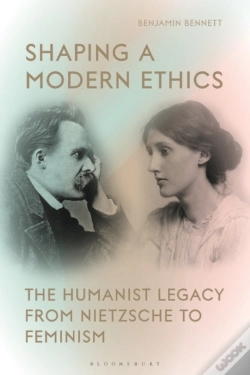
Shaping A Modern Ethics eBook
The Humanist Legacy From Nietzsche To Feminism
idioma: inglês
Editor:
BLOOMSBURY PUBLISHING, fevereiro de 2020 ‧
ver detalhes do produto
39,34€
10% DESCONTO
CARTÃO
Y2t0aFVsWnBVelZVV1ZjMFRXTmFaVTlTY2s1WFYyUnNUVFl5VmxsTE1FNHZZMEpGWjNad1JuQlhSRk5SVjBaSFFtVTJWVlpKWlRjNWVFWjRaMVJNV21GUGNXMW9XV0pRWml0TFkyNXZMMG8xWnpGSk5tOW5aVGRPUTFOU2MwSklOSGRJYlhoSFVtZERjRVJaVUcxM1VXeHZjSFZaYUdKbmJYVnJkbXRFZDJGNFFuaENSR3QxYm5SRGMyZFVaSEJGTDBGb2JERkRkblJMT1ZSd1drZFFVMWsxVkc5RmQybE5OVU5xVEZObVVtUlllRkZYZVN0c05FMUtMekExUWpZM2RqVlJVRU15VHpWUlFVOUJlbEJzT0hCbE5VeEVUMGRoV1hobVNXMVZkR3R5YjBWVmVrbzNWMVpWVVd0NWRFNWtNV1pKWWxSdVUweHVkbFpUTURZMllsRjVTbmw0TjNkTGVsVk9TRTlFT1ZOYVVYbGhkbmR4Ukd4RFNYVnFjRXgwTnpscVUxZHJWRmR5VDNBcmRVZEhXSEpOVnl0TWRuRjJXRkUxU0ZWNU5uQlJSVTlQVkUxc09XWk5iWHBwZDJZeGNUQXhjVkJ1ZDNoYWFITlNhVVF3YkhSalJsSlZkVXAxTVZCSVdITmFPRmhFVm5KWlNFTnZNMWx3TkZrek1uRnFia2RQUldKc1FtMW9RaXR3UzNVNGRYQkZNRlU0TjNsWlpGVlNRelpaZGxVd1MyZFBZVUphZFRsa1dGRkxXVFE0ZFdKTk9HSXdOVWc1Y2t0cmVsTlpWRXBXTTNOQlMwdFBOemhOT0hKblVuUmtiakpPU1VkSVJYQkJla05tZEhaQ1JUaFhhMDFFVkRKNk9HYzFVa1YxUVRsb1VIY3ZSR1pWUTNvNVlsQTRZVVZsYkRac0szUTRka2g0VTFOc1VtSk9UVTVhTmtoVVJVRkdaMHR2YzFZellVNW5UbTlLVjBkek9WTjBNWE5JYVM5b1QzSnpSV2Q2YldNME5WUXpiSE5NSzBKSFRYVk1jRWxDZURkSVlVRlFZalZ0UlUxalJXdHpNVkJTTVZweFpUbDJiVlYyUjAxcVREQk9lVFl5Y2pCalRYbHBOMUV2Ykdjck16WmpMM3AwTlNzNVRGWkdXa040VTNac2IxVndRMnBHTkU1VEsyRjRUR1JKYjNkSU4wSnljV3gyTHpWRU5rcHZhM1k0TUdSelVuRjBUMGR0YkM5eVQyRkJjRmN2TkUxeFJYTkJVQ3RqZVdWclJuWlFSbWhLTUVaMlFVNXRSMlp0VVRZdlpFOTRaWFZHUWxGbVVGSjVTbWxyUFE9PToyQ2pLTVFpdms3RjdERkFxWnUxU01BPT0=
DISPONIBILIDADE IMEDIATA
Ebook para ADE
SINOPSE
Is there any such thing as a single ethical system to which all human beings could conceivably subscribe?
The short answer is no; and most people, being tolerant, would probably agree with this answer. Yet most people, precisely in being tolerant, also subscribe to an idea of "human rights" which presupposes just such a universal ethics.
This basic question of ethics is similarly treacherous when approached on a higher technical level. Specialists have long recognized that Kant''s categorical imperative is neither theoretically nor practically tenable. But efforts to revive and repair the Kantian project-including especially the monumental work of Jürgen Habermas-have all themselves been theoretically questionable, while developing a complexity that makes them impractical.
Must we then simply do without ethics in the sense of a universal ethical method?
By way of a close study of literary and philosophical texts, from Freud to Machiavelli, Benjamin Bennett shows why the failure of a universal or propositional ethics is indeed unavoidable. He uncovers a modern non-propositional ethics that cannot be grasped in a single theoretical move but can only be approached as a collection of instances of a modern ethical "we", three key examples of which Bennett explores in this book:
- The "we" of irony, whose speakers share a strictly preter-verbal knowledge which is concealed in their actual utterances
- The insistent exclusive "we" of a group that has neither its own physical locality nor even a clear intellectual identity, comparable to the "we" of Jews in the diaspora
- The "we" of feminism, a separate "we" from that embracing people who happen to have been born women.
The short answer is no; and most people, being tolerant, would probably agree with this answer. Yet most people, precisely in being tolerant, also subscribe to an idea of "human rights" which presupposes just such a universal ethics.
This basic question of ethics is similarly treacherous when approached on a higher technical level. Specialists have long recognized that Kant''s categorical imperative is neither theoretically nor practically tenable. But efforts to revive and repair the Kantian project-including especially the monumental work of Jürgen Habermas-have all themselves been theoretically questionable, while developing a complexity that makes them impractical.
Must we then simply do without ethics in the sense of a universal ethical method?
By way of a close study of literary and philosophical texts, from Freud to Machiavelli, Benjamin Bennett shows why the failure of a universal or propositional ethics is indeed unavoidable. He uncovers a modern non-propositional ethics that cannot be grasped in a single theoretical move but can only be approached as a collection of instances of a modern ethical "we", three key examples of which Bennett explores in this book:
- The "we" of irony, whose speakers share a strictly preter-verbal knowledge which is concealed in their actual utterances
- The insistent exclusive "we" of a group that has neither its own physical locality nor even a clear intellectual identity, comparable to the "we" of Jews in the diaspora
- The "we" of feminism, a separate "we" from that embracing people who happen to have been born women.
DETALHES
| Propriedade | Descrição |
|---|---|
| ISBN: | 9781350122864 |
| Editor: | BLOOMSBURY PUBLISHING |
| Data de Lançamento: | fevereiro de 2020 |
| Idioma: | Inglês |
| Páginas: | 216 |
| Tipo de produto: | eBook |
| Formato e Compatibilidade: | PDF para ADE |
| Classificação Temática: |
eBooks em Inglês
>
Religião e Moral
>
Moral e Ética
|
| EAN: | 9781350122864 |
-
10%Aesthetics As Secular MillennialismASSOCIATED UNIVERSITY PRESSES67,58€ 10% CARTÃOportes grátis
-
10%Aesthetics As Secular MillennialismASSOCIATED UNIVERSITY PRESSES148,71€ 10% CARTÃOportes grátis