

adicionar à lista de desejos
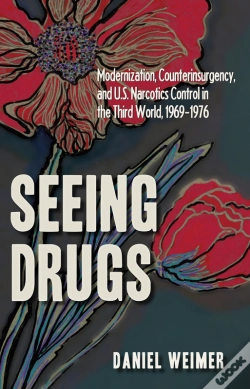
Seeing Drugs eBook
Modernization, Counterinsurgency, And U.S. Narcotics Control In The Third World, 1969-1976
idioma: inglês
Editor:
The Kent State University Press, junho de 2011 ‧
ver detalhes do produto
72,86€
10% DESCONTO
CARTÃO
WWxOWlRVOTRiMEpzT1ZKMmVrOUplbUpwVUZGeU5TdHdLM2xvTkZkaFMwRnVNVkUzT1ZKU2F6VnBielkwUVhKdVNHbEZWMnMzUjJzMFkxQkhUMVk0WldWeFUzSkhMM2huV1d4U2VUbDZlVlZrTDBOd1pHZEtTMWcwTjFka2EzSXlha1JDYVZad2RuaDNZekV5TlRaNVUwTndhbXd3YTI0dlpWRmtWa1ZWVVVOM1ZHWTBRa0pEVDJGblZrRlRPSHBpTDBOcU9WQnBWRWhhWVZWdGJIRTBTRWhOTVRGRk1tNUpMM2xJTURCM01XeEtOV3B6ZEVWamFrTnFTbVJFTWpKUldFNWxTa1pZTDFCU1pXMU9TRGhqYjBaU1FuTkhTVGRHVFZSRVRuWXdSMDV6ZUcxNlZrNUpkekJSUkRVME9HTnhRM1UxYTJWclVYcHdOVUY0ZFdsemVVZG5MM0ZUVFdKRVFVbHNiR1V5VXpsVFlsWlFRVkJuWTBOR1JscG9iakZ3YldSUU5tdHNWMGRXYzB4a00ybFJUbUZoT1U4MlRIVllOVXhDWTBwbVdqUmhPQ3RvWTFOWU5sZEZWamRTYlZkdWNVWndSbXhKUTNKU1RXb3dNRVZVUzFSaU1uZFdiazVpWW1jemVIaDVPR0ZMU2tSTVVGRXZZWGhyWm5weGJVNTRUMEZzWm1Oa1lYUkpNSE5aTlcxSGEwaEZhRFUxTlVZclVGbFVPWFV6VFRKa2FHNW9UWFUxUWpOSFZHSkZaVXhoVFVKek5pdG5RWFl3T0dFd1JtTm9kSEkzVjNWRVpFTktWMDFUZW14WllVWkJRbGc0YlRSNFMwRjRiaTlEWVdWSGVHUkVXalp4V21KRlFqTXZWRXB1VkhGbFJTdElTamQxVlU1SVVYZDZXVFJIY1ZaQlJtWjRkVEpwVlRJeWRUVXhSblJKWm1sdFMzSlpjV2xCV0d4S1psWjJMMEZWYld4YWFFdFllV0ZuVURoRk9HdGplRkpvZVc1cVUwcFVORlZTZFROU1pEZHFRMHBWWkhkYVpscFFhVTFvVVhCMU1VVlZOVkZGVTA0M1dGZE5hV2t6YTJKa1dFOWlWR1poVWpkck0zWkpNamxtZUVWMWIyTnZTbTFKVVM4MFpYVjJUbWxaWlM5aVdIRXdaMUE0SzAxRWFGTTBSaTluUzA0M1ozRm1iR05KVEdGNk5rVmxSV293YVVRemFXbEtTMFJNYW0xRFFVMWFjQ3R6T1dkcU1XOVBiM2syVFVOeFNpdDZWMFpsUXpGV1RISXJWRFZEWkV0S1pteExXa2RwYjBaQ1VrUTNja1p2UFE9PTp2YzBYNmd6Wi9TUFhiWlJLbDVYZTR3PT0=
DISPONIBILIDADE IMEDIATA
eBook com proteção wookreader
SINOPSE
A timely historical analysis of a persistent global problem
Since its declaration in the early 1970s, the American drug war has spanned the globe in a quest to stop the flow of illegal drugs into the United States. Explaining the conceptual framework within which policymakers understood illegal opium production and trafficking, Seeing Drugs examines the genesis of the war on drugs during the Nixon and Ford administrations when the United States developed the policies that set the parameters of subsequent American drug control abroad.
Faced with rising heroin use in the United States and the fear of drug-addicted Vietnam veterans carrying their affliction home and propelled by the belief that heroin addiction spreads like a contagious disease, U.S. officials identified three Third World nations—Thailand, Burma, and Mexico—as the primary sources of illegal narcotics servicing the American drug market. Author Daniel Weimer demonstrates that drug-control officials in these countries confronted a host of interlocking factors shaping the illicit narcotics trade and that, in response to these challenges, policymakers applied modernization and counterinsurgency theory to devise strategies to assist the Thai, Burmese, and Mexican governments in curbing drug trafficking. The Nixon and Ford administrations sincerely believed their policies could rein in the narcotics trade and diminish addiction within the United States. In the end, however, the drug war only guaranteed continued American intervention in the Third World, where the majority of illegal drug crops grew.
Through interdisciplinary and comparative analysis, Seeing Drugs examines the contours of the burgeoning drug war, the cultural significance of drugs and addiction, and their links to the formation of national identity within the United States, Thailand, Burma, and Mexico. By highlighting the prevalence of modernization and counterinsurgency discourse within drug-control policy, Weimer reveals an unexplored and important facet of the history of U.S-Third World interaction.
"Essential reading for anyone interested in both the history of U.S. drug policy and the process of modernization during the Cold War." - William O. Walker III, author of Drug Control in the Americas and Opium and Foreign Policy
"Seeing Drugs explores the dramatic effects of post-1945 U.S. modernization and counterinsurgency efforts, joined with Cold War imperatives, on the United States’ war on drugs. The war on drugs was carried by American dollars, social scientists, officials, and technology into the poppy fields of Mexico, Thailand and Burma. Dan Weimer deftly demonstrates the layered ways in which beliefs about drugs as threat and symbol of antimodernism pr...
DETALHES
| Propriedade | Descrição |
|---|---|
| ISBN: | 9781612775326 |
| Editor: | The Kent State University Press |
| Data de Lançamento: | junho de 2011 |
| Idioma: | Inglês |
| Páginas: | 328 |
| Tipo de produto: | eBook |
| Formato e Compatibilidade: | |
| Coleção: | New Studies In U.S. Foreign Relations |
| Classificação Temática: |
eBooks em Inglês
>
História
>
História em Geral
eBooks em Inglês > História > História da América eBooks em Inglês > Guias Turísticos e Mapas > América do Norte |
| EAN: | 9781612775326 |
| Acessibilidade: | Ver características de acessibilidade indicadas pelo editor |
LIVROS DA MESMA COLEÇÃO
-
imagem não disponívelUruguay And The United States, 1903-1929eBook10%Uruguay And The United States, 1903-1929The Kent State University Press62,26€ 10% CARTÃO
-
Arguing AmericanismKENT STATE UNIVERSITY PRESS36,49€portes grátis