adicionar à lista de desejos
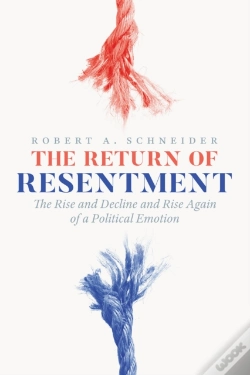
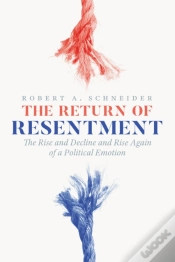
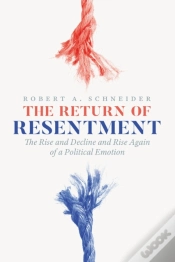
Return Of Resentment eBook
The Rise And Decline And Rise Again Of A Political Emotion
Livro
eBook
idioma: inglês
Editor:
University of Chicago Press, Janeiro de 2023 ‧
ver detalhes do produto
33,11€
10% DESCONTO
CARTÃO
T1doSUwwbENiWEJLWjJvNWJESXlaeXRsV1c1RFIyNUliV2hGWTI1QlNVeFJlVXB3SzB0c056QnVRbmRJV0dvNFJHSlRRMWhOZVdsVVFUbDNWalpxTTFaeE9FTXJNMlZNUkN0M2RsUXZkamRTZFhWQ2IwdzFZaXRKT0hGTVdGSXZTWEJ3ZWtSVVUza3plRVpYUVhBMWNXaE9lVXBOSzNRelNsZFBabE4zTkdNd2RYZGFaMmt4ZURocE5HazNiR2x0SzBkek5UbFZiVTFqVW1KeFlVTXdNREJhZEdsTVIwaHpjRk5TV0RCelREZ3pZbkUxVTJWdFEwTk1XRzl0TlRORVVXRktNR3RSVWxOWlFuUnFOMnd2WW1ob2FrOWhTSFV5WjFOclJ5OXpjbVJvYUVVeGFYWklNU3RGUkhGQlIxcDFRbGxOVlZnclNXRm9SVE5OUzFKbmRuQm9lV1IyVlVacVRYcG5NVGt3Y0hWUlRVNDNNbFJIVFZseFIxY3lObk5PYVV4dVYzVkpZek5ZSzBWbVNGUk9kRFpHY2k5Vk56QTBVMHMyYkhRelNUTnFjWFppVEU5SEswaHpXa2RXTm5kblV6QnVibmRFZUd0dk5VMHpXalZEU2l0bmEzRktZbEowYVRkRFozUTJhWFpTTldWWlFVZzJhazQ1ZEhaRFozWldVV0ZJYTJadU1YUk9TelpFTWl0Nk5uY3lXR1E0UVZGYVMyeE1abGxqUm5RM2FGVjVlR1pQYmtJMmVHcFliMk5uVFZGamQyaHhaVTVFTjJzeE1VUm9XVU5TVVVndlRDdHpWWGx1U3pCaEt6QTBUVXhpWVM5NE5HaExaMDAxYzJaUFN6ZHhlVFpRVmxSWU5uTnpiMlJ0UkRGb1NHVnpOSEo1UlhGS2VteE9RakJvWjNWWFNFVk5WRkJaVW1wRk16RkZhMVV6UzBGS1dWTnpTelJJVjBZNWRIUkJPVGx1UldsUlJrZG5aV2RWVkUxdFdrVlplR3RNYXpaR2MzTkZSVEJVYm1SNFUyd3JlbkJvVTJvd1ZXdG9kRUpsUzBoWVFtbHFjbE5oY0hkTmJERldNbFZvZFdkM1YwdElaVTB4UjFCdGFHdzRLMU5xYmxwMlUyTllVaTlvTVRWaFJuWk9OWGsyTWpCb1Z6TnRlRkZIVTJKWGRraFlUbUpXUW1Kek1HUlVRVWd3YkVGSWJsRnBkMnA0TjBOU1pFeHFTelJZTkZWSFN6VnRMMEpuV1dSd05sVTJhVVZZTDAxRVREaFNjMFZxUkd4Vk1FMHhhazgxWTI1R1puVnNTVTF6TmtOb1NXbFhRV1JqUFE9PTpTMmNuaXVQTlFHaWJPWkJrUEdyTlB3PT0=
DISPONIBILIDADE IMEDIATA
Ebook para ADE
SINOPSE
Charts the long history of resentment, from its emergence to its establishment as the word of the moment.
The term "resentment," often casually paired with words like "hatred," "rage," and "fear," has dominated US news analysis since November 2016. Despite its increased use, this word seems to defy easy categorization. Does "resentment" describe many interlocking sentiments, or is it just another way of saying "anger"? Does it suggest an irrational grievance, as opposed to a legitimate callout of injustice? Does it imply political leanings, or is it nonpartisan by nature?
In The Return of Resentment, Robert A. Schneider explores these questions and more, moving from eighteenth-century Britain to the aftermath of the French Revolution to social movements throughout the twentieth century. Drawing on a wide range of writers, thinkers, and historical experiences, Schneider illustrates how resentment has morphed across time, coming to express a collective sentiment felt by people and movements across the political spectrum. In this history, we discover resentment’s modernity and its ambiguity—how it can be used to dismiss legitimate critique and explain away violence, but also convey a moral stance that demands recognition. Schneider anatomizes the many ways resentment has been used to label present-day movements, from followers of Trump and supporters of Brexit to radical Islamicists and proponents of identity politics. Addressing our contemporary political situation in a novel way, The Return of Resentment challenges us to think critically about the roles different emotions play in politics.
The term "resentment," often casually paired with words like "hatred," "rage," and "fear," has dominated US news analysis since November 2016. Despite its increased use, this word seems to defy easy categorization. Does "resentment" describe many interlocking sentiments, or is it just another way of saying "anger"? Does it suggest an irrational grievance, as opposed to a legitimate callout of injustice? Does it imply political leanings, or is it nonpartisan by nature?
In The Return of Resentment, Robert A. Schneider explores these questions and more, moving from eighteenth-century Britain to the aftermath of the French Revolution to social movements throughout the twentieth century. Drawing on a wide range of writers, thinkers, and historical experiences, Schneider illustrates how resentment has morphed across time, coming to express a collective sentiment felt by people and movements across the political spectrum. In this history, we discover resentment’s modernity and its ambiguity—how it can be used to dismiss legitimate critique and explain away violence, but also convey a moral stance that demands recognition. Schneider anatomizes the many ways resentment has been used to label present-day movements, from followers of Trump and supporters of Brexit to radical Islamicists and proponents of identity politics. Addressing our contemporary political situation in a novel way, The Return of Resentment challenges us to think critically about the roles different emotions play in politics.
DETALHES
| Propriedade | Descrição |
|---|---|
| ISBN: | 9780226586571 |
| Editor: | University of Chicago Press |
| Data de Lançamento: | Janeiro de 2023 |
| Idioma: | Inglês |
| Tipo de produto: | eBook |
| Classificação Temática: |
eBooks em Inglês
>
História
>
História em Geral
|
| EAN: | 9780226586571 |
| Acessibilidade: | Ver características de acessibilidade indicadas pelo editor |
-
10%Basic Statistics For Social WorkersUniversity Press of America74,34€ 10% CARTÃOportes grátis
-
10%Basic Statistics For Social WorkersUniversity Press of America50,01€ 10% CARTÃOportes grátis