adicionar à lista de desejos
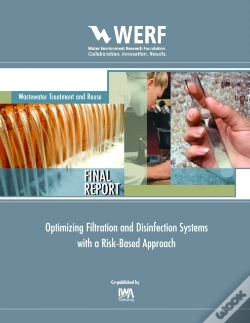
Optimizing Filtration And Disinfection Systems With A Risk-Based Approach eBook
idioma: inglês
Editor:
IWA Publishing, maio de 2010 ‧
ver detalhes do produto
38,43€
10% DESCONTO
CARTÃO
VUhoR2MxVnpWVk41Tld0elNtWmxkRXRCWm5kdkx6QkJkMWt4TVVObVFsaG5lRmM1VGxobVpuVXdZemhFWlhkeVMyRjJORzl0WkRZeGFVbEpOMDFFZDJOVlRtSllSbHBNY25SRVpHSlNSRGx6ZFVwbGVsTmlNMkZTZWxBeGJGUkdiWGhRTm5KRFZHbEtNMWd2WW1aQ1pYSlFTMjl3UlZoamMyUkZhMWRuU2taS1ExaDVaRGgxTmxKT1pYRnZUWGhoTlN0eWFVVldjWGR6UWtkV1UwSkxObGhoVDBGRGIxVlBLMUJvYlc5MmVuQlpiVFZXYVVrNFExTTJXbU13UkcxMlJqZFRXWFpDU0ZZMldrTnVRVFl4ZW5kWVMySXdlVk5aVHk5MVpVTkVTRmxCTm1WRGNYQTRVVXA0ZW1OU2NXRk9hV05MU3pWd05IWnNRWE5tZVdFNVUwWmhjVFp2V0N0WWJIUjNTa1poWTB0bVEzRndSVEpsUzBFNVFqVjRabWRhUkhKc2JFeDFNbVJZY0dkSkx6bGlla1VyYkVSMmFEaERNWFUxWVVZMlVUaHhNRUZRVUVSNmFWZHVOVlIyT0U4MVpIaFlOME5rU1dSbWMwUTVibWRNTW1Oak9DdFNlVTlHVFRCQ1psQXhiR1JSWjBKS09IQkVTVVZFZUM5V1FWSjBlSHBUTW1kWGIxaHZURzR4U0drcmJIZG1lSEY2VkVaWmJtOHJRelZTZVM5V1NHdGpWVUZ2VUZGelYyOVZkalJCV2xkT1JVUnJiMnRDWm1NNVVqVlpMMUE0V0dGM04zcHBiRTh6YmtOSVJHdFhURGRZUVVadVdGSkNXVWxxVlZJeVVVVXpXbGxJV2tGUWNHWkxjVk0yYVRocVYxTTFTRTR3VEdFeGVYcERPVVYyTDJSMk5XdDBXblY1TjBrdlowaHpkRnB1T1VsQk1GQlRja0pCTUhkT2RtNW1WbGRrT1hobGRYVXZVVloxUVRaRVJFMDFkRWhPVm5CWE9VVlBjak5hU0dWRGMxaEdaVTlDYzNwNFYxSjRhMHd4YURoalNqQm1Xa2xCYXpSeE4weHFORzQxVEdWdVRHcHZaREVyVkZSVFoyWmFOM1ZXV0hCV1MxYzJlWGRPUlZVNFZXb3hja2d2YW5jelJFTkJTbWRpY1doaVIwOXdNMmxIWW1wSEwyOWhlR054YjA1TllrRnhSSGhIYXl0M1UwbzBjVWd4TnpaSVp6WlVjbmhYVm5GM05ERmlaREEyVDBaaU5VbFNRVkpTYzB0bFdFWm1OVWwxV0V0d1ZWVjJMelk1WW1Jd1RVbFVlbEZ6UFE9PTpybUdzSlJoNG1uVFNTK2UwSUMxZUlRPT0=
DISPONIBILIDADE IMEDIATA
Ebook para ADE
SINOPSE
Treated wastewater effluents contain high concentrations of particles; many of these particles are large (with diameters greater than 100 µm) and consist of densely-packed bacterial cells. Microorganisms occluded in wastewater particles can be difficult to inactivate in chlorine disinfection systems, as the chlorine must first diffuse through the macro- and microscopic pore spaces prior to inactivating the occluded microorganisms. The impact of microorganisms occluded in particles is evident in disinfection, where reduced inactivation rates occur even with increasing doses of the disinfectant. Reduction of occluded microorganisms in plant effluents can be accomplished using filtration to remove the total number of particles, and disinfection to ensure that intra-particle chlorine concentrations are sufficient to inactivate the occluded microorganisms.
In addition to addressing inactivation of dispersed microorganisms, treatment systems design and operation should include consideration of the removal of microorganisms in wastewater particles that may pose a health risk in post-treated waters. In this project, a systematic approach was developed to co-optimize filtration and chemical disinfection systems to collectively reduce the concentration of occluded viable microorganisms in treated effluents to acceptable levels. The optimization process was successfully applied to wastewater samples collected from seven facilities, each with different treatment trains. A range of operating conditions was identified that resulted in acceptable treatment based on particle guidelines developed using the existent regulatory framework for indicator organisms. Extension of the current approach to a pathogen basis was considered, but current data are insufficient to adopt such a procedure although preliminary results suggest that intra-particle chlorine concentrations that are sufficient to inactivate indicator organisms may not be adequate to sufficiently reduce concentrations of occluded pathogens.
DETALHES
| Propriedade | Descrição |
|---|---|
| ISBN: | 9781780403496 |
| Editor: | IWA Publishing |
| Data de Lançamento: | maio de 2010 |
| Idioma: | Inglês |
| Tipo de produto: | eBook |
| Classificação Temática: |
eBooks em Inglês
>
Ciências Exatas e Naturais
>
Outras ciências
eBooks em Inglês > Engenharia > Engenharia Sanitária eBooks em Inglês > Ciências Sociais e Humanas > História e Metodologia Científica |
| EAN: | 9781780403496 |
-
10%Estimation Of Mercury Bioaccumulation Potential From Wastewater Treatment Plants In Receiving Waters: Phase 1IWA Publishing182,50€ 10% CARTÃOportes grátis
-
Optimizing Filtration And Disinfection Systems With A Risk-Based ApproachIWA Publishing196,02€portes grátis