adicionar à lista de desejos
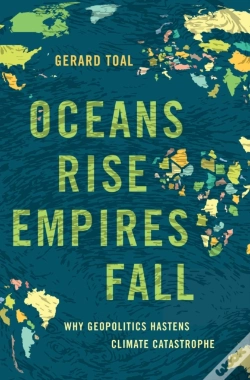
Oceans Rise Empires Fall eBook
Why Geopolitics Hastens Climate Catastrophe
Livro
eBook
idioma: inglês
Editor:
Oxford University Press, maio de 2024 ‧
ver detalhes do produto
22,85€
10% DESCONTO
IMEDIATO
VlZsU2EwdHlOV2xJVFVab1RXUktiMkk0U1daTGJqWjFaVmhSTUZaaVV5OHhTREoyWkdFNFNYTkNMMHczYkZCSFNtZEphR2t3WTFWa1IzVlRha2hxVEN0bFZsbFJLM1JoUzBOaWVuVkpMMXBxTHpaSFFXRXpaMGxHVmxsTlkwZHRSMDVIV0U1aFRtUkdSVWxzSzNaWGJ6bENXQzlJVDA4ck56RlRhVnAyYTFsUFprSXJRa2xNYTFkR04yeHRRaXQ1UXl0a01GZHFSVzFrWTJKalFVd3ZZV2xYU1d0MldUbERRVE5YYzFsUmFURnBkVE54ZFRGMU9GRXdhek4xYW14UWFtUlpLekZDTTFoMWNqaFVNVXRFS3pGaGQzSTBRMlZWYkVoeU1YSnRXRlV5TkhaRWFpdFZiR3RtZFV4NFJIWlJNV1p6TW05b1p6WTJhbFZHU0V4bmEzZExSR0YxVDFOTk16SnNiV3RuZURsMmRraHBRV2xUT1VGR1pHMHlRbXBWY2psTGFVeEVOM2RxV0hacVZqQnBiekEyV2t4S2MyVnZOVkp0T1d4TFJrOUJVekEyVTFaT2FYQk1ibkJUUkVvNVpHNWhiR2RGY2twV2MzQlZVMlI1T1VwMFMyVXZaVUZUWjJwM2RsRnlRVTVWZDNsUFNVaEhibUYzZEU4eGRFcElUazVIYWtnMGFrMVNibE5qUkhwV2EydFVUbkZ0V0U4MGNIVlJZMmxpU2pkMlprNHJUR1JTUVRFd09ERnViSFp3Y1VabldsVk9USEJZWWpneE1HdHpWRFZoVUdsVGNFNVlMME5CYWxaUWQyTk5Selo2ZGxKV2RVcEhlRmRZYlhwT2JHSnZia3gzT1ZONFFqWnBOMlpHUVdndmVHWldVRkF2VERSTU4wOWhjMmRWV0ZFd1JVaFRUR0U1Tmpac1lYZFFWMGRPZEZVeFFtUnpjV2R6TldkdGRqaEJjR0ZhSzJ4bFNVdE9SSFpCY1V4Q1RUWXhaREl6T0d4clkxZFpNVXQwOmtkZlV3YllhOWg2U2RwQ1pocXFmUlE9PQ==
DISPONIBILIDADE IMEDIATA
Ebook para ADE
SINOPSE
A powerful explanation of why geopolitical competition makes implementing effective climate change policies so difficult. As the Russia-Ukraine war has shown, great-power competition drives states to prioritize fossil fuel acquisition over working toward a zero-carbon future.In the last few years, it has become abundantly clear that the effects of accelerating climate change will be catastrophic, from rising seas to more violent storms to desertification. Yet why do nation-states find it so difficult to implement transnational policies that can reduce carbon output and slow global warming? In Oceans Rise, Empires Fall, Gerard Toal identifies geopolitics as the culprit. States would prefer to reduce emissions in the abstract, but in the great global competition for geopolitical power, states always prioritize access to carbon-based fuels necessary for generating the sort of economic growth that helps them compete with rival states. Despite what we now know about the long-term impacts of climate change, geopolitical contests continue to sideline attempts to halt or slow down the process. The Ukraine conflict in particular exposes our priorities. To escape reliance on Russia's vast oil and gas reserves, states have expanded fossil fuel production that necessarily increases the amount of carbon in the atmosphere. The territorial control imperatives of great powers preclude collaborative behavior to address common challenges. Competitive territorial, resource, and technological dramas across the geopolitical chessboard currently obscure the deterioration of the planet's life support systems. In the contest between geopolitics and sustainable climate policies, the former takes precedence-especially when competition shifts to outright conflict. In this book, Toal interrogates that relationship and its stakes for the ongoing acceleration of climate change.
DETALHES
| Propriedade | Descrição |
|---|---|
| ISBN: | 9780197693285 |
| Editor: | Oxford University Press |
| Data de Lançamento: | maio de 2024 |
| Idioma: | Inglês |
| Tipo de produto: | eBook |
| Formato e Compatibilidade: | PDF para ADE |
| Classificação Temática: |
eBooks em Inglês
>
Política
>
Política em Geral
|
| EAN: | 9780197693285 |