


adicionar à lista de desejos
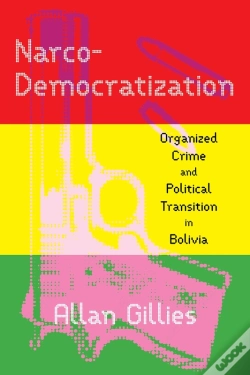
Narco-Democratization eBook
Organized Crime And Political Transition In Bolivia
idioma: inglês
Editor:
UNIVERSITY OF PITTSBURGH PRESS, abril de 2026 ‧
ver detalhes do produto
30,25€
10% DESCONTO
IMEDIATO
VW1KalZsVjRVQ3R2TTNOVVozTXZkR0U1VUZGWFNXVlBjRE5QVXpKeU5qVTRRMGxuZWswMWJHTmFOWGhDYkdSQldrbFZka05IVkdSbllVdHdTRkZsTmtKVlRrTnpjekJwV0M4MVZGZHhNakJ1VVVWVWFYaHhZbU5WWjJFeGJscFVVMm94U25GTVpGQjFjMWR1Y2xkNk1tcDVVQ3MyY1ZVeE5EVjRPRzl6U2tjM0wzUklZWEJGTm5wUVVtTXhXbEEyYzBreWRHVkthbGhGSzFKNlZDdDNiSGRLZDNWSFNtVlFMM3AwZFU5UlRsaG9VelZFWjFVMll6WmpNbkpZZVNzMGNGTlZWRFpTT1hGWFV6QktVWFUxVFhCck1VNWhjVnBSTm1oNmVUbGtlbXRFT1RWcWVuWkVlRGhWYkRSeU9UaDBZM0phY1ZWM2EyNUVUMGR6VTA1NlpHaGljbU0zYzBweVVWQnlPVnBqV25OTVNUWlVWamwxU2xSaWIyWjRZVzkzVUVNNE9GQnJlRmRZU0c1Q2RIRldZWHBWUlRaRk5qVlJlWHBvV1d4U1RtSXJObTVrUlhjNU1qbE5XakZ6YUhaQmJpOTJRMXAyYzJGV2VtSnZVVWsxZUhVdlJrUmhaRmN5TmpSbmNFWlJRVkEzU2psRVpEQnBla1paVFRrdlZVTmlkek55UmpNMmFUTkpjVE5HUWxoVk5DOVJMMmxyYm1aS1JrNHZhU3RZU25wcmJVWTVabUl2UjNwSmRHOXNSMHhGY1d0SlNUWlZVVlpvYkRORloydHdla1o1YURaNGFEVTJTWEZ2UkhsREwyaG9URWxDUzFjMWFHdzFiVEJ0WkhWS1RHdFZia2xVZUV0NVpVYzRTalJOVUN0blMwaFJkV2RzZGxaUlNHeGhlWFZpWTBabmVGTTFOSEJKV1hWcVlUVkpXSEp4TkdoVFppOW9iRlprTjJ4SU4yMXZjSGxPYmsxaVlUSnRPSGxCTVVSTGFGZEpkRnBXVWpWNWMxRkthekZaTkU1RlZWUnNWVVZxTTJWaFIzUjJUME5YYlVOT1VUMDk6RXlUdjNodWw0cTNOc0ZybDl0ZllaUT09
DISPONIBILIDADE IMEDIATA
Ebook para wook reader
SINOPSE
The development of the global illicit drug trade has posed significant challenges to democracy throughout Latin America. Scenes of violence and disorder linked to organized crime and the "war on drugs" are imprinted in the popular consciousness. The case of Bolivia, though, shows that the dominant narrative wasn’t the only one. Following decades of authoritarian government, Bolivia democratized in 1982. Its cocaine economy grew rapidly, and the United States made Bolivia a focus of its war on drugs. Such factors are often associated with increased violence in Latin America, yet Bolivia largely avoided a similar fate. State-narco networks—relations of patronage between state actors and Bolivia’s organized crime groups—played an important role in suppressing violent competition in the cocaine trade. These networks were established during the country’s authoritarian period and reflected the historic clientelistic functions of the Bolivian state. As Bolivia democratized, state-narco networks evolved and became bound to a fragile post-transition settlement between the main political actors. Allan Gillies reveals how these networks shaped Bolivia’s political transition while controlling violence, but also limited the function of democracy by reinforcing authoritarian and corrupt practices.
DETALHES
| Propriedade | Descrição |
|---|---|
| ISBN: | 9780822992400 |
| Editor: | UNIVERSITY OF PITTSBURGH PRESS |
| Data de Lançamento: | abril de 2026 |
| Idioma: | Inglês |
| Tipo de produto: | eBook |
| Formato e Compatibilidade: | |
| Coleção: | Pitt Latin American Series |
| Classificação Temática: |
eBooks em Inglês
>
Política
>
Política em Geral
|
| EAN: | 9780822992400 |
| Acessibilidade: | Ver características de acessibilidade indicadas pelo editor |
LIVROS DA MESMA COLEÇÃO
-
eBook10%Rethinking Latin America’S Left TurnUNIVERSITY OF PITTSBURGH PRESS30,25€
33,61€ -
eBook10%Empires And ExplorationUNIVERSITY OF PITTSBURGH PRESS36,95€
41,06€
-
imagem não disponívelNarco-DemocratizationNarco-DemocratizationUNIVERSITY OF PITTSBURGH PRESS35,23€
-
imagem não disponívelNarco-DemocratizationNarco-DemocratizationUNIVERSITY OF PITTSBURGH PRESS117,96€