




adicionar à lista de desejos
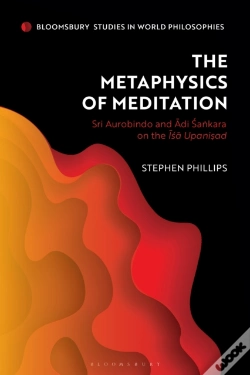
Metaphysics Of Meditation eBook
Sri Aurobindo And Adi-Sakara On The Isa Upanisad
Livro
eBook
idioma: inglês
Editor:
BLOOMSBURY PUBLISHING, Janeiro de 2024 ‧
ver detalhes do produto
31,11€
10% DESCONTO
IMEDIATO
UVUxeE9GWkhUekV5UWpaV1VtZFJiRTlyT0Rsc1VEYzNSbkJGVXpkMk5rSmlZMjlhVkUweWRIZE9abXhvYzBjMGFGcEhjVGhuYkhjd2R6WjRTRWgwVkVaaE9HWlRRMUUzVTJ0dVJXTnVkVUZETkRKS1EzZE9OR1JLYkRCTGMySXJaR2xrWmxKVVJGaENXbEJpZDJ0UVJsWlJURlo2UkVnNVJubG9SRkV5Y0hoc2ExZEVSazV0U0RWcVpETm1SbGRITnpKamVqUlFNVFF2Y1ZGeGFUVnpaRmMzVnpCdlFrUkJibU5VVkRoaFZFNUdOV2N6VUVkTVlrRkRlV1ExUTBnMVZsRkdlVWRYVFhVMmRuQnlaa05GU1VkVlZWRkpXRmh3VG1kVFNWSjZhRVpRYVhSNk1XczFUbEo2VVZOMWVWUkxRVGMwYnpSTWVFSklka1ZKZERCMVNWSllRamx6WVhwWGNGcFBkbk4zVlVoRFdXNUpZa1pIUjBKYWFIUkVUa3c1Um5SbWJtWkRVSEYxYURkTGFXbEZVamhqUVhGRk5HdENWREJCWm05aGJ6ZHJNakJYVUVRNU1tOTJWRXRPVG5sUU1WWjFja0oyU2xWVFRYZzBValZTV2xaMllYbHBkMXBDVTNWc1luaGhaa3QyVmt4TFlteDBVa3BOZVhWek0zaFBibFlyTDBaU1owMWpOamhqYXk5c09FbFFURmgxYjA5YVlXRnJPVVJYZDIxV1FsRkxORU00ZW5ZeU9HTnJlVmx2ZEU5d0swTnZhalpuYm1FNVlXOTZjalJQVGtaT1l6bHdia2wzVGpKUVluTk5ibXBMY2sxaWFHbEhibVkxYVRSVGFVVmtVMmRoUkc1clNTdHZkalkxUm5RdlJHWjFTa2xLTlZaTU4xUkVhRXhhWmxac1FUVXhXbk5FUldnclZtNXpTWFpqUmtNNFdtRnhlV3RuYmtjclYyMXBjak5PYkVST2NGbGxTMFZSTTBSWE9VRmhNMmQ1VFdNek56QXJZbWx6OnZTTEtra3YvQTZ4UDJkdlk3bXdqUnc9PQ==
DISPONIBILIDADE IMEDIATA
Ebook para ADE
SINOPSE
In this book Stephen Phillips focuses on one of the most important poems about meditation in world literature, as understood by two of the greatest philosophers of India, one classical, one modern. Sankara''s commentaries on the Upanisads are a core of the Vedanta tradition and Aurobindo is a towering figure of 20th-century Hindu thought. This is the first time their approaches have been studied together.
The Isa (c. 500 BCE) an "Upanisad" belongs to a genre of "adhyatmika" learning-concerning self and consciousness-in early Indian literature. According to the Ancient Indian tradition of yoga, meditation is antithetical to willful bodily and mental action. Breathing is all you do. In the conception of the Isa Upanisad, we are told that the best that comes from meditation is because of what the "Lord" is. In Sankara''s interpretation it comes to block out the little "you," whereas according to Aurobindo it comes as a divine connection, an occult "Conscious Force" belonging to truer part of oneself, atman, and an "opening" to that self''s native energy.
Framed around Aurobindo''s translation of each of the Isa''s eighteen verses, along with a translation of each verse, Phillips follows a different reading of Sankara as laid out in his commentary. All this is done against the backdrop of modern scholarship. Convergences and divergences of these streams are the focus throughout. Appendix A presents the Upanisad with the two readings side by side.
This book traces a worldview and consonant yoga teaching common to two authors who are typically taken to be oceans apart, not only chronologically but in intellectual stance. Addressing a huge gap in the contemporary literature on meditation in the Hindu traditions, Phillips presents a compelling new way of thinking about meditation in the Advaita Vedanta philosophy and Upanisad.
The Isa (c. 500 BCE) an "Upanisad" belongs to a genre of "adhyatmika" learning-concerning self and consciousness-in early Indian literature. According to the Ancient Indian tradition of yoga, meditation is antithetical to willful bodily and mental action. Breathing is all you do. In the conception of the Isa Upanisad, we are told that the best that comes from meditation is because of what the "Lord" is. In Sankara''s interpretation it comes to block out the little "you," whereas according to Aurobindo it comes as a divine connection, an occult "Conscious Force" belonging to truer part of oneself, atman, and an "opening" to that self''s native energy.
Framed around Aurobindo''s translation of each of the Isa''s eighteen verses, along with a translation of each verse, Phillips follows a different reading of Sankara as laid out in his commentary. All this is done against the backdrop of modern scholarship. Convergences and divergences of these streams are the focus throughout. Appendix A presents the Upanisad with the two readings side by side.
This book traces a worldview and consonant yoga teaching common to two authors who are typically taken to be oceans apart, not only chronologically but in intellectual stance. Addressing a huge gap in the contemporary literature on meditation in the Hindu traditions, Phillips presents a compelling new way of thinking about meditation in the Advaita Vedanta philosophy and Upanisad.
DETALHES
| Propriedade | Descrição |
|---|---|
| ISBN: | 9781350412422 |
| Editor: | BLOOMSBURY PUBLISHING |
| Data de Lançamento: | Janeiro de 2024 |
| Idioma: | Inglês |
| Páginas: | 248 |
| Tipo de produto: | eBook |
| Coleção: | Bloomsbury Studies In World Philosophies |
| Classificação Temática: |
eBooks em Inglês
>
Ciências Sociais e Humanas
>
Filosofia
|
| EAN: | 9781350412422 |
LIVROS DA MESMA COLEÇÃO
-
10%The Influence Of Averroes On European ThoughtBLOOMSBURY PUBLISHING PLC35,27€
39,19€portes grátis -
eBook10%Influence Of Averroes On European ThoughtBLOOMSBURY PUBLISHING31,11€
34,57€
-
10%Trauma-Informed Practice In Montessori ClassroomsTAYLOR & FRANCIS LTD209,26€
232,51€portes grátis -
10%The Nyya-StraHACKETT PUBLISHING CO, INC27,03€ 10% CARTÃOportes grátis