






adicionar à lista de desejos


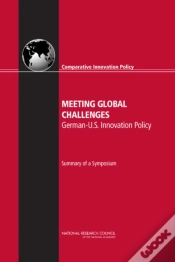
Meeting Global Challenges eBook
German-U.S. Innovation Policy: Summary Of A Symposium
idioma: inglês
Editor:
NATIONAL ACADEMIES PRESS, setembro de 2012 ‧
ver detalhes do produto
3,17€
20%
DE DESCONTO IMEDIATO +
5%
CARTÃO
U0doeFNFTk1SWE5hY0hCd01IWlJRbmxpVTB4bmVFaHdjalpLZFZGUU1uWTVZbmw1UkRoUVpYSXZTRGx3WjFOeWFVNHhTbUZPTTNSRGVWUjJXSGc0ZUZCS2NqRjZXRzh6TjFaaVQwcDJkMFF6ZUVaaFJHZE9OSFp4Um5oQlFtd3ZkRlJ1YW5vclF6UlJSMVk1ZEUxSE4wWm5VVUZFUWs0Mk9ITkhkR2xVTUVsdmFGUlNjV1U1UVRoSE9IQXlWR0ZGTDBGS2NWZFdVbUpFVFhKSlNXMVhSbWQyTkcxaGQzVlFVWGR2TUdReE5uWmlVbTAyY21sbWFVUkthV3N6V0ZaRFdIQlJTV3h3UVZrM1lVMHJaMlYxYUVOcVEyWlRRbGx3VEZkUFR6SldkSFoyWjNaQkswNXBVMU14VmtVd1RGbEhkV2hUYjFCVWNFOUdWRlZsTjJ4SFZGSnRZVzAwUVRaUlFVdGFjRzlVZWpSM0x6azFia2xYWVZGdk4wRjJPR2hSU0VSS1dHTkRVelJIYUVwdmMwYzVLMEkxVjBaclFYRk9SMGhFZVVKSlNqTXlZVUowVVVZeloybE9jblZuVWtobVVEQkJWbFpKWlRWT1JXdzBWRXR3YWxORGR6Tkhla2RyTDNJeVoxVjBNVVpwSzBwMlprTmphMEZXVlVSd2VEQllSSHB3VHpCd1ZIb3pjR2t2WlhRM1dtUXJjM1ZJVnk5T1NHbDJRV05LUW1KcksyOXpTaTgwU0hCRVJuQjZaMFZ1TUdKdGRrMHhlRUZYTWtWblozTXhVMkp3WWtOR015OHdaVVZvVmtJMmQxcERRblIxV1UxQ01rbFhWV1YwYzJ4eGJsQlFka2RDWVhWYVZVRnhNbWxIVFZGb1JrTmtTRFZpUkN0VlJYQTJaVU51ZUhkc2VXbERTV0ZKTlU4d1Ixa3JRVTAxTDBSR1pGUmFVRFZRT1dWWVREQnVVRzVuWmtaUGFFbEZOazFLTTNGUVpHRkZRMWRYUWpCNGEzTXJRa0p3VkRRMFluRnVORXh3UkVaaFRUY3hSbnAyU25KTlNXbDNNRE5JVm5GUFlrMUZNR1ZKVjJ4eU5XTk5TVnBNWjFGaU1sbzFVRlEyZDNsR0sycEphWEZwWkdWblRrVlNNeXR6V1d0dFVsUnlSMlJHTkRWRVJsVjFaa3RxVTNkRGVWVk5kSFY0YWtWb1NWbE9UM0pSTUdONmVsSnVXWG8xZWpoTFJsUjRWa013ZURKVlNHZDBVVXMzVmxadlVuSjBTRFl6YlZkck9WUnRPRFptZUhobVNtUjFka2h4WlhWVlFuTnhURUpKUFE9PTpTUU5uaEtHaWp3eDNycnlueDFTT2dBPT0=
DISPONIBILIDADE IMEDIATA
Ebook para ADE
DOMINGO DIGITAL – VER MAIS ARTIGOS EM PROMOÇÃO
SINOPSE
While nations have always competed for territory, mineral riches, water, and other physical assets, they compete most vigorously today for technology-based innovations and the value that flows from them. Much of this value is based on creating scientific knowledge and transforming it into new products and services for the market. This process of innovation is complex and interdisciplinary. Sometimes it draws on the genius of individuals, but even then it requires sustained collective effort, often underpinned by significant national investments. Capturing the value of these investments to spur domestic economic growth and employment is a challenge in a world where the outputs of innovation disseminate rapidly. Those equipped to understand, apply, and profit from new knowledge and technical advances are increasingly able to capture the long-term economic benefits of growth and employment.
In response to this new, more distributed innovation paradigm, the National Academies Board on Science, Technology, and Economic Policy (STEP) convened leading academics, business leaders, and senior policymakers from Germany and the United States to examine the strengths and challenges of their innovation systems. More specifically, they met to compare their respective approaches to innovation, to learn from their counterparts about best practices and shared challenges, and to identify cooperative opportunities. The symposium was held in Berlin and organized jointly by the German Institute for Economic Research (DIW) and the U.S. National Academies with support of the German Federal Ministry for Education and Research (BMBF) and the American Embassy in Berlin.
Both U.S. and German participants described common challenges on a wide variety of issues ranging from energy security and climate change to low-emissions transportation, early-stage financing, and workforce training. While recognizing their differences in approach to these challenges, participants on both sides drew out valuable lessons from each other''s policies and practices. Participants were also aware of the need to adapt to a new global environment where many countries have focused new policy measures and new resources to support innovative firms and promising industries. Meeting Global Challenges: U.S.-German Innovation Policy reviews the participants meeting and sets goals and recommendations for future policy.
DETALHES
| Propriedade | Descrição |
|---|---|
| ISBN: | 9780309263603 |
| Editor: | NATIONAL ACADEMIES PRESS |
| Data de Lançamento: | setembro de 2012 |
| Idioma: | Inglês |
| Páginas: | 240 |
| Tipo de produto: | eBook |
| Formato e Compatibilidade: | PDF para ADE |
| Classificação Temática: |
eBooks em Inglês
>
Ciências Sociais e Humanas
>
Sociologia
|
| EAN: | 9780309263603 |
-
Scaling Program Investments For Young Children Globally10%NATIONAL ACADEMIES PRESS43,26€ 10% CARTÃOportes grátis
-
Hearing Loss And Healthy Aging10%NATIONAL ACADEMIES PRESS40,56€ 10% CARTÃOportes grátis
-
Flexible Electronics For Security, Manufacturing, And Growth In The United States10%NATIONAL ACADEMIES PRESS41,91€ 10% CARTÃOportes grátis
-
Aeronautics Innovation10%NATIONAL ACADEMIES PRESS67,59€ 10% CARTÃOportes grátis
-
imagem não disponívelReference Manual On Scientific EvidenceReference Manual On Scientific Evidence10%NATIONAL ACADEMIES PRESS115,59€
128,43€portes grátis -
The Emerging Field Of Human Neural Organoids, Transplants, And Chimeras10%NATIONAL ACADEMIES PRESS40,56€ 10% CARTÃOportes grátis
-
Meeting Global ChallengesNATIONAL ACADEMIES PRESS50,02€portes grátis
-
Rising To The ChallengeNATIONAL ACADEMIES PRESS74,35€portes grátis