




adicionar à lista de desejos
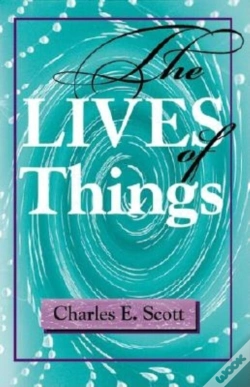
Lives Of Things eBook
idioma: inglês
Editor:
INDIANA UNIVERSITY PRESS, junho de 2002 ‧
ver detalhes do produto
10,59€
10% DESCONTO
CARTÃO
UlVzMlpXOXpTa1pJYm5KTk9WQm5lSFZIS3poUmQxcFJRbkl3U2xoelkzcHFXVFZoVjBKWFRFUTBPSFZ3YTBsQlF6TkdORzF5UlRacFlXNU5lVzUzVmlzeFRXVklOVXQ0VVhCUlFVeE5jVmczTDBjMldXRkNVMWxRYkVkRE5ITjNObWxNU0ZaRmFHOUVjSGd3UTFkelZEZDJOWFlyZERGcmJtOHZUME40U2tGTWJVdENOVmxwTUU1UlUxaHpiU3RqVFRaRldpOVJUVWxrVXpOeVpqUnlNbnBVTjFWaFVYRkpjM0JMVTFkT05FOVRObVF6WTJOMGQwSlBNRVZVTlZWSVJqbDVXVmhYZWxoWlJUVTFUekpxYTNwbmJtMXlXRlJIY1dRelFtMWFZVVpzVEhaaVZuaGxjU3RvTlhkSlFrWjJPV0ZQVTNjMVVuWXhZMUozZVVsdmRGRldNRWd5Um01d2JtdGxWbXhIVERoRVlrMXhhR00yYkROdFFtVkdhemRXVjI1QmVIZEtOVXhwUVVSclRWZzJSbnBKUzBrck5HOW5hMjFDY1ZOaGVFZFhabnBzYkRKRVducEtOeXRJTmxSNWRFWTVVRkY0YWxsaGNFMXVla2w1TDBSQ1dIWmliSEZITUVoWk1XZElRa2N3UkVsWWIzSTBhaXRsV21rM1oxQlVUMVowYkRoWFNtRjFlRkkwVG5Fd1ptcEplRzQ1UWpOT2NVRTFSMDFpZDJNM1FrMTZXbkJzY1ZReWFIVXJSQzlQU2preWMxRk5TRmhpV1V0dWJqWldhemRSUkZKNFluQmFRemd3UlVReGMwRjNTbkJCZDBwWFFYUkVSbUpoY2psVmNFWjFlbUZrU0RGcmVHMTJSbTk2VVdSS1JsZGpkalJYVW5WRVJqRkhNMWswTW5oM1NqTkZRbm93VW5aUU5uTTNaa1pUU25GVVdVdENZWHBsYlVsRU56TkVTR0pPTDJZd2JFZHFVR3BPV1dOS2NXWm5ja2czWlRodVl6ZFNSazh4V0hoS1N6bDVjRTE2TVc1M1JXcEdTbmxxYlRCa1draHRVU3RRU25FdmJVTjZTMU40TUdFNVJIUnFiMjVHZFZGRk1WTjZNSFV5VjI1MFFWZFBTRlZqYjFGQ1FVTXdabEpLU21WTmRVdGplVmgzYjJVM1RXMVBXak4wVXk4d2JUTjVja0ZZTWt0SWIyUlRPVTF4Wm5wQ2JtZGlia1JQY0U1NGNVcGFTbVoyUlZCdGVVOVFXbGx1V0dSalowTmxlamw1YUZGck4ySkdOa3RHVDNWT2MxVnZOVXR0VlV3M016UkNSMmgzUFE9PTpyQkhlZlRBY05VY0RaVUdIdlhzRXR3PT0=
DISPONIBILIDADE IMEDIATA
Ebook para ADE
SINOPSE
"[Scott] argues that things have lives beyond our cognitive grasp but are nonetheless formative of memories . . . thought, language, and action" (Choice).
In The Lives of Things, Charles E. Scott reconsiders our relationships with ordinary, everyday things and our capacity to engage them in their particularity. He takes up the Greek notion of phusis, or physicality, as a way to point out limitations in refined and commonplace views of nature and the body as well as a device to highlight the often-overlooked lives of things that people encounter. Scott explores questions of unity, purpose, coherence, universality, and experiences of wonder and astonishment in connection with scientific fact and knowledge. He develops these themes with lightness and wit, ultimately articulating a new interpretation of the appearances of things that are beyond the reach of language and thought.
"Like Foucault and Levinas before him, though in very different ways, Scott makes an oblique incision into phenomenology . . . [it is] the kind of book to which people dazed by the specters of nihilism will be referred by those in the know." —David Wood
"Refreshing and original." —Edward S. Casey
"This new work situates Scott . . . as a leading American scholar in the Continental tradition. In this important new contribution, he argues that things have lives beyond our cognitive grasp but are nonetheless formative of memories (biological, institutional, and cultural), thought, language, and action. Scott’s argument underscores the importance of the physicality (phusis) of things, which has been sidelined in philosophical thought. Dewey’s and Heidegger’s consideration of physicality and the relation between the pragmatist and Continental traditions are built on to develop an account of phusis that emphasizes animation, lightness, density, and the thereness of physicality. Scott’s analysis of density, luminosity, and physicality in Foucault’s and Heidegger’s work and of the displacement of subjectivity is incisive and critical. His final chapter on nihilism is a significant contribution in rethinking nihilism’s negative connotations and resituating it as allowing for a multiplicity of discourses, for regions of recognition, and for life-affirming experiences. Scott’s wit and personal experiences are woven throughout the text. Highly recommended for upper-division undergraduates through faculty." —N. A. McHugh, Choice
In The Lives of Things, Charles E. Scott reconsiders our relationships with ordinary, everyday things and our capacity to engage them in their particularity. He takes up the Greek notion of phusis, or physicality, as a way to point out limitations in refined and commonplace views of nature and the body as well as a device to highlight the often-overlooked lives of things that people encounter. Scott explores questions of unity, purpose, coherence, universality, and experiences of wonder and astonishment in connection with scientific fact and knowledge. He develops these themes with lightness and wit, ultimately articulating a new interpretation of the appearances of things that are beyond the reach of language and thought.
"Like Foucault and Levinas before him, though in very different ways, Scott makes an oblique incision into phenomenology . . . [it is] the kind of book to which people dazed by the specters of nihilism will be referred by those in the know." —David Wood
"Refreshing and original." —Edward S. Casey
"This new work situates Scott . . . as a leading American scholar in the Continental tradition. In this important new contribution, he argues that things have lives beyond our cognitive grasp but are nonetheless formative of memories (biological, institutional, and cultural), thought, language, and action. Scott’s argument underscores the importance of the physicality (phusis) of things, which has been sidelined in philosophical thought. Dewey’s and Heidegger’s consideration of physicality and the relation between the pragmatist and Continental traditions are built on to develop an account of phusis that emphasizes animation, lightness, density, and the thereness of physicality. Scott’s analysis of density, luminosity, and physicality in Foucault’s and Heidegger’s work and of the displacement of subjectivity is incisive and critical. His final chapter on nihilism is a significant contribution in rethinking nihilism’s negative connotations and resituating it as allowing for a multiplicity of discourses, for regions of recognition, and for life-affirming experiences. Scott’s wit and personal experiences are woven throughout the text. Highly recommended for upper-division undergraduates through faculty." —N. A. McHugh, Choice
DETALHES
| Propriedade | Descrição |
|---|---|
| ISBN: | 9780253028273 |
| Editor: | INDIANA UNIVERSITY PRESS |
| Data de Lançamento: | junho de 2002 |
| Idioma: | Inglês |
| Tipo de produto: | eBook |
| Formato e Compatibilidade: | |
| Coleção: | Studies In Continental Thought |
| Classificação Temática: |
eBooks em Inglês
>
Ciências Sociais e Humanas
>
Filosofia
|
| EAN: | 9780253028273 |
| Acessibilidade: | Ver características de acessibilidade indicadas pelo editor |
LIVROS DA MESMA COLEÇÃO
-
Holderlin'S Hymn "The Ister"10%INDIANA UNIVERSITY PRESS37,84€ 10% CARTÃOportes grátis
-
Pathos And PraxiseBook10%INDIANA UNIVERSITY PRESS38,15€
42,39€
-
The Lives Of Things10%INDIANA UNIVERSITY PRESS20,27€ 10% CARTÃOportes grátis
-
Telling Silence10%State University of New York Press97,70€ 10% CARTÃOportes grátis