


adicionar à lista de desejos
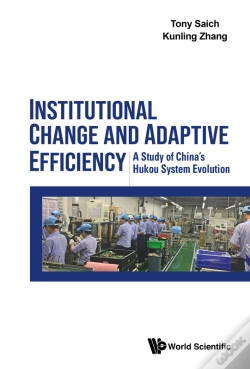
Institutional Change And Adaptive Efficiency eBook
A Study Of China'S Hukou System Evolution
idioma: inglês
Editor:
WSPC, novembro de 2023 ‧
ver detalhes do produto
67,23€
10% DESCONTO
CARTÃO
TlRNeU5TOUxhM2xZVHl0S1ZDdEhRbFl6VFdKTk0zTnBPWEZZU0VsbU5saGFTMDExTTNKUlJESjNXbkZ0TjJsNFJWcDVPRGhHS3pNNE9UbG5iV3hEVW5BMVRGQnVTMUZWZWxORVduRXZOamhNYzNsQk5VY3djbGR2Y0VNNVUybzFiRlJ6Vmtvek5IVXJWekkwV1ZkSWMxUXJhRU5WYmpGTU9FWmthMHAxTURGQlprdEllbTB2YjBWd2EwNTVkRWxNYm5kSFkyUkRSemxuTTJWTlYwVTNiMUJLYUc5RlRFVnRTa04xUW1aa1JETnBRVlpTTlZkcWIyOXpkVkJrWkVaeVpsSmpPR3B5T1ZSdmMxTjJNMVoxVldVdmRqazFiWGRIY3pONVZVVnpTR015WWpVck5WcDVjSEphY2twVVpGWmtjRlpyUkhCV1ZFNDNiMUZxTTJsa2FUWlJNRTlVTW1sMUt6TkxZMGQzUVhFd0swb3pRbVp2UzJWNGNHRjRkME4zU3k4eFZIaDBkR3hJZFd3eVExcE9la3N3YjFKalEwUXJhQzlEYms4MVVFNVhVakJTY25OcGNtSjVRVE0wZVRGb1VUaG9WR2RZVlhKRGVrTm5jSEJXZDNFeVpFcDJRMjA0VFVSS2NIZE5WVE5hU0ZVd2FXWjRXRkZRZGxvcmFrMW5jREYwY20weU4zY3dVMjF5SzNSVlpHcGxjWEEzV0ZOV05XTkdSalE0TkZZclJVZzNlV0ZsUzFORWRtOXVUMlZwSzB0aVJtVlhlalJKTkV4YWFUVjJTWEJqU2xwT0szUnlNa1ZaV25CNFJVcHVWVGc0Tm1aMVZ6Sm9iaTlMWW1OaU5HOVJVMFpFUm5kVVpGbDRWVUpKZUdOdk1VSjRSVFlyZUd4TGNqbFpaR2hOTlVGTmEwaDRNRW8xZUZSWlkzbE1TMmwwU2tVMmNqSmlUWGxUT0VwSVJua3ZSamsxVFhwMWRUUm1RWGhuTlVJNGFrSkRXSFZWV1hZeU9UbE1lbE5CTVU5aFVUSnpOVkZ0UXpoNmNUUjZXbVUyTmxWa2VsSjRXU3QxVVRsS1lqWnRLMHBZUW5GVVZsWnZTalF6TW1vMk0zUlFRMFYwZUd4dlV5dHhiSGgwVGxjNVpGbEZjMVY0ZWxWbFlVaGlkMU14Y0ZZMVlUSTFkVVFyTTBaSlExWkNkblZGYkVKMk4yeFdRMU5pTW1oUldsZExlblZKYlc5S1JUazNLMUZZZWpOVlJVTkZUWGhYTHl0WmRqY3ZkSFpaZW1aNmNYVk1Ua2hXWjNkYVNteDJaMjU2YVdwV1oyWklZMVYzUFE9PTpTQ0V5VytVbnkrVVZhVm1pTjBnTWV3PT0=
DISPONIBILIDADE IMEDIATA
Ebook para wook reader
SINOPSE
Since the 1990s, neo-institutionalists have posited that 'institutions matter'. However, they overlook one important issue: the ways institutions change also matters. Numerous academic studies have identified 'good' and 'bad' institutions, but little has been written about effective methods of transforming 'bad' institutions so that they enhance economic performance. To fill this gap, this book reframes the approach of neo-institutional economics to analyze institutions' role and evolution, focusing on the interaction between the household registration (hukou) system evolution and economic transformation.
The authors apply an endogenous and dynamic perspective. First, the theory of endogenous institutional change illustrates how the drivers of hukou system evolution differ in the pre-reform and reform eras. Second, the theory of adaptive efficiency evaluates the evolution of the system's institutional efficiency. Finally, the authors were able to test the impact of the hukou reform on urban economic growth by examining local experimentation, helping explain the current 'stickiness' of the system.
At the heart of hukou reform lies the question of how to deal with the link between hukou and welfare provision. This book will offer policymakers a better understanding of institutional change in dynamic economic contexts, helping them enhance economic performance.
Contents:
- Introduction:
- Why Does theHukou System Still Function Well
- Hukou System in the Current Literature
- An Institutional Paradigm
- Manner of Evolution ofHukou System Matters
- Institutional Change and Adaptive Efficiency:
- Hukou System as an Institution
- Institutional Change
- Adaptive Efficiency
- Linking Endogenous Institutional Change with Adaptive Efficiency
- Hukou System Institutionalization:
- Hukou System on the Eve of Large-Scale Industrialization
- Hukou System and the Planned Economy
- Exogenous Institutionalization of theHukou System
- Impacts of the RigidHukou System
- Hukou System Reform and Economic Transformation:
- Hukou System on the Eve of Reform
- Hukou System and Economic Transformation
- Endogenous Reform of theHukou System
- Hukou System Persistence and Decentralization:
- Local Practices ofHukou System Reform
- The Case of Zhengzhou
- Changes in the Relationship BetweenHukou and Welfare
- Adaptive Efficiency of the Evolution of the Hukou System:
- Hukou System's Adaptive Efficiency before and after Reform
- Measurement of theHukou System's Adaptive Efficiency
- Hukou System Reform and City Economic Growth
- Conclusion and Discussion:
- Major Arguments
- Path to Enhance Adaptive Efficiency
Readership: Researchers and practitioners in the fields of public policy. Graduate and undergraduate students engaged in China Studies; Readers interested in the development of China.
Key Features:
- This book analyses reforms in Chinese institutions by linking endogenous institutional change to adaptive efficiency
- Provides locally experimented results to study the impacts of the reforms on economic growth and welfare provision in rural and urban China
DETALHES
| Propriedade | Descrição |
|---|---|
| ISBN: | 9789811278488 |
| Editor: | WSPC |
| Data de Lançamento: | novembro de 2023 |
| Idioma: | Inglês |
| Tipo de produto: | eBook |
| Formato e Compatibilidade: | |
| Classificação Temática: |
eBooks em Inglês
>
Política
>
Política em Geral
|
| EAN: | 9789811278488 |
-
10%From Rebel To RulerHarvard University Press28,32€ 10% CARTÃOportes grátis
-
10%The Chinese People'S MovementTAYLOR & FRANCIS INC64,88€ 10% CARTÃOportes grátis