


adicionar à lista de desejos
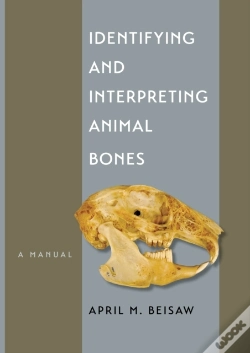
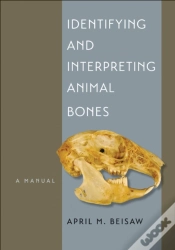
Identifying And Interpreting Animal Bones eBook
A Manual
idioma: inglês
Editor:
Texas A&M University Press, outubro de 2013 ‧
ver detalhes do produto
30,46€
10% DESCONTO
CARTÃO
YmxCUlIwTmFSSGRLZVVKeWNIZHJWa1pqVUVORk9YTk1RMlJrWm5CTllWa3hiaXRZYVVoRmVqUnBiakZoVERSdWRsUmFlRWhaTW1SSFJXcDVhakFyWml0NFpsRmhUWGxUTjB0eGIwOWtlVnBuWjJVMlVEWnliVFJ4Tm01NWVEZzJjWFJWWkM5c2VuVjFVVUpVVkVGQlJIUldkalZsYkdkelFYQkVjalpIV0VwSFYzbE5UbVpZUm5KT2NXdHhPRUpzSzJ0UmIwSXdhRkJPVmxveGIxcFhaMlJOUmpaRksyaHVjMlJ0VUc5R2VHcHNMM0ZYVWtKSVlpODJhVnA2Y0N0RmIxUk9kQzlLVDFCeWEzZGxSM1JYTlZSU1ozUjVkeXREY2tORVozbHdWREpvWjBrMVZXVkVURXd4Wm05c1JsQk5aVWhPV0ZkVFNrZHRVbEJHTjBSWVNFNXFVMFZhTVVsa2NsaExVSE5RWkdndmExWTJRME5NVm14alJHdERPREoxYms1R1RtcERhRVJCV214Uk5VWnZRMk5CTmxabVoyaHpjVXBIZGs1MmRUazNZVzFXU1VaV1dXWmtWalkyZEM5MUwwWnZTSFZqVVRneVZUSTFURGd6Vmt0TlVsa3ZiRk5vTUc5R1pYQm9VbmhHVUZkUU9UUjZaSGhNTW1KWk1YcEtUVVkzVkdGVFdWTm5hazFRV2xOc1RFNVFPVk5TWWtKak4zUkZUalF2UjFkWE0yRkRLMGx4ZGk5UmVsaFJLelJ3UTB3NGQwbFJZUzlMYW5vNWRsRkVRbkJuWmxaM1FWTndaalYxWmtaMlVXbENiWEZTVUVWb1ozVmhhRTQxUzNjemNsVm9lSFZYYTB3emFqWnJSbTB6ZVVGck1YWlFPWHBTZVZwNE9VWXZNV1ZHVVd3ellsQk9VR3RhVjA1RWJXMVpVbVo0TjFsckx6aFhURmw2UlVGMFprMVJVRVEzVEhwTU0zaFhTM1ZrVjNCeGRsVlBlak5GTDBad1JXTk5NMVp0TlU1eldGVlVMemxXV2psRU0wbEdXV3RyWTFsbGRrUXdWVGN4ZERoWlQxTm5TR0U0YVROMllYUldNbXRFWVhZMFIwRk1VV0V3WjBsNmMwWkJjeXRvTVRKWFVtdERNMmhHTkhJNVpqaFFZVlJwZVZKSlRYRkdkVlJHV1VwdGFFNXlkR3BwUzJ0MWFEZEhMMkV5V1d0aFozSkxWVEpuUzI1WFlVTlJkamRJV1cxQ1YwaDViRGhWTTBoMVNsZ3lhRUpLY2tWT1FraFhTVFYzZG5CTmJsRjFRemsyYnk4ekwxSmtTMU5qUFE9PTpQd0R4QWNMUTB4aEphREVrVXFGTFRnPT0=
DISPONIBILIDADE IMEDIATA
Ebook para ADE
SINOPSE
Offering a field-tested analytic method for identifying faunal remains, along with helpful references, images, and examples of the most commonly encountered North American species, Identifying and Interpreting Animal Bones: A Manual provides an important new reference for students, avocational archaeologists, and even naturalists and wildlife enthusiasts. Using the basic principles outlined here, the bones of any vertebrate animal, including humans, can be identified and their relevance to common research questions can be better understood.
Because the interpretation of archaeological sites depends heavily on the analysis of surrounding materials—soils, artifacts, and floral and faunal remains—it is important that non-human remains be correctly distinguished from human bones, that distinctions between domesticated and wild or feral animals be made correctly, and that evidence of the reasons for faunal remains in the site be recognized. But the ability to identify and analyze animal bones is a skill that is not easy to learn from a traditional textbook. In Identifying and Interpreting Animal Bones, veteran archaeologist and educator April Beisaw guides readers through the stages of identification and analysis with sample images and data, also illustrating how specialists make analytical decisions that allow for the identification of the smallest fragments of bone.
Extensive additional illustrative material, from the author’s own collected assemblages and from those in the Archaeological Analytical Research Facility at Binghamton University in New York, are also available in the book’s online supplement. There, readers can view and interact with images to further understanding of the principles explained in the text.
Because the interpretation of archaeological sites depends heavily on the analysis of surrounding materials—soils, artifacts, and floral and faunal remains—it is important that non-human remains be correctly distinguished from human bones, that distinctions between domesticated and wild or feral animals be made correctly, and that evidence of the reasons for faunal remains in the site be recognized. But the ability to identify and analyze animal bones is a skill that is not easy to learn from a traditional textbook. In Identifying and Interpreting Animal Bones, veteran archaeologist and educator April Beisaw guides readers through the stages of identification and analysis with sample images and data, also illustrating how specialists make analytical decisions that allow for the identification of the smallest fragments of bone.
Extensive additional illustrative material, from the author’s own collected assemblages and from those in the Archaeological Analytical Research Facility at Binghamton University in New York, are also available in the book’s online supplement. There, readers can view and interact with images to further understanding of the principles explained in the text.
DETALHES
| Propriedade | Descrição |
|---|---|
| ISBN: | 9781623490829 |
| Editor: | Texas A&M University Press |
| Data de Lançamento: | outubro de 2013 |
| Idioma: | Inglês |
| Tipo de produto: | eBook |
| Formato e Compatibilidade: | |
| Coleção: | Texas A&M University Anthropology Series |
| Classificação Temática: |
eBooks em Inglês
>
História
>
Arqueologia
|
| EAN: | 9781623490829 |
| Acessibilidade: | Ver características de acessibilidade indicadas pelo editor |
LIVROS DA MESMA COLEÇÃO
-
eBook10%Fathers And Their Children In The First Three Years Of LifeTexas A&M University Press66,25€ 10% CARTÃO
-
eBook10%Prehistory Of TexasTexas A&M University Press62,20€ 10% CARTÃO
-
imagem não disponívelTaking Our Water For The City10%Taking Our Water For The CityBERGHAHN BOOKS124,37€ 10% CARTÃOportes grátis
-
The Archaeology Of American ProtestsUNIVERSITY PRESS OF FLORIDA87,61€