





adicionar à lista de desejos

Human As The Other eBook
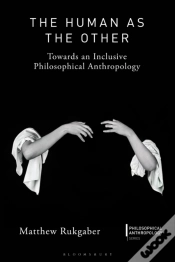
Towards An Inclusive Philosophical Anthropology
Livro
eBook
idioma: inglês
Editor:
BLOOMSBURY PUBLISHING, fevereiro de 2025 ‧
ver detalhes do produto
91,22€
10% DESCONTO
IMEDIATO
VGxGRVFtWnRXbTA1UjJ0QloyNUJVRE5EWmk5MFUwcDFiVFV4U1ZaRFFXOW1iRXBqSzJkNGFqUmtjbXN6U25WbFduSXdjelUxY0c5a1dVZE1XVWQxYkVWUWJqVlFRMWh2ZVdwNFEwOU5XVVF3VFVKVVpHMWtVR2xVTXpNdlV6TlpPVVowUmpWUlQwZFRPR0pETkUxSVkwNUliRmxxT0hKcWVYZEZNRlJSV1VSQ1lWVktMekp6VmpOc1dqWmxVR0ZXUkRGWFFsWlJObTlDUTNReFJVYzNXa2R5TWpSQ1RIaEdTRGczUm0xaFJUSjFMelp1VUdVMVlqTk5UMGh6YWtobmJYazVaMUFyVUZOMU1uQnJOMkY2T0U5ek9GWjRTVFZIY0dKREwwOVZjbWRHUTNwRmIxbEpVVTgwTlRoclVGRmpSakUyV1dWNFZHWXlRbkpvUjFoQ1ptVmthV2xPVDAxWGJYbElTVXh0TW5OV1UwZEdNM2d5WW5Sd0t5OXFLelpHVWtaT1ZEWmhOWE5FVlRKd1lVWkNUVVJLVUV0VlFuWmxSMjk0U0d0a1dHWllTMDFoY1hGUmJqVmhWako0TlUxYU5EZENTblEzWnpsWE9USk1TMGcxT1hwTlZqQkRia2R2VldSeGJIWnJPVzVFUldneldWSTRTRFp2Y1hGQ00xbFBja2RvY2toVE4wZENVa0ZPZEhaM2MwWk9hekE1TTNVNGVsTlZUakYxWldaUk5GbGhZMDVNTkRScE1WRjROa2tyZW1kT1pVSnRhSHAyZVhCQmFUbERRVGhrUzJRclMydFdOMDlIVkcxV1NWbHVlVEF5Y1VwcVdWQTBVRVZyUm5aeFQxTnJjM1JTYlVSVVNEVTRNMVU0S3pGbFRqWnlZakJtVTNablZIUlpkVVpsU2tveWFEQnJWbVZPUkM4MVpraDVRekl6UzJsYVVGZHhTR3R2YlZOTmExaGpkMHc0WlhVeWJWTXhaM0JaTkVKWmFtUkZkV3MwZWxSMVQxbGhaM0pQOjlOb2l3S3U0UXBhdGJrUTQxVWFxcXc9PQ==
DISPONIBILIDADE IMEDIATA
Ebook para ADE
SINOPSE
Philosophical anthropology investigates what makes us human, but it has produced accounts that exclude some members of our species. It relies often on non-naturalistic "philosophies of consciousness" that locate humanity in the cognitive capacity to objectively represent things, to reason teleologically and use tools, to use symbols and language, or to be self-conscious and question existence. This work pursues an alternative, thoroughly naturalistic philosophical anthropology by combining Arnold Gehlen''s theory of our behaviorally-detached and institutionally-structured impulses with Maurice Merleau-Ponty''s views on intersubjectivity, affect, sexuality, and social institutions. It locates the human within the unique structure of our capacity for feeling, which produces an inclusive account of "the human as the other" or Homo alter.
Humans are deeply and thoroughly dependent on affective, bodily, communicative bonds, in which other humans appear as sources of pleasure, communicative meaning, institutional norms, and interpersonal approbation and disapprobation. However, this socio-biological account of the human denies that human nature alone can prescribe the necessary form of institutions, such as the home, which is a criticism of any potential "political anthropology." A result of this focus on our social and affective natures is a novel account of shame as a response to institutional and interpersonal exclusion. Failing to recognize humanity within our dependency on others and the structure of feeling is a widespread problem in philosophy and society in general that contributes to the social and metaphysical exclusion of disabled persons, who might lack certain forms of consciousness and cognition. Reimagining philosophical anthropology as the study of the unique way that human beings are socially present to one another, this work challenges such dehumanization.
Humans are deeply and thoroughly dependent on affective, bodily, communicative bonds, in which other humans appear as sources of pleasure, communicative meaning, institutional norms, and interpersonal approbation and disapprobation. However, this socio-biological account of the human denies that human nature alone can prescribe the necessary form of institutions, such as the home, which is a criticism of any potential "political anthropology." A result of this focus on our social and affective natures is a novel account of shame as a response to institutional and interpersonal exclusion. Failing to recognize humanity within our dependency on others and the structure of feeling is a widespread problem in philosophy and society in general that contributes to the social and metaphysical exclusion of disabled persons, who might lack certain forms of consciousness and cognition. Reimagining philosophical anthropology as the study of the unique way that human beings are socially present to one another, this work challenges such dehumanization.
DETALHES
| Propriedade | Descrição |
|---|---|
| ISBN: | 9781350438583 |
| Editor: | BLOOMSBURY PUBLISHING |
| Data de Lançamento: | fevereiro de 2025 |
| Idioma: | Inglês |
| Páginas: | 256 |
| Tipo de produto: | eBook |
| Formato e Compatibilidade: | |
| Coleção: | Philosophical Anthropology |
| Classificação Temática: |
eBooks em Inglês
>
Ciências Sociais e Humanas
>
Filosofia
|
| EAN: | 9781350438583 |
| Acessibilidade: | Ver características de acessibilidade indicadas pelo editor |
LIVROS DA MESMA COLEÇÃO
-
10%Communitarianism, Confucianism And The SelfBLOOMSBURY PUBLISHING PLC103,42€
114,91€portes grátis -
eBook10%Human As The OtherBLOOMSBURY PUBLISHING91,22€
101,36€
-
10%Space, Time, And The Origins Of Transcendental IdealismSpringer Nature Switzerland AG135,18€ 10% CARTÃOportes grátis
-
10%Nietzsche In HollywoodState University of New York Press97,70€ 10% CARTÃOportes grátis