


adicionar à lista de desejos
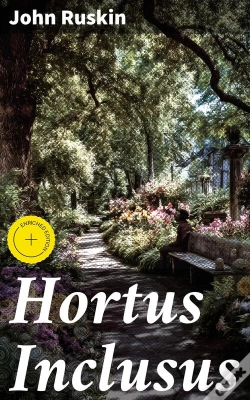
Hortus Inclusus eBook
Enriched Edition. Messages From The Wood To The Garden, Sent In Happy Days / To The Sister Ladies Of The Thwaite, Coniston
Editor:
Good Press, dezembro de 2019 ‧
ver detalhes do produto
0,99€
10% DESCONTO
CARTÃO
WWpoS2RsQkZjWGxITlZkWU1ERjNLemRTV25sV05WUnhOMDlhYTFsMGVHNWtURmR5VW5OTWIwc3hZVGxWY2l0cE1GQlJXa3M1YURKQk5FRTFOR1p2WmxZdk5FSndUVm94UjBGQ2VHVlJhR1ZwZEhsWVlqaHhXbFV2ZW5OWUsxRjFTemRxUVhkNVdHWm1aekV4VTFFd2NVaDZibmd6TDBRelNrcEJUMkpIVEc5WFJHSjFXVU50VEZFd1QySlFXV2haYWpCUU5FOTZTbTg1WkdoYU9GUkZWVmhDVDBoWGMza3diVVJQVlZOMFlXOVphQ3MwUlcxc1l6UktUa05zT1V4VlVpczFlUzgyZFhack5URm1ZWGM1TXpBMk9GbDNkRFp0UVRVeVQyaExlWGxqYUZkaGEzVmlVMU5vUTNjNE9EYzRlVXhPTlhFdldVRnpkRTlvUjNRMmVHMURjU3RZU2tkYU1VUXZWMFprUjNaYUszTXZVVVE1VHpSaVZIVXJNMFpHU21WQ1JIQjJaR0Z5Vm5odVJHVnJTbXNyU0ROemJYbE5hMDlZU0ZWdGRIb3dNVFp3ZVZWNGVEZEVkMGcwY1VoNmVuZDJZV2x2V0U5dFdrcDNjWEJ1Um5kRlJWbzVVbEV3ZFZaSWRtVXJhMjlQV0RCRlNDOWFMMUZ0TmxRM1MxUnNOVmRyY1VKYVRHWnZhR05YYkdGU2IybzFTV05EY0hJdloyZGtVU3RrWlhJMk56RnVSMjFWU1dJeVRtTm9PV2d2YlVrclZVNHdRakJxWmxWSlNVd3hXR1p0VEdOUWRIcGpVM2xtTm1oa09VczBhM0puT1RCYU4wUlZTRVpKVVhvMFQwNUZLeXRLUkdZMGFHcHRNbVI2YjJGblpFdGFkWGg0SzBKeVZqY3hRVFpDUjNRdmFGQjVhbGMzZVdacmFqSkRhV0ZJS3pWMmMweFFjMHBSU1cxbFJXNVFjbmN4ZVdSR2VXWTBkVzh3Vm5KR2JsSnRiWE5NUzNOc1F6aEhaa0phZGxGUVEwVnphVWh1VDJaRFV6a3hiRmhtTmpGRkswMVFVMUZsVXpGaGRDOHdiblZGWjFkMWMwNWFlWFkyVG01YVptSmxXRmd6THpNNVRuaHVla2RSVUV4dlJXaFhWbHAzVnpjNGF5dHRiMUZRYmtNcldHcFRaVUpyYVZkbVptVnVOVzlaY2xBdlpEWkJPVVpoYVU1amJGQnhMMWRMYXpCME5GWlVTRkJzTjIxdFptSTRZMjA1V2paRlJqa3hlblkyVG5BNGExSnJkME5pWTNkaVF6aG5ia2RLUlRkamJISnJSVVE0UFE9PTpiemNxMWpVUFZ0b1kzT1NDajJkdkR3PT0=
DISPONIBILIDADE IMEDIATA
Ebook para wook reader
SINOPSE
In "Hortus Inclusus," John Ruskin explores the intricate relationship between nature and human creativity, delving into the aesthetics of the garden as a reflection of the soul. The text comprises a series of poetic essays that blend lyrical prose with vivid imagery, characteristic of Ruskin's literary style. He employs an array of rhetorical devices, weaving together art, philosophy, and horticulture, to argue for the restorative power of nature and the spiritual significance of cultivated spaces. Written during the Victorian era, a time marked by rapid industrialization, Ruskin's work serves as both a critique of urbanization and a celebration of the natural world, urging readers to recognize the importance of preserving beauty in daily life. John Ruskin, a pivotal figure in the Victorian art and social critique movements, was deeply influenced by his early exposure to the beauty of nature, particularly during his childhood in the English countryside. His education in art history and his commitment to social reform fueled his belief that both art and the environment profoundly shape human character. "Hortus Inclusus" emerges as a culmination of these ideals, showcasing Ruskin's profound strive for environmental appreciation and aesthetic enlightenment. This eloquent work is highly recommended for readers interested in the intersection of art and nature, as well as those seeking to understand the historical context of ecological thought. Ruskin's insights into beauty, spirituality, and moral integrity make "Hortus Inclusus" not only a reflective read but also a timely reminder of our connection to the natural world.
In this enriched edition, we have carefully created added value for your reading experience:
- A succinct Introduction situates the work's timeless appeal and themes.
- The Synopsis outlines the central plot, highlighting key developments without spoiling critical twists.
- A detailed Historical Context immerses you in the era's events and influences that shaped the writing.
- An Author Biography reveals milestones in the author's life, illuminating the personal insights behind the text.
- A thorough Analysis dissects symbols, motifs, and character arcs to unearth underlying meanings.
- Reflection questions prompt you to engage personally with the work's messages, connecting them to modern life.
- Hand‐picked Memorable Quotes shine a spotlight on moments of literary brilliance.
- Interactive footnotes clarify unusual references, historical allusions, and archaic phrases for an effortless, more informed read.
DETALHES
| Propriedade | Descrição |
|---|---|
| ISBN: | 4057664598684 |
| Editor: | Good Press |
| Data de Lançamento: | dezembro de 2019 |
| Páginas: | 178 |
| Tipo de produto: | eBook |
| Formato e Compatibilidade: | |
| Classificação Temática: |
eBooks em Inglês
>
Literatura
>
Biografias
eBooks em Inglês > Outros |
| EAN: | 4057664598684 |
| Acessibilidade: | Ver características de acessibilidade indicadas pelo editor |
SOBRE O AUTOR
John Ruskin
Escritor, pintor, crítico artístico, professor e pensador inglês nasceu em 1819, em Londres. Filho único de um casal escocês próspero, desde cedo viajou por variadíssimas partes do mundo, desenvolvendo um aparente interesse pela arte e pela arquitetura. Sua mãe cedo o ensinou a escrever e a ler, sendo a Bíblia o seu principal texto de leitura. Desde pequeno se começou a notar em Ruskin uma notável genialidade. Só entrou no ensino público quando começou a frequentar a Universidade de Oxford, aí iniciando um sério estudo sobre arte. Embora considerado um dos maiores escritores da época vitoriana, Ruskin, ao morrer em 1900, a sua reputação de escritor e pensador morre também com ele, pois daí em diante o seu nome entra em declínio para muitos dos que o acompanharam na difícil sociedade do século XIX.
(ver mais)DO MESMO AUTOR
-
The Solitary Warrior10%TAYLOR & FRANCIS LTD38,93€
43,25€portes grátis -
The King Of The Golden River Or The Black Brothers10%PALLAS ATHENE PUBLISHERS18,24€
20,27€portes grátis