


adicionar à lista de desejos
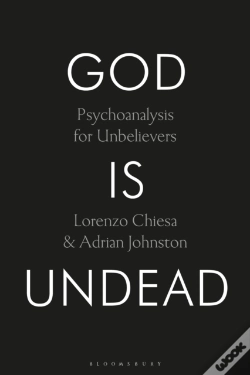
God Is Undead eBook
Psychoanalysis For Unbelievers
idioma: inglês
Editor:
BLOOMSBURY PUBLISHING, fevereiro de 2025 ‧
ver detalhes do produto
26,82€
10% DESCONTO
IMEDIATO
V1dWdVZsbzFkRFprWlhWcGFVcEdZWGhGSzBkbU5YY3lkMFY0ZEU5dVlXaFFkbFJ0YUd0cVYzZExkR0pGV1ZWeVpWWjBlbWRQZFhGa2RFMHJibkJvT0VOclFUYzBaMGh1ZVV0blQwUktZMVpNYjFWV2QzZHdaMUl2ZWk4clExRXlabXBDVm1WeGEzWmFjVlZCVmtGbmQyNXpVaTluYXpaRVV5dFJhbU5sZDFGcVMwdERjRFJNUzNGTWVIaFFOVU5KZUVoVVprcHVMMG96YTJRd056a3dVMnRGUmtwbVltMXVZWFZOTjNCc1lqaHFLMjEyVVUweGFEQnJXVEZ1TlRWR1VFNHpORkIwVmxnclUwWXdVRmczUVVwdlVFazJTakV3TVhZMVJqVlJlbmxQVWt4dWJGTTJXbXBqTUZSU1VqWTBSa0oyYkhSVWRsaEZUREV4Vm1kM1NHOU5lalZHUVVZeFZTOVZSRGh5VFdWSE1tMUxhbXBxY2s1dU1EWk1UWFJzVm1oalpFcDBlVGxPVWpZNFVtdHdablZ5Ym5jemIzcEdaMFZaYzNoM1ZVYzRZak5RUlhacEt6UTRhU3Q0ZDJZdldWcHFiVzlVZGtsWlN6WmpWeTlWUWxJek5scG5NVlpsZVV0elNVTkphWFp2ZEdGb01YVnNZa0ZoU25sNGVGVjVXRWRCVG5wUFNHUjFlbVozVUZNNVltcDNNSEprYXpseGMweHdPRE0wYlhVMWRtaDJMMEk1U1V0ak56ZFphVE40YW5Od1UxRnRPSFpJVVROT2JDOUNZa2hOVG1ReE5qTXJXa1ZzUmxkbEt6a3lkbFExY2pCTlp5dGFaRVowZW5WTWFrNWhhVk0zTm04MGVXNUZWWEZyUnl0SFJFOVRiMHRVYnpoMFFVSk1TbVZsUjNGeU1EbEpXbTF6ZUdWalVIQmxlQ3RyUzJkWE5pOTNibXhIUWpaNVFrUldVVGxzU1VVMVdXVkZRelY2YldzeU0yZGlTMHA1VjBWcWRHcFRhR1JVOjNoejdLWk01K0gzMWJHcEtvcm5xVUE9PQ==
DISPONIBILIDADE IMEDIATA
Ebook para ADE
SINOPSE
The undead are neither alive nor dead. They are animate yet non-living. In God Is Undead, Lorenzo Chiesa and Adrian Johnston contend that true unbelief today sees the divine precisely as exemplifying such undeath.
In God Is Undead, Chiesa and Johnston delve into and deepen the insights of both Freudian and Lacanian psychoanalysis as regards unbelief. This analytic perspective reveals that modern atheisms appealing to a scientific worldview as an antidote to orthodox religious faith end up as heterodox theisms of Nature, Reason, Knowledge, or even the Market itself. They ironically place new gods of their own atop the graves of the traditional gods of old. They likewise forget the religious influences underlying modern science.
One of the most important and novel contributions of God Is Undead is its gesture of dignifying unbelief as something that is able to contain multitudes. Far from a unified, homogeneous, and flatly bleak position, irreligiosity can come in many forms whose convergences and divergences contain possibilities for creatively thinking and living differently. This book shows such variegated non-belief in action. We have two unbelievers vigorously disagreeing with each other about fundamental ontological matters, thereby bringing to light critical questions going to the very heart of any unbelief whatsoever: Can an atheism, as thoroughly atheistic, ever believe in or be certain of itself? What is the role of agnosticism, and specifically of an agnosticism strengthening (rather than contrasting with) atheism, in all this? How might different unbelievers become what Freud calls "comrades in unbelief" without erecting new gods in the process?
In God Is Undead, Chiesa and Johnston delve into and deepen the insights of both Freudian and Lacanian psychoanalysis as regards unbelief. This analytic perspective reveals that modern atheisms appealing to a scientific worldview as an antidote to orthodox religious faith end up as heterodox theisms of Nature, Reason, Knowledge, or even the Market itself. They ironically place new gods of their own atop the graves of the traditional gods of old. They likewise forget the religious influences underlying modern science.
One of the most important and novel contributions of God Is Undead is its gesture of dignifying unbelief as something that is able to contain multitudes. Far from a unified, homogeneous, and flatly bleak position, irreligiosity can come in many forms whose convergences and divergences contain possibilities for creatively thinking and living differently. This book shows such variegated non-belief in action. We have two unbelievers vigorously disagreeing with each other about fundamental ontological matters, thereby bringing to light critical questions going to the very heart of any unbelief whatsoever: Can an atheism, as thoroughly atheistic, ever believe in or be certain of itself? What is the role of agnosticism, and specifically of an agnosticism strengthening (rather than contrasting with) atheism, in all this? How might different unbelievers become what Freud calls "comrades in unbelief" without erecting new gods in the process?
DETALHES
| Propriedade | Descrição |
|---|---|
| ISBN: | 9781350516076 |
| Editor: | BLOOMSBURY PUBLISHING |
| Data de Lançamento: | fevereiro de 2025 |
| Idioma: | Inglês |
| Páginas: | 320 |
| Tipo de produto: | eBook |
| Formato e Compatibilidade: | |
| Classificação Temática: |
eBooks em Inglês
>
Ciências Sociais e Humanas
>
Filosofia
|
| EAN: | 9781350516076 |
| Acessibilidade: | Ver características de acessibilidade indicadas pelo editor |
-
10%A New German IdealismCOLUMBIA UNIVERSITY PRESS40,56€ 10% CARTÃOportes grátis
-
10%Irrepressible TruthSpringer International Publishing AG148,70€ 10% CARTÃOportes grátis
-
10%The Virtual Point Of FreedomNORTHWESTERN UNIVERSITY PRESS36,49€ 10% CARTÃOportes grátis
-
Italian DifferenceRE.PRESS20,60€