






adicionar à lista de desejos
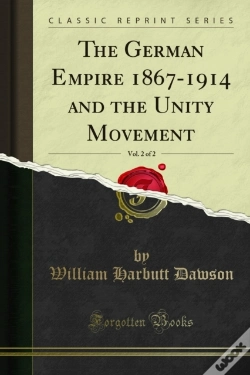
German Empire 1867-1914 And The Unity Movement eBook
idioma: inglês
Editor:
Forgotten Books, novembro de 2019 ‧
ver detalhes do produto
14,38€
10% DESCONTO
CARTÃO
VkU0dlJtRmFZWE15SzFwU1ZHWkxlalZQTmxjNVJXbzRkbk16Y214RFFuQnRZVEUyT1ZZNWR6STJlV0ZPZVVGM2RVZEVUelpPY2taQ1duSTNiRzUyU0dKdWMydERWSFYyZWtSVmRtWTRha2xRUjJwd01qaHdVMmQ2Y1hvd2MySXhWVE5tYTJkMGVXWkhZbWRxVkRGUldHNVpXWHBrT0U5SFpXYzROV2xrWlhORU5sVmtWMVZLUkd3elFXUkdaM1JSYVRsYVkxY3hRbTFDUlcxWGIyNXpPR3A0TlZNME0xQm5VM3BhVmpSWVlsZEhZekUxSzBSc1dWQlBaRkp1VUN0M1EzbHNNRmxIWkdoamRucExlRFp5TDJKaFVuWkhLekZIWVRaaWRrZHlPWGRDT0ZwSGJtaDJiVlpYTkVNclF6UTROSEJWU2pSeU1YaFBiemxETVRsNU1XOVZSRmsxU3pnMlYxcFRPVTh3UVRWU1JtVjJiMnhSYW5sMGRubHVaMW80UjA4elZXZFVWRFJzVjFsTk5FUnBPR0paTWtkdlNUQkpka2ROU2k5dloybDVXV3ByVUN0TE9VUTVSVzFHVEhGdVUzRmpNbVo1WWpKamFIQktaVkYwTVd3eGVISXJSRGsxTDFSbE1sbElkMUJ1VkVadlYwVjJUa1ZKYTJoc0wybzRlSFI0YmpGYVJWZEJkbG94ZFdOdU9VODRVMHhWYjNOS1JGSkpOMU42UTNnNGRXNHljWGhyZVRkb1JrSk1UakZHTUVWTWVUaEVWSE5RYUhVemMwVXlXamN2VTNGVFlVbE5XR2hXVlc0NWVYSllkbmxwY1RaRVdFMU1jMGx4VGxCQ1VVRktiMlo1VWtsaFIyTm9kRFJsU0N0VmJYWlRkME5FY0N0UmJVUkNNRmRITjFSVFdrbGtNVkpRWTJsWlRGbHRiVUZsYm14NlRIZERWMDVXSzA4M1lWZDVPVGxJTWk4emFWaEtZbEV5YUhSbVlUUkVhbVZwWW5oaU0xQjFaM3ByVUdZNVRrRkxPVko2TWxaclRYRTJSVVpHYW1NNVRtNUthRGMxT0ZOV1IyMTBiMk5sTWpaSk1rSnpWRXhwTVhwSlpVOTBkbmhCVlhGbmNVcHNNRmR5UWxCNlRuazFWak5PTVVVd1lsWkpaazlZVUhoQ2IyY3hZMFJHV2k5cmF6RmhaVlJ6TTA5b1MzQm5TWEpRYlVKNFZsbzVNVmg2V1VzMWEyNXplVWxaY0U1RmMyczVNMnNyV1hSRFdrcDVWMWN4YWtwR09IVXlWRmhJVFVaQlEzTTVORTlYYldGR1JUaG5UemRGUFE9PTo4cEN0c3hPQWFRZFYzMjhvdjY2enlBPT0=
DISPONIBILIDADE IMEDIATA
Ebook para ADE
SINOPSE
Whilst the greatest effort has been made to ensure the quality of this text, due to the historical nature of this content, in some rare cases there may be minor issues with legibility. Satisfied that he had put the Socialists in their right place in relation to public law and decorum, Bismarck proceeded to restore order in another part of the national house. The year which followed the passing of the anti-Socialist Law saw the reform of the fiscal system, a task still greater, calling for statesmanship of a more delicate kind and charged with consequences at least as far-reaching, though in other directions.
To regard this episode, as is often done, as an abrupt and violent new departure is to misunderstand and undervalue its significance. The introduction of protective legislation in 1879 was in reality the revival of a national tradition. This tradition had been based on the example of Prussia, where the protection of trade, industry, and agriculture had been the careful aim of public policy from the time of Frederick the Great. Not only did that ruler erect fiscal barriers upon his frontiers for the purpose of restricting imports, but his edicts went so far as to forbid the introduction of every class of goods which could be produced at home, even if less cheaply and of inferior quality. On the other hand, the exportation of raw material was forbidden in the interest of cheap production. By subsidies he established new industries, and encouraged old industries which languished. If the foreigner''s goods were not desired, the foreigner himself was welcomed, provided only that he brought with him manufacturing skill and knowledge. The State was ever ready with liberal gifts or temporary loans for the purchase of raw materials, and it was quick to recognize the value of technical training, introducing for the purpose foreign teachers. Agriculture was likewise supported in every suitable way.
To regard this episode, as is often done, as an abrupt and violent new departure is to misunderstand and undervalue its significance. The introduction of protective legislation in 1879 was in reality the revival of a national tradition. This tradition had been based on the example of Prussia, where the protection of trade, industry, and agriculture had been the careful aim of public policy from the time of Frederick the Great. Not only did that ruler erect fiscal barriers upon his frontiers for the purpose of restricting imports, but his edicts went so far as to forbid the introduction of every class of goods which could be produced at home, even if less cheaply and of inferior quality. On the other hand, the exportation of raw material was forbidden in the interest of cheap production. By subsidies he established new industries, and encouraged old industries which languished. If the foreigner''s goods were not desired, the foreigner himself was welcomed, provided only that he brought with him manufacturing skill and knowledge. The State was ever ready with liberal gifts or temporary loans for the purchase of raw materials, and it was quick to recognize the value of technical training, introducing for the purpose foreign teachers. Agriculture was likewise supported in every suitable way.
DETALHES
| Propriedade | Descrição |
|---|---|
| ISBN: | 9780259643555 |
| Editor: | Forgotten Books |
| Data de Lançamento: | novembro de 2019 |
| Idioma: | Inglês |
| Tipo de produto: | eBook |
| Coleção: | 2 |
| Classificação Temática: |
eBooks em Inglês
>
História
>
História da Europa
|
| EAN: | 9780259643555 |
LIVROS DA MESMA COLEÇÃO
-
eBook10%Libro D'Aparellar De MenjarEditorial Barcino12,95€ 10% CARTÃO
-
eBook10%Las Traducciones Literarias Completas De José Basileo Acuña. Tomo IiUniversidad Nacional de Costa Rica11,99€ 10% CARTÃO
-
10%The German Empire 1867-1914TAYLOR & FRANCIS LTD78,40€ 10% CARTÃOportes grátis
-
10%The German Empire 1867-1914TAYLOR & FRANCIS LTD78,40€ 10% CARTÃOportes grátis