


adicionar à lista de desejos
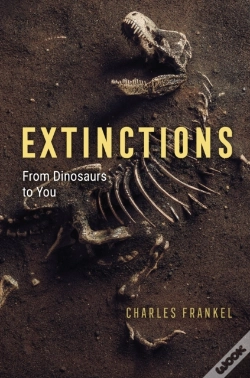
Extinctions eBook
From Dinosaurs To You
idioma: inglês
Editor:
University of Chicago Press, maio de 2024 ‧
ver detalhes do produto
31,00€
10% DESCONTO
IMEDIATO
UTJFeFpGa3haek5XV1RaUGIzVnJVbk5DUzJWME1FSldaSFlyYkdNdlVGRXlkVlJRVFRaeGJ6Vm5iVXN4VTNONVdqVndlbEp2WVRKYVp5OUVWek5XYm5SeVFUQm5NalUyZG5WaVl6QjZVakJUYlRsVFpWRTVTa0V6YW5OelQySlFNbTVzYVU0ME5FaEJkbGw0UzJSSlRFbDFZMmxYV1VnMmVIQnhkVGRHV1hGdU1FNXlUa2xrTjBKUUsyMDVka1pOVW5GSFprdEtRblpzT0hOb2FsVXdWM2s0Tm5KVlFtczBVekJMWWt4NU9IbExibUZ1YzBWMldtSTFha3MzTkd4dVZEQlVTMlJyUmtObk9ITm1aelF5Vkd4WlpXeGpTSEJ4WTFWWE1FMWxMMmhIT1VSblVpdFplRTV1UTJKVU5FZGtURWN5VG5Gd01UWkVSazF1TkVoNWFEVlhOUzlOUzBWU1ptcG5kbE14Y0dwNlRTOXhSRmhqY2xGU2NuSjFXVEZyYVRoMlFWZ3hORXRsVW5oRk5rVnhUVUY1WW5CaE9FWlZXRnAyVGxCdWNqWkRWR0k1VlhWRU1IcE9TR1YxUkdWUFkyNDBjM05EYWtOdlJuQjBZamxSUmpacGJXTXZlWGxSYVdNMVVXZHJNbVZwWmtaYVpYZHpaamxhTDA5TE1uRlFaRkJuU2t4TE1YSnVRVXd6UzAxemNqVm5TMjVEYURGNE1Yb3hZelZTTkhsT01VTlFaVmhFTDFoemIyWkpLMU0zVGxCV01IVjZjSFZ6ZVhoUlRHZHZVazlpU1haS01UbEVUMlV5WkV0V04wZFRORmg1T1VWRFUxZGxkMkZaVGxWWk4ySjRaRWgyTjFCT2MwNUdXREowTnpKS1YxVlJXSFozWm5wYWNHNUNlV2t2UTNBeWNUaEZNbFJsZFZoVVkxUkJVa0ZJY0hGWFJWaGxaMDkyWTNSRWJFeG5ibEIzTTBGSGVWQnhVazE1VlZneVQxZEVUVEJSZVZCVU0wVlZiVVJUOjFnNE03SHp3bHp6ZkZYUjA1S0dINGc9PQ==
DISPONIBILIDADE IMEDIATA
Ebook para ADE
SINOPSE
A compelling answer to an important question: Can past mass extinctions teach us how to avoid future planetary disaster?
On its face, the story of mass extinction on Earth is one of unavoidable disaster. Asteroid smashes into planet; goodbye dinosaurs. Planetwide crises seem to be beyond our ability to affect or evade. Extinctions argues that geological history tells an instructive story, one that offers important signs for us to consider. When the asteroid struck, Charles Frankel explains, it set off a wave of cataclysms that wore away at the global ecosystem until it all fell apart. What if there had been a way to slow or even turn back these tides? Frankel believes that the answer to this question holds the key to human survival.
Human history, from the massacre of Ice Age megafauna to today’s industrial climate change, has brought the planet through another series of cataclysmic events. But the history of mass extinction together with the latest climate research, Frankel maintains, shows us a way out. If we curb our destructive habits, particularly our drive to kill and consume other species, and work instead to conserve what biodiversity remains, the Earth might yet recover. Rather than await decisive disaster, Frankel argues that we must instead take action to reimagine what it means to be human. As he eloquently explains, geological history reminds us that life is not eternal; we can disappear, or we can become something new and continue our evolutionary adventure.
On its face, the story of mass extinction on Earth is one of unavoidable disaster. Asteroid smashes into planet; goodbye dinosaurs. Planetwide crises seem to be beyond our ability to affect or evade. Extinctions argues that geological history tells an instructive story, one that offers important signs for us to consider. When the asteroid struck, Charles Frankel explains, it set off a wave of cataclysms that wore away at the global ecosystem until it all fell apart. What if there had been a way to slow or even turn back these tides? Frankel believes that the answer to this question holds the key to human survival.
Human history, from the massacre of Ice Age megafauna to today’s industrial climate change, has brought the planet through another series of cataclysmic events. But the history of mass extinction together with the latest climate research, Frankel maintains, shows us a way out. If we curb our destructive habits, particularly our drive to kill and consume other species, and work instead to conserve what biodiversity remains, the Earth might yet recover. Rather than await decisive disaster, Frankel argues that we must instead take action to reimagine what it means to be human. As he eloquently explains, geological history reminds us that life is not eternal; we can disappear, or we can become something new and continue our evolutionary adventure.
DETALHES
| Propriedade | Descrição |
|---|---|
| ISBN: | 9780226741154 |
| Editor: | University of Chicago Press |
| Data de Lançamento: | maio de 2024 |
| Idioma: | Inglês |
| Tipo de produto: | eBook |
| Formato e Compatibilidade: | PDF para ADE |
| Classificação Temática: |
eBooks em Inglês
>
Guias Turísticos e Mapas
>
América do Norte
|
| EAN: | 9780226741154 |
-
10%Guide Des Cépages Et TerroirsDELACHAUX & NIESTLE40,28€ 10% CARTÃOportes grátis
-
10%Worlds On FireCAMBRIDGE UNIVERSITY PRESS120,32€ 10% CARTÃOportes grátis