
adicionar à lista de desejos

Ecologies Of Bronze Age Rock Art eBook
Organisation, Design And Articulation Of Petroglyphs In Eastern-Central Sweden
Livro
eBook
idioma: inglês
Editor:
OXBOW BOOKS, julho de 2024 ‧
ver detalhes do produto
28,62€
10% DESCONTO
IMEDIATO
TW5CT2FXNVNiMnBHZVVvMWFsVXdSVGRMZERoTGFGaFhaMmQySzI5VFEzQnpTVGRyYzJVdldEbHhOVXhVTHk5bFkyMVNibTg1ZUdka2JYbGhhVXRoWTB4YVNuQlNVRlYxZWswMmJVcFJkV3RYUWs1a1NFaG9hbkZTTTJGbGVsUldUbEJaUXpadlJsQmtPVGQyY1c5bU5pdDNSaXRCZW01VWJ6UmpaMHRyTm1KbmJVTk9TbGwxUkhCbEsxRkJhR1JpZDBkaFFuaEhNMHBPTUVZd01qVmpkblJ5Ulc1eFpTOXdVVmxEYzNBemRXcHVXRXRsTVV4VGNHcHBhWGRxYmtveFpUaFBWa2N2VVdscVUwOVBWWGd3WjFoMVNUWndhM28yUmxGTWEwNW9TbVJLUmxKbVYxZHVURmxCTWl0Q1NFOUlTekpPVFU1VlpHUklSa3BHYld4VE5tOXVTMVJEYVhkVGJsbFdPQzlCYTJsU1FVMTJaRkpsVDNSd1ExRTVjMm80U3pCbGR6TlNhblk1T0ZCMFptbEdhM2x5WjBRclVrcE1ZMnRUVVZwWWMwNHlPVVpYVjNkclZrdFlOMDloZVdsMmRFcFZWbmxuUmt4dE0xWjRUMkpSVUhSMldUUkNkVE5OTkhjd1MzcEpVak13UzJReFpWVkdaR2hIS3pobWVqVjFVVU5QZWs1UFNtaExhVGRQWVdkeVNtSnBUVGhxTkZKNVoyNDVLMk54U2xZNFdISk5SR1U1Y0N0RE1XZERaMDloU1VvNVluTk9aRTUwT0cwNWJIWlhlazlUUWtJcmRHUlpjMVF5VkhGdmJWTlZaV1JvVjBoMlJYRTRTa1ZxVmpObFVGSktUMUV4ZDFnMkwwMTBSbWRwU214R2NWTm1VMngxVkM5SlRISjRjVnBUUkdwME5VRXpjazlOUlUxTVZrb3ZObFZJVkZwb0swdDFObTV5ZUdkMFF6ZGhaamxrUm1wb1VsSTNaWGhFUkhkeU0wSlpNVk5NYW1GM01WcENNR3REOmxHcjhZVU1tYXpvcEdiUFppNlRobUE9PQ==
DISPONIBILIDADE IMEDIATA
Ebook para ADE
SINOPSE
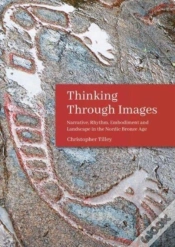
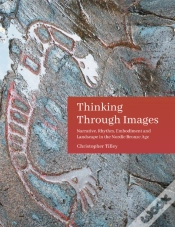
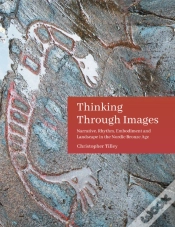
A consideration of the rock art of the Mälaren bay region exploring the potential efficacy of petroglyphs as physical devices through organization, design, and articulation.
The Bronze Age (1700-500 BCE) petroglyphs of southern Scandinavia comprise a unique tradition of rock art in northern Eurasia. Despite a limited repertoire of motifs such as cupmarks, boats, anthropomorphs, zoomorphs, podomorphs and circles, it shows great variability in design, elaboration and articulation. This book is a study of the Mälaren region in southern-central Sweden that includes one of the most prominent rock art clusters of southwest Uppland as well as the hinterland of Södermanland county. The rock art in this region is studied on three scales: regional, local and particular. This allows for comparisons between dense and small sites, an exploration of how the Bronze Age rock art tradition developed over time in the area, and equally how the design and articulation of certain motifs relate to contemporary settlements, waterways and varying environmental settings.
Patterns and structures in the distribution and articulation of the petroglyphs show that the different motifs are not only visual expressions but very much material enactments. The motifs often physically relate to each other, the flows of water, and the microtopography and mineral contents of the rocks. The study is therefore not as much about rock art as images and symbols as it is about the ecology of rock art - the web of social and physical relations in which it was enacted and employed. From this perspective, the petroglyphs are seen as petrofacts, that is something akin to tools or devices articulated in various ways to affect humans, other-than-humans and the animacies of the coastal milieus where they were made.
The Bronze Age (1700-500 BCE) petroglyphs of southern Scandinavia comprise a unique tradition of rock art in northern Eurasia. Despite a limited repertoire of motifs such as cupmarks, boats, anthropomorphs, zoomorphs, podomorphs and circles, it shows great variability in design, elaboration and articulation. This book is a study of the Mälaren region in southern-central Sweden that includes one of the most prominent rock art clusters of southwest Uppland as well as the hinterland of Södermanland county. The rock art in this region is studied on three scales: regional, local and particular. This allows for comparisons between dense and small sites, an exploration of how the Bronze Age rock art tradition developed over time in the area, and equally how the design and articulation of certain motifs relate to contemporary settlements, waterways and varying environmental settings.
Patterns and structures in the distribution and articulation of the petroglyphs show that the different motifs are not only visual expressions but very much material enactments. The motifs often physically relate to each other, the flows of water, and the microtopography and mineral contents of the rocks. The study is therefore not as much about rock art as images and symbols as it is about the ecology of rock art - the web of social and physical relations in which it was enacted and employed. From this perspective, the petroglyphs are seen as petrofacts, that is something akin to tools or devices articulated in various ways to affect humans, other-than-humans and the animacies of the coastal milieus where they were made.
DETALHES
| Propriedade | Descrição |
|---|---|
| ISBN: | 9798888571408 |
| Editor: | OXBOW BOOKS |
| Data de Lançamento: | julho de 2024 |
| Idioma: | Inglês |
| Páginas: | 224 |
| Tipo de produto: | eBook |
| Formato e Compatibilidade: | |
| Coleção: | Swedish Rock Art Research Series |
| Classificação Temática: |
eBooks em Inglês
>
Guias Turísticos e Mapas
>
Europa
|
| EAN: | 9798888571408 |
| Acessibilidade: | Ver características de acessibilidade indicadas pelo editor |
LIVROS DA MESMA COLEÇÃO
-
eBook10%Bronze Age Rock Art In Iberia And ScandinaviaOXBOW BOOKS27,19€
30,21€ -
10%Thinking Through ImagesOXBOW BOOKS51,37€ 10% CARTÃOportes grátis