



adicionar à lista de desejos
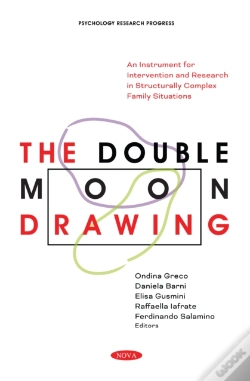
Double Moon Drawing: An Instrument For Intervention And Research In Structurally Complex Family Situations eBook
idioma: inglês
Editor:
Nova Science Publishers, Inc., novembro de 2020 ‧
ver detalhes do produto
125,88€
10% DESCONTO
CARTÃO
TTJkRk1sRjBkSGsyUVNzd1ZITlVRbE5YTW5VemR6SlZWRGxMY0hBNVFWcG9hVEVyUTNrcmNWTmxTUzh6T1RkSmEzY3lOWGszVWpFMlVXWk9hSFIwZG01bWFtWlhibEYyWXpKTU0wbFFhbkJ5UzNOalpXSkJkbXBRVkhGaUwxRjFMM3A1VDBSQlpYSlVjVzh4Tms4M2VtRlZTMVpGTjNGWVJtZDNjbXN4TTFGR1dHWllTMDFZVkVWRmJIVkhNbEZwZDNCVlJrVnFjbmR4VWpKRVJHVk1ibTV4YWs4NVQzbGthVWxGTUc5dWRIQTNVbEJ5Wmt4b01VTndVbU51U1RsbVptVXdLM0pvV0hWMk1WVmphMDVhYTBkRVF6WkVTRGRETkVzdmRITTJTWEZNZFhCa09XTkNTRFl2ZG1KWFRFUkVlV2wzTURKTk1uQkhja2cwYlcxMFluaHJUMmhwYzJVek1sWjRMelJoZERSeFRrVXpNRWgyVlV3cmRXRkZVblpXYWxKbFZERmFlVmR0VEd0dFpFdHJUbk5WUzJzM2VHazNUVUpJVmt3eWQyOXhRMkpxZVhjNVExUXlZWEE1VmtkeE1UaEVNa2RMTTFkMlEzbGxhelZPYm1ST1dYVmlVbnA0ZFZaU01uUk5MMUZMV2pkeWIwUlhVbVppVVcxT1ZtSnBjR1ZpVDFoSVZFUlJjR3RQU0d3ck5YSnFSMUppVW5wUlNua3lkaXN3YVRSWEszcHJkbGxGY1ZCRGNFZHNhSFIyTmpaV1dIWk9WWG92WTJkRFdWVnBWbFJtY0VGVU9VdG9Wek4xZWpGeloxTjZValZzWTNwVlFVRmlkRkZtV2tSUE1qUk9jbHByVTFOV2NWcFRXakJJVEhsVk0wSklPQzk1ZVdGMWExZFhkWFpUZDFacFRWaENhMFF5VG10UllWUlZSWE5YWWxWTFJFSnJOblE0U0hRelJtdHBXVlJVU1VSMFVUSkRlRkZCZVV4eWRUQm5hRmxEVkdaWWFXczRSVTV0ZG5nck9EZG5jMmQ2WmxKM1kzRXZaVGhDUkVwT1ZVZGhWa2hUZFVGdGRFUkRVVGxLVW14UlZuSlZaR2hIYVRrd1lUVkxhRkp0WjNSbVUyTk9aa1EyYVVzck1rdzFkM0ZxZEVwV2NGY3lSVzFuTnpGSFJrWnRXVVp0VlROYWNFdzRkbmd5ZFdaYUt6RnpNV05oTjBsSWRHRmpSbEJoTWpZclpWRk9PVlJaU2tWdmVrcDZaRlJxZWpod1QyRmtSa1pzWkVVMk1VMTFRakJqVkd4ME1HODVZMDEyUmtaaFNEQjFXRlZOUFE9PTpRMnUwWlFUYWpaZ0hQRG1VdzNsVEFRPT0=
DISPONIBILIDADE IMEDIATA
Ebook para ADE
SINOPSE
The book presents a graphic projective tool, The Double Moon Drawing (DMD), that can be used with families in research and clinical settings. This book is an extension of Ondina Greco’s original work (1999) "La Doppia Luna. Test dei confini e delle appartenenze familiari" [The Double Moon. Assessing family boundaries and belonging], Vita e Pensiero, Milano. The DMD examines family boundaries in structurally complex family situations. In these situations, a dialectic relationship exists between the present and the distant elements. DMD offers the opportunity to graphically represent crucial aspects of the inner representation of the family situation which are unlikely to emerge at the verbal level. The subject often feels emotionally connected to significant people who are not present in the "here and now". The tool makes explicit a "double axis" of representation: the axis of the persons and elements that are present in everyday life and the axis of lost or distant elements which nonetheless remain present psychically. Observing the subjects’ representations of boundaries and family belonging in both axes is crucial from a clinical point of view. DMD is specifically designed to address the theme of "who is absent" and illustrates the ways in which the subject deals with the loss or distancing of emotionally significant elements. The theoretical assumptions of DMD combined with 20 years of experience in its clinical use and application to qualitative research have led to the construction of a theoretical-methodological "Biaxial model". This model offers a space-related metaphor that makes explicit both a theoretical hypothesis about structurally complex family situations and a methodological way to read the verbal and graphic indicators noted during clinical or research interviews with the subject. The number of complex family situations is significantly increasing nowadays. There are blended families due to rising divorce rates; more medically assisted procreation families, gay/lesbian families; single mother families, etc., so the DMD tool will be increasingly useful both for clinical work and research in the future. New developments about the use of DMD are represented on one side by a quantitative reading of the drawing, to connect the qualitative analysis of the data of the DMD to a quantitative analysis, in order to have a more informative and reliable picture of family relationships. Psychometric properties of a new scale are assessed and correlations between DMD scores and family boundary ambiguity in a group of adolescents from separated families are calculated to assess the construct validity. It is fascinating to observe how the symbolic level of analysis of the DMD can be integrated with the analysis of the interactive patterns between participants. Stemming from the pragmatic approach to human communication typical of the systemic approach, this level of analysis can contribute to a deeper understanding of the emotional and relational dynamics of the couples and families when they are dealing with the task represented by the drawing. The presentation of numerous clinical examples enriches the work, showing the ductility of DMD, which can be used with subjects of different cultures.
DETALHES
| Propriedade | Descrição |
|---|---|
| ISBN: | 9781536188912 |
| Editor: | Nova Science Publishers, Inc. |
| Data de Lançamento: | novembro de 2020 |
| Idioma: | Inglês |
| Páginas: | 154 |
| Tipo de produto: | eBook |
| Formato e Compatibilidade: | PDF para ADE |
| Coleção: | Psychology Research Progress |
| Classificação Temática: |
eBooks em Inglês
>
Ciências Sociais e Humanas
>
Psicologia
|
| EAN: | 9781536188912 |
LIVROS DA MESMA COLEÇÃO
-
eBook10%Global Perspectives On Resilience, Well-Being, And Mental Health In Schools, Families, And Communities: Cross Cultural, Transdisciplinary, And Multisystemic Interventions. Reflections And New MeaningNova Science Publishers, Inc.274,28€
304,75€ -
eBook10%Philosophy Of Science For Psychology StudentsNova Science Publishers, Inc.113,29€
125,88€