adicionar à lista de desejos
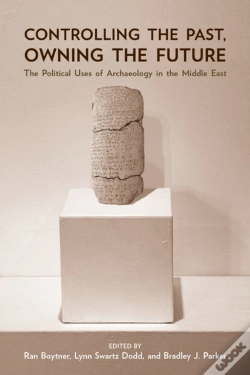
Controlling The Past, Owning The Future eBook
The Political Uses Of Archaeology In The Middle East
Livro
eBook
idioma: inglês
Editor:
UNIVERSITY OF ARIZONA PRESS, dezembro de 2010 ‧
ver detalhes do produto
39,22€
20% DESCONTO
IMEDIATO
TWsxblMxcFZNRzFQTW5GMlVIb3JVV0pIYjBsRFlXVnJOMmhrV0ZCclkwUXdOR3hXTVhsS2RqRjJiV0ZFT0U5d2VVOVFiR2RrVUhCaFlXd3pZM0F4ZFZaYWRucFNhemMwZG1aWGJtbGlWR2RyTjBWSlptcEdkVzVCVUVveVVrbGhObFEzVW1KS1YzZFdhVGRaZVhocVdETjJaRGRrVmtJNVEzYzNhblJZT1ZCNVQzRjZRazl5UjBSQlYxTnRWR0pGVDNwUk1rNXJUM1JyY0V4aldXaFFUVTB4UldoNWQwNTRUbTlqU1ZCVmFFaEVSa2hrU0VOb2NHczJPREp4TlZaVU0xSXhWSFJoWjNvelkwVnlWRWQxUTNOWE5ITldLM00zZGpOd1VWQk1WamhUTDJaQmVFRmxVRFI1U2xWaFJIVm5hbFlyVEZwaFMyc3JjVWxCYTBsUWJHWXhhazlVZGtVdmRXaHNNRXROTVdkVGFtRmxTWGxQV0RRNVNEZHNXVmxXZGpKWU1ISXJTVEZsYVdNeEszcG9ZelZRTVdSTWR6RllaWEZxWlVOMVpsUjVSR1pGZERkTlltSm9URTVoV2pOdk9GRXhjMUZ5VW1SSFkwbHZRa2xFTWxsVVZqTkplbU0wU1dkWGFteERiQ3R6ZVhBemQzQkdNM2RyV1hwWlVqZFFjVUpEYUc5R1kxRkdUMWRyVVVZMVFYYzFiMDFSTVdNcmFUaFlOa3AzYjAwelRWVnFLMDQ0Vml0dVZuVlZWRzB6UkRCaGNVVm5PVlZXZEROaWNuWjZhaTh6TTJwM1p6TnlLemx5VlRWck9HZEZkbkEyYzBWVk1GcHRVM1JZU0VNMk1FcGxlVkpTUjBrNFRsTjVWblV4V0dSa1JXMWtVM2RWWjBNM1ZHSjFjMnRXZGt0MldXdGtURFZIU25KUWFrUlplbTltYTJ0b1ZtNXdUa1o1YTJ0VmEzZGhhbVZLZERKVVl6VXpOWGMxZG1wRWVXTkdiRGQxUVd4bGFTOWxjVEkwOnZDOWF3RTBvd1dLTVNreDIrMWRVOFE9PQ==
DISPONIBILIDADE IMEDIATA
Ebook para ADE
SINOPSE
What are the political uses—and misuses—of archaeology in the Middle East? In answering this question, the contributors to this volume lend their regional expertise to a variety of case studies, including the Taliban’s destruction of Buddhas in Afghanistan, the commercialization of archaeology in Israel, the training of Egyptian archaeology inspectors, and the debate over Turkish identity sparked by the film Troy, among other provocative subjects. Other chapters question the ethical justifications of archaeology in places that have "alternative engagements with the material past." In the process, they form various views of the role of the archaeologist, from steward of the historical record to agent of social change.
The diverse contributions to this volume share a common framework in which the political use of the past is viewed as a process of social discourse. According to this model, political appropriations are seen as acts of social communication designed to accrue benefits to particular groups. Thus the contributors pay special attention to competing social visions and the filters these impose on archaeological data. But they are also attentive to the potential consequences of their own work. Indeed, as the editors remind us, "people’s lives may be affected, sometimes dramatically, because of the material remains that surround them."
Rounding out this important volume are critiques by two top scholars who summarize and synthesize the preceding chapters.
The diverse contributions to this volume share a common framework in which the political use of the past is viewed as a process of social discourse. According to this model, political appropriations are seen as acts of social communication designed to accrue benefits to particular groups. Thus the contributors pay special attention to competing social visions and the filters these impose on archaeological data. But they are also attentive to the potential consequences of their own work. Indeed, as the editors remind us, "people’s lives may be affected, sometimes dramatically, because of the material remains that surround them."
Rounding out this important volume are critiques by two top scholars who summarize and synthesize the preceding chapters.
DETALHES
| Propriedade | Descrição |
|---|---|
| ISBN: | 9780816543755 |
| Editor: | UNIVERSITY OF ARIZONA PRESS |
| Data de Lançamento: | dezembro de 2010 |
| Idioma: | Inglês |
| Tipo de produto: | eBook |
| Formato e Compatibilidade: | PDF para ADE |
| Classificação Temática: |
eBooks em Inglês
>
História
>
Arqueologia
|
| EAN: | 9780816543755 |