



adicionar à lista de desejos

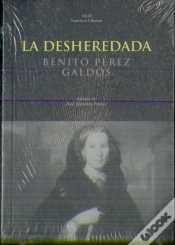
Cadiz eBook
Editor:
Max Bollinger, abril de 2021 ‧
ver detalhes do produto
6,33€
10% DESCONTO
CARTÃO
U0hKTmJUaFJhR05SWTNnMGJVWmxaREZDVkU4eUswMDJXbEpVT1dvd2J6RXhOblZVVkZONVRUUmpUM2R4VjJsTGNqWnBVWHA0WjNoTFIzbEZUMVJ0UWtWT1dVWktURXN2VXpCdmQxSjFkVlpRZFZWTVJHRTNRVnBXYjFSSWEweFZTakZGZW5sTlVtNUlVM0JWU0M5RVQzbFhURVpqYldsS2JHbHNRMHAyUVZwdU5IUkVObFZIT1ZOc1ZHWlFaMEYwYjBGcmRsQnhRWFZRV0RSTlVHVnBObmhpY3pNd1NFVnViRmMyV2xSbFFWSXdXRFpyWXpsT05ucExXbFZITW5saU1GUTJVa1JoT0U1Sk9VTnJlbWw0YkZCNlR6RkZNa2xzWjJKT05IQmpVR2d5TVM5UGJHRnBRVUZaVFV4SU9FUXJNVXRLV1U1MFZFb3hWR0Z3YVZOdlprUnRXalJSWWxaNVJYVm1iRlJ0UjNKSVNEa3pVamhpTlhSU2NrRnZWR1YyZVRsdk5XOTRTQ3RWTDI1eVowTTFkSFJhT0VjM2JDdFBTVGhaVVdWTlVIaDFWWE5EZVdJMlJWTlNLM05DTlRRek1YWndVRTVNUkV0S2JuZEZlbVZXYm5BNVVFNVllVFV6VkdKWFUzZE1SM2hyWVZsdFpHMVRSbXhQYXpOYU5DdFVVMUJPTjI1WU1FcGlXVXBxTTNONlQwc3pSRFVyYzFFelVYRnVVMU0xUkVaeVZEWnJUWGh0VEM5U1J6bExVbXd2Vm1wcmFrZElhM2hGUldjeU1HWm5SMlZSYkdKTmNIcERUa05VT0dGeFpXa3dLek5zWjFwM056SkVOR2xFZDNCUGFDOUpia0ZZTDA1UVlTOXJOVGgxV2pOd1VVRndhbnBRWkVSUWFFTm5TMkp0TmpVdlZqSTNNM1YzVWxKamNGazVlRGRuVTBwYU1VOTNSbVJZVUhCd1dXdFFiVlJ5VTNsaU1XZEtTR0ZaU1UxS1dpOVBjakJ5UmxrMk9WQmtVVk0xZG14NVkwOVlVVWhaWlZKbFZEZFFjMWR6VFRWaVkyUXpOalJYWTFCaFMwODFWRlZVUmxVcmJVcFFja1pTY0ZZd1YyUm1kVXRNUVRnMWRVMVVTV1JXZW5BemRVRk1XbEZIT0VGVmVWY3hORWRWYm5WS0sxUmljWFpaY1VwelRXUXlURGN4TDBFdlJVVkxkVXRXUmtoaFpWTkxlVGxaZFZRMGJXeDRTSEZFWm0xeGRGbHVVbXc1TUdaUWNuTlRaR05hYnpOeEt6SjRWVGhMVEVSMlVXSkxOMWxsUlhkYWNFbDJkVFpSUFE9PTp2WUp1Z1VSajh2Q2tjdmxjOWpON2dnPT0=
DISPONIBILIDADE IMEDIATA
Ebook para ADE
SINOPSE
On a morning in February 1810, I had to leave the island, where I was garrisoning, to go to Cadiz, obeying a notice as discreet as it was brief that a certain lady had the goodness to send me. The day was beautiful, clear and happy as in Andalusia, and I traveled with other companions, who were walking towards the same point if not for the same purpose, the long isthmus that serves so that the continent does not have the misfortune of being separated from Cadiz; We examined the admirable works of Torregorda, the Cortadura and Puntales as we passed, we chatted with the friars and grave people who worked on the fortifications; we disputed whether or not the positions of the French were clearly perceived on the other side of the bay; We threw some canes in the Poenco figon, next to the Puerta de Tierra, and finally, we parted ways in the Plaza de San Juan de Dios, to go each one to their destination. I repeat that it was in February, and although I cannot specify the day, I do affirm that it was the beginning of that month, because the famous answer was still warm: AThe city of Cadiz, faithful to the principles that it has sworn, does not recognize another king that Mr. D. Femando VII. February 6, 1810 A
DETALHES
| Propriedade | Descrição |
|---|---|
| ISBN: | 9781787363076 |
| Editor: | Max Bollinger |
| Data de Lançamento: | abril de 2021 |
| Páginas: | 264 |
| Tipo de produto: | eBook |
| Formato e Compatibilidade: | |
| Classificação Temática: |
eBooks em Inglês
>
Outros
|
| EAN: | 9781787363076 |
| Acessibilidade: | Ver características de acessibilidade indicadas pelo editor |
SOBRE O AUTOR
Benito Pérez Galdós
Benito Pérez Galdós nasceu em 10 de maio de 1843, em Las Palmas, nas ilhas Canárias, e é considerado o maior romancista espanhol desde Miguel de Cervantes.
Filho de militar, mudou-se, em 1862, para Madrid a fim de estudar Direito, tendo aí frequentado as reuniões do Ateneu e os cafés Fornos e Suizo, onde se relacionou com os intelectuais e artistas da época, começando a escrever para os jornais La Nación e El Debate. Em 1868, abandonou os estudos para se dedicar inteiramente à escrita. Viajou pela Europa, familiarizando-se com as tendências literárias da época, como o realismo e o naturalismo.
A sua prolífica obra, tanto em romances como em peças de teatro, foi marcada pelo realismo, refletindo a sua preocupação com os problemas políticos e sociais da época, como o seu percurso político de tendência progressista e anticlerical também demonstra. Galdós chegou mesmo a ser deputado, entre 1886 e 1890, na ala liberal, e, em 1907 e 1910, como republicano.
Comparado a Honoré de Balzac e Charles Dickens, tornou-se membro da Real Academia em 1897 e foi nomeado para o Prémio Nobel em 1912.
Faleceu em 4 de janeiro de 1920, em Madrid.
DO MESMO AUTOR
-
Tristana10%Editora Guerra & Paz13,50€
15,00€ -
Cantabria30%CASIMIRO5,71€
8,15€