



adicionar à lista de desejos

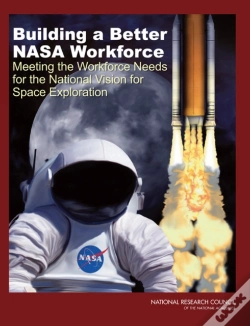
Building A Better Nasa Workforce eBook
Meeting The Workforce Needs For The National Vision For Space Exploration
idioma: inglês
Editor:
NATIONAL ACADEMIES PRESS, junho de 2007 ‧
ver detalhes do produto
25,43€
20%
DE DESCONTO IMEDIATO +
5%
CARTÃO
VFV0M0wyUnBWVzFOZW1GYU56ZGhUUzlaT0ZJMU9XZFdNa0pYYzI5WGJVdzBPSGRYTVU4MlJHWkhiUzhyTjBKbFoxUkNTM1ExUm5kTVVucFNLMWQ1WW5VelFXbG5lRmR1Y213MGNTdHFlbVJLVG05RGRFMVJVMjFVY0dKMU1rTjZkbk5VWkdFdlFtVmtNRkoxVlhWM09WUjNka1l4WjFKd0x6SXJaVmhuU3pGbFdHTnlSMUpGVGpkMFkwWTRTV3h1WkVGdU0ydzJSelpqUTBwclV6RnhUemN6ZW0xWlFXdDFWbk5rZFV0VVdqa3pNWEpZVVhKNGVXWm9TMjFRZVZJeWJYcFBjMGhRYnpFMFNUVm5Ra296U21ocE4zWkJaMlpJWXpFeVJHb3ZSRTAyZURoVmVuSnJkVXRWYURaVGVTdFVaVUp3YjNwMFUxWnVNbE54TlRCWFFuQXlXaXMxWW1aMVlVcDZPVGcxVHpsRE5FUkZia3M1SzA5VlkzQlZkMk5DU0dwWFVrSmFSeTlMWjJkMFRrTkphbkpoVjFWV1prRkhaRFF2U3pCbE1IaERXRkJ3SzJSTVlWaDVSRmRLUjFwV1IxUnhUREo0SzNsR1dFeDBOVmRJZG1GNFdqZFhiRkJ4VTNSRFN6bG5lRU5tU1RCYVlXUmlUM1ZRT0RCUFdreElaelVyZVd0bFVrOVFNRlJIUldac1QyZGFMMnMxYlVNM05VaG5jamxHUm1Vd2JFMU1XbTlNTDJsc0sxaGxWbFpRYkRobVFYZGlTRmR5TTFwdWQzbzFNMWw0YzBObVluVjZTVkJUTmtWR01rZ3JlalZ2VDNRdlNWTkxaaXRLYmxKWE9XOVZRbXRRU1hRelZHczFWSE5KVkVSM1lraFFTSGxwVWpaNGRHaG5SazlYTURkT1lsUlJPWFpWZVhoRlZHVjRlV05hU0U1dVJrWm1kRWhsVlRSM1QxVm5NMW9yVGxoTGN6ZERaWFo1VGxKeWNIRnZjVlZJWlhkclIwMVhUamQ2WjJWblVEUkVUbFl5YTJseVMydHBUVU5IWWpGWFVEUXhRVzFzYW10eFYwNXZaMU0xTVZGcE5tVjNZV3QwYjIxSmRXUkdSV2RrTDNSTlVIRkNSbkZaYzJsUWMyOVFPVFozSzB4ek9FeGpMMDVoWjJONFYzSm5XbWh0WVhVNVFrZDZUakUwT1hKSFJXb3pPVmd6TTNsc2FHUjVNamx2TTNwaVYxUXphbnBNV0hoaFdFeENNMVVyV2padllreFhRbmQxWlc1WlQwdExObWhTYzNFclZtZHBUekl4ZDJJeFZrRmxWSFpqUFE9PTp5WGtzb0laMEgvbjdqK2gxVStsTEF3PT0=
DISPONIBILIDADE IMEDIATA
Ebook para ADE
DOMINGO DIGITAL – VER MAIS ARTIGOS EM PROMOÇÃO
SINOPSE
The Vision for Space Exploration (VSE) announced by President George W. Bush in 2004 sets NASA and the nation on a bold path to return to the Moon and one day put a human on Mars. The long-term endeavor represented by the VSE is, however, subject to the constraints imposed by annual funding. Given that the VSE may take tens of years to implement, a significant issue is whether NASA and the United States will have the workforce needed to achieve that vision. The issues range from short-term concerns about the current workforce''s skills for overseeing the development of new spacecraft and launch vehicles for the VSE to long-term issues regarding the training, recruiting, and retaining of scientists and engineers in-house as well as in industry and academia.
Asked to explore science and technology (S&T) workforce needs to achieve the nation''s long-term space exploration, the Committee on Meeting the Workforce Needs for the National Vision for Space Exploration concluded that in the short term, NASA does not possess the requisite in-house personnel with the experience in human spaceflight systems development needed to implement the VSE. But the committee acknowledges that NASA is cognizant of this fact and has taken steps to correct it, primarily by seeking to recruit highly skilled personnel from outside NASA, including persons from industry and retirees.
For the long term, NASA has to ask if it is attracting and developing the talent it will need to execute a mission to return to the Moon, and the agency must identify what it needs to do to attract and develop a world-class workforce to explore other worlds. A major challenge for NASA is reorienting its human spaceflight workforce from the operation of current vehicles to the development of new vehicles at least throughout the next decade, as well as starting operations with new rockets and new spacecraft.
The committee emphasizes further that when evaluating its future workforce requirements, NASA has to consider not only programs for students, but also training opportunities for its current employees. NASA''s training programs at the agency''s various field centers, which are focused on NASA''s civil service talent, require support to prevent the agency''s internal skill base from withering. Furthermore, NASA faces the risk that, if it fails to nurture its own internal workforce, skilled personnel will be attracted to other government agencies and industry. Building a Better NASA Workforce: Meeting the Workforce Needs for the National Vision for Space Exploration explains the findings and recommendations of the committee.
DETALHES
| Propriedade | Descrição |
|---|---|
| ISBN: | 9780309179744 |
| Editor: | NATIONAL ACADEMIES PRESS |
| Data de Lançamento: | junho de 2007 |
| Idioma: | Inglês |
| Páginas: | 80 |
| Tipo de produto: | eBook |
| Formato e Compatibilidade: | |
| Classificação Temática: |
eBooks em Inglês
>
Ciências Exatas e Naturais
>
Física
eBooks em Inglês > Ensino e Educação > Teorias Educacionais e Currículo |
| EAN: | 9780309179744 |
| Acessibilidade: | Ver características de acessibilidade indicadas pelo editor |
-
Scaling Program Investments For Young Children Globally10%NATIONAL ACADEMIES PRESS43,26€ 10% CARTÃOportes grátis
-
Hearing Loss And Healthy Aging10%NATIONAL ACADEMIES PRESS40,56€ 10% CARTÃOportes grátis
-
Continuous Improvement Of Nasa'S Innovation Ecosystem10%NATIONAL ACADEMIES PRESS56,78€ 10% CARTÃOportes grátis
-
A Midterm Assessment Of Implementation Of The Decadal Survey On Life And Physical Sciences Research At Nasa10%NATIONAL ACADEMIES PRESS62,19€ 10% CARTÃOportes grátis
-
Building A Better Nasa WorkforceNATIONAL ACADEMIES PRESS55,43€portes grátis
-
The Next Decade Of Discovery In Solar And Space Physics10%NATIONAL ACADEMIES PRESS102,20€
113,56€portes grátis -
Continuous Improvement Of Nasa'S Innovation Ecosystem10%NATIONAL ACADEMIES PRESS56,78€ 10% CARTÃOportes grátis
-
The Next Decade Of Discovery In Solar And Space Physics10%NATIONAL ACADEMIES PRESS102,20€
113,56€portes grátis -
Continuous Improvement Of Nasa'S Innovation Ecosystem10%NATIONAL ACADEMIES PRESS56,78€ 10% CARTÃOportes grátis