adicionar à lista de desejos

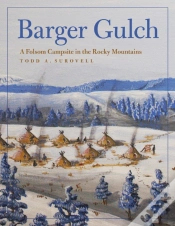
Barger Gulch eBook
A Folsom Campsite In The Rocky Mountains
Livro
eBook
idioma: inglês
Editor:
UNIVERSITY OF ARIZONA PRESS, março de 2022 ‧
ver detalhes do produto
88,78€
10% DESCONTO
CARTÃO
WkhJeWRqZGpiRk5zWmt0RlZrVXpTR1ZJYm1sTmVVaFhWVUZ4V1VKb2MySXZiWHAyY0drNFdrWjBaQzloTTBOeVVUQmpZazVMZFhWMFRUZEpWa1pFSzAxU2FFdEJiR0p2U2tWWVlqVXliVGx0Vnpkc2VFeGlNRUZGUkZkNk1XMWhTMlpwYzJkS04zZHRWbVY0UlV0TmMyNVlTREJxUVdOTGFtdDFlbTFGVW1sTVpsWjVTekV6V2tOR1JHTTRNRmxRYzNsb1pXTlhWMVJHTlhGUlJGWjJOMEpJVlUxeVV6RnJkbGwyU25aRmRTOVFkV2hQVEdaTk1rUkdWVVl6TkRKMWNWUXhlbGR6YlhONWFuSTFiMG95Ylhkak1tZDZNSEptZW1Gd1ZHcHpZVkZxTkVWc2RrVnhjMnBCYmxkR1UxRlRSMFZDTHpSQ1dGSndTbU5uV1VWYU5HSm9TakI0U2s5MWJXNWFSbmg2VURKb09VY3pUVkJ0UWs1S2VYZEJha05DVEcxTWMwMHhaRGRSY0N0cEx5dE1aV00wTXpWNWRHUmFPR2MyTmpCME5VSlBjMVJGVFhsU1NUaFZObEpzZVdrNGIxVjFOVWhRYzNBcmRsVjNkazVOVUVOS1lYQnphVUpzV0ZsdmIwUldhMWR5ZEZOWGJFbHVjbEpaZEUxR1ozY3pSbEZRWmt4c2QxbEhWV2xUWjFKTFNVUXpRM0ZzY0VwWllsaHVWRlZNUzNSVmNIWTNkblpuYnpKTFlVNXpUbmNyZFdScmR6ZFZUSEpDZUZoRmQyaHVWMHhEY0hsYVlXaFpkQ3R0U0ZkQlZYSTBXR0pDYUU1bFJqTk9NVlJCZEZZM2RFNDJkRFJaZUhGaEx6RXdVM0pqVVRNNVkyTTVSU3RIWVZGRmFUUTNZbmMzZWtOaFlXaHJPREJTWVZoTU1qaFdRWHBPTXpOM1JFNVRiMEk1VDFCMGRGZHlRMmxLTVZSU2NsZFdPV1JtT1VSaGVrZzBVRk01UTNSUE1FaG1ObloyUlZFeVdHZzVia3BsYkdwRWVFNVJjR0V4T0dwWllTOUVhSGhKYkhRd2FISjVVRmN5U1RkTlNuQmtlRVJMZVRkYWNEaERNMFJxTVUweE0wRldUMFJJWXpNeWRIQlNXa3QyUjBWQ1VrOVpaMGx0VUROb2VEUXpiM0ZXV1ZGNk5FVTJhRGhwYVVwNmIwOXFkemsxTjFoaVZGaGpkMmxHYVdrM1kybDRkR2RUTUhGbGRYbFRiRVJsT1dJeGVqUXZhMWd3WlVnemFHVlRTVE5MUjNGUFNUTmliVWRDU1d4SWFtZHRXV1pWUFE9PTpCeXdoaWY3aHlWTHYzd0FLa3ZpRnl3PT0=
DISPONIBILIDADE IMEDIATA
Ebook para ADE
SINOPSE
At the end of the last Ice Age in a valley bottom in the Rocky Mountains, a group of bison hunters overwintered. Through the analysis of more than 75,000 pieces of chipped stone, archaeologist Todd A. Surovell is able to provide one of the most detailed looks yet at the lifeways of hunter-gatherers from 12,800 years ago.
The best archaeological sites are those that present problems and inspire research, writes Surovell. From the start, the Folsom site called Barger Gulch Locality B was one of those sites; it was a problem-rich environment. Many Folsom sites are sparse scatters of stone and bone, a reflection of a mobile lifestyle that leaves little archaeological materials. The people at Barger Gulch left behind tens of thousands of pieces of chipped stone; they appeared to have spent quite a bit of time there in comparison to other places they inhabited.
Summarizing findings from nine seasons of excavations, Surovell explains that the site represents a congregation of mobile hunter-gatherers who spent winter along Barger Gulch, a tributary of the Colorado River. Surovell uses spatial patterns in chipped stone to infer the locations of hearths and house features. He examines the organization of household interiors and discusses differential use of interior and exterior spaces. Data allow inference about the people who lived at the site, including aspects of the identity of flintknappers and household versus group mobility. The site shows evidence of a Paleoindian camp circle, child flintknapping, household production of weaponry, and the fission/fusion dynamics of group composition that is typical of nomadic peoples.
Barger Gulch provides key findings on Paleoindian technological variation and spatial and social organization.
The best archaeological sites are those that present problems and inspire research, writes Surovell. From the start, the Folsom site called Barger Gulch Locality B was one of those sites; it was a problem-rich environment. Many Folsom sites are sparse scatters of stone and bone, a reflection of a mobile lifestyle that leaves little archaeological materials. The people at Barger Gulch left behind tens of thousands of pieces of chipped stone; they appeared to have spent quite a bit of time there in comparison to other places they inhabited.
Summarizing findings from nine seasons of excavations, Surovell explains that the site represents a congregation of mobile hunter-gatherers who spent winter along Barger Gulch, a tributary of the Colorado River. Surovell uses spatial patterns in chipped stone to infer the locations of hearths and house features. He examines the organization of household interiors and discusses differential use of interior and exterior spaces. Data allow inference about the people who lived at the site, including aspects of the identity of flintknappers and household versus group mobility. The site shows evidence of a Paleoindian camp circle, child flintknapping, household production of weaponry, and the fission/fusion dynamics of group composition that is typical of nomadic peoples.
Barger Gulch provides key findings on Paleoindian technological variation and spatial and social organization.
DETALHES
| Propriedade | Descrição |
|---|---|
| ISBN: | 9780816546251 |
| Editor: | UNIVERSITY OF ARIZONA PRESS |
| Data de Lançamento: | março de 2022 |
| Idioma: | Inglês |
| Tipo de produto: | eBook |
| Classificação Temática: |
eBooks em Inglês
>
Guias Turísticos e Mapas
>
América do Norte
|
| EAN: | 9780816546251 |
-
10%Barger GulchUNIVERSITY OF ARIZONA PRESS73,00€ 10% CARTÃOportes grátis
-
10%Toward A Behavioral Ecology Of Lithic TechnologyUNIVERSITY OF ARIZONA PRESS32,43€ 10% CARTÃOportes grátis