adicionar à lista de desejos

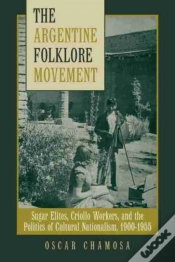
Argentine Folklore Movement eBook
Sugar Elites, Criollo Workers, And The Politics Of Cultural Nationalism, 1900-1955
Livro
eBook
idioma: inglês
Editor:
UNIVERSITY OF ARIZONA PRESS, maio de 2022 ‧
ver detalhes do produto
68,90€
10% DESCONTO
CARTÃO
TVZkcVYyZHlLMEl5Y210dlFUVmFhRVJ6YlVOMmFtOURURmhhWkdkblJtbG1XR28xZGs5eFNWcHJOR1JHV0U5dU1tbE9OamRDWVZRNE1HRkdVMGRhVEhscFZqQnVOSGRxYW1rMU4zVjRXVTlRY1ZaWE1tVk5WRFozVFN0V1l6bDJXbEk0Y210dGExUnZTa1ZOVm1vMGJqTkVTMjkwT0ZKS01ERkxiazF4VVRCdWR5dEpRakZZS3k5b01TdDZXbEJLU1hkcVkxZzJkMEl6VG5nNVozaG1VRGhaWlM5MlYzaERabXBpYkZoaUszZHNMMjl3VW5CVE5qSk9aa2xtWmtWbFQxUTJhbVowWmxGU1JURTFlbmxJY200MVJucExhazF5TDBOaFNrdDBTbkYyVEd0aVZ6VXZSMGQ1V0hnME1HMWFaMmhXZEVSUlZGaFRSVGhoYlRSclRUQjRSalpaU2paMmMwdEVOMjh6VG1GdE4wVnZiRFI0VmxodmIzZEVkMFVyWkRaeUwyMXhZVEV3ZW1ZMk5GVTJSamRxVkdjM1NteEtaV3RQUWtwdGQyTjJOa05MUzJsTE9UWXZZME5LYm05aVNUSjNWM0E1VFVnMVNWZE5Sa2N6TTNwTlFVd3ZaVGx1VW5oaWVFOHliMEZhTTJKR09HdExhVEEwUmtaNlJYZ3lTMVZOT1ZORFZWSmhOamwyVUc5Qkx6azJlVUZOWmpWWGRTdEVSRVl5YzI5RVpYUTRSMFp3ZVZRNE0yTkNTV1pHVFhWSlRucHFaVEJDVFV0T1NYbEVjbmQwY1d4Rk9GVmhkR3BtWjFNeVQwVmhUa3ROT1RGRWFIQkVibGh2V0VkcFRteGhhMUpPUzBaS1NUQXdSRlpoYjBGQmVVRjRWM2hCYm5OcmJVdGhhM05YYmk5eFIxWkhkMkZDTDFWeWRVMXliVlJuT0VFM1F6UmxRV2RsUWtOd01HbEJNVTFaVTBnclRsVXJZakpYTkc4d2NsRnZlVGR1Um1zelMyTmFZbWc0VUhaWFdEVkNWRFJhTWxWM2RsaFhhMlJwUTI1cVQwMXhja2xPUjJKNlNIaE5VWGhHY0hvM01WSjBWbkZRUml0UE1UTjZNV1pSTUZwTFVuZEdTa1ozWW1VeFdVZHlhbkJGVVVoMGJtbExSWGN4VlU1WFFTdEdlbmRXVkRWUldrWmtOVk5NUkdKWmRtWmhiVEZYVkVaMVkzbFFXRmRtVW5GUVJDOWhVRWhMTTI1TGQwNWpOM0EwWTNKSWRuaGtkVVZNU0d4emFqSnZRVTF1YkRCaFVqSTFja2RrTkRZME1HSTFia1JSUFE9PTppUzlSSDBtL014dlpXT0hiT2hJS0pRPT0=
DISPONIBILIDADE IMEDIATA
Ebook para ADE
SINOPSE
Oscar Chamosa brings forth the compelling story of an important but often overlooked component of the formation of popular nationalism in Latin America: the development of the Argentine folklore movement in the first part of the twentieth century. This movement involved academicians studying the culture of small farmers and herders of mixed indigenous and Spanish descent in the distant valleys of the Argentine northwest, as well as artists and musicians who took on the role of reinterpreting these local cultures for urban audiences of mostly European descent.
Oscar Chamosa combines intellectual history with ethnographic and sociocultural analysis to reconstruct the process by which mestizo culture—in Argentina called criollo culture—came to occupy the center of national folklore in a country that portrayed itself as the only white nation in South America. The author finds that the conservative plantation owners—the "sugar elites"—who exploited the criollo peasants sponsored the folklore movement that romanticized them as the archetypes of nationhood. Ironically, many of the composers and folk singers who participated in the landowner-sponsored movement adhered to revolutionary and reformist ideologies and denounced the exploitation to which those criollo peasants were subjected. Chamosa argues that, rather than debilitating the movement, these opposing and contradictory ideologies permitted its triumph and explain, in part, the enduring romanticizing of rural life and criollo culture, essential components of Argentine nationalism.
The book not only reveals the political motivations of culture in Argentina and Latin America but also has implications for understanding the articulation of local culture with national politics and entertainment markets that characterizes contemporary cultural processes worldwide today.
Oscar Chamosa combines intellectual history with ethnographic and sociocultural analysis to reconstruct the process by which mestizo culture—in Argentina called criollo culture—came to occupy the center of national folklore in a country that portrayed itself as the only white nation in South America. The author finds that the conservative plantation owners—the "sugar elites"—who exploited the criollo peasants sponsored the folklore movement that romanticized them as the archetypes of nationhood. Ironically, many of the composers and folk singers who participated in the landowner-sponsored movement adhered to revolutionary and reformist ideologies and denounced the exploitation to which those criollo peasants were subjected. Chamosa argues that, rather than debilitating the movement, these opposing and contradictory ideologies permitted its triumph and explain, in part, the enduring romanticizing of rural life and criollo culture, essential components of Argentine nationalism.
The book not only reveals the political motivations of culture in Argentina and Latin America but also has implications for understanding the articulation of local culture with national politics and entertainment markets that characterizes contemporary cultural processes worldwide today.
DETALHES
| Propriedade | Descrição |
|---|---|
| ISBN: | 9780816549313 |
| Editor: | UNIVERSITY OF ARIZONA PRESS |
| Data de Lançamento: | maio de 2022 |
| Idioma: | Inglês |
| Tipo de produto: | eBook |
| Formato e Compatibilidade: | PDF para ADE |
| Classificação Temática: |
eBooks em Inglês
>
Guias Turísticos e Mapas
>
América do Sul
|
| EAN: | 9780816549313 |
-
The Argentine Folklore MovementUNIVERSITY OF ARIZONA PRESS48,67€