

adicionar à lista de desejos

String Quartets • Volume 1 / Quartets Nos. 6, 1, 17 - CD Music
label:
Dorian Recordings, January of 1995 ‧
see product details
28,69€
10% OFF
CARD
TDAxalFsaG1ZMUkyVlhFM1luaEljMmRoYUdSeVJrOTNjM2haTlVaU1NUSlVhbE4xTlc5eU5qRnZlRFZTUlhwT2FqaHlZM0JIVGxSb1VuQnJRMVJ4UmtoMFpsWlhlWFJOYldaMVNHUTBRemh5YnpKblJURk5SbXRsZG1sb1F6QkpWV2hxZG5SSWFVUlpNRUZxTUVVNVZHdFpORlU1ZFVOWWJuSTJUR1Y0V2xFM09GaHZTVEEwYlZnNFVVaFZZVVZGZW1wb2R6VlBMelZ6WTJOU1NGSnlXa295VkZGMFlsWldiRFYxVEhSM2QxQk1MMFowTlVscVJIYzNhbTloYmpCWFNqZG5XR0o0UW01Q1V6ZG5aa2d2T1RCclYxZzNVME5FZDI4eWNGSnJPRmhtVm5kS2JWWlhhV1pEWjNWa1VWcExlVUYzUmpSQldIaFRia3cwTkc1VmRYQnRUVmxoVlZCQk5qRlpRWGhGY25KdE5IQTBZMjVTVUdsS1QwTmxSRkoyYWtSRFFXcGlhbVJFUzNsa05VRldaMFJ5UXpkblZ6TjVRalZ0WTA5SGExbFNNak56YzFwc1MxTjFSQ3RPV0VORkwyRlBTVFpRYVZsNlNEaENMMFJ2YVVZMlYzUkdNakZwVjFkaE5rSmFkekptZUZwWk9WZFlibFJoUkVReGQwWjJja3hTTm5KSGJUVkdaM2RVV1ZNd1EycEZRamN5YXpKMWNHUXdVMFl3T0RaNEszbHJkbVExVTBaS1IyeFNjMHhGTjNOb2NXTTJVVTVRVDJvMU9GWkVOV1EyUWs5cVozTm1SbFZsT0VSR1IxQnVabGhZZFd4Q0wzWkNUbmd6Wlc5M2Fub3lTVU5MVjJaMk1FOWpPRVJFZWxsa2JtTTFPSGN2VG05TFMwVk9ha2x0VDB4RFpYTjRVa040VDNwc1FuaG9SamhJVG14MldHaFRaV05hYjNZemVVVldWRWMyT0haQ2QwMXRSbEJoWlVZeVkyUlRjVzFuZGxVM00wWXpkek5EWWk4NVlqQm9OemRNVDBSblZ5OUxhaXRVVlROM1dtVndlRlZRYTJGclpsaEVlVkZMYkUwelZFVjVSV2hhTkVaR1RTODRTSEZVWTNOQ2VqRm5XV0kzTkdGV1NuTnlWWEZEUWtOSmJVcEtWa1UxYVVOa2MwbDBUSE12WjBsS1JtWk9UMXBHZDA5UGVuZGxORFk1VDJGdE1HcDVhamhHUlRFeFRTdExNVzB6ZFVGMFozaDNRWE5VT1doNVZqVkpWMHRrUml0VFJXc3ljVXAyTVVWUGVFeGhaVTFXYkV0WWNGUTBaRXAyYkZoa2FteFlZbTFNYVRsd1VTdHFNMEZ6UVdadGJWaGxTV054UVU5bVJqUjNjemROYW5oWlJTczBVVDA5OkJndlFRU2FZbVdTdGk2M2F4RDhxSEE9PQ==
free shipping
ARTICLE DESCRIPTION
ALIGNMENT
Disco 1String Quartet No. 6 (1938)
01 - Poco Animato
02 - Allegretto
03 - Andante, Quasi Adagio
04 - Allegro Vivace
String Quartet No. 1 (1915)
05 - Cantilena
06 - Brincadeira (A Joke)
07 - Canto Lirico
08 - Canconeta
09 - Melancolia
10 - Saltando Como Um Saci (Jumping Like A Jumping Bean)
String Quartet No. 17 (1957)
11 - Allegro Non Troppo
12 - Lento
13 - Scherzo. Allegro Vivace
14 - Allegro Vivace (Con Fuoco)
DETeBook com proteção para wookreaderILS
| Property | Description |
|---|---|
| label: | Dorian Recordings |
| Release Date: | January of 1995 |
| Dimensions: | 125 x 140 x 8 mm |
| Format: | Music |
| Categories: |
Other Genres
>
Others
|
| EAN: | 0053479020529 |
| Duration (m): | 64 |
| Number of disks: | 1 |
| Format: | CD / Album |
ABOUT THE ARTIST
Heitor Villa-Lobos
Heitor Villa-Lobos foi um dos mais importantes compositores brasileiros e uma figura central na música clássica do século XX. Nascido a 5 de março de 1887 no Rio de Janeiro e falecido a 17 de novembro de 1959 na mesma cidade, Villa-Lobos é amplamente reconhecido por sua capacidade de integrar elementos da música folclórica brasileira com as tradições da música clássica europeia, criando um estilo único e inovador que é aclamado internacionalmente.
Villa-Lobos começou a estudar música ainda criança, incentivado por sua mãe e por seu pai, que era um músico amador e ávido por difundir a cultura musical em sua família. Desde jovem, Villa-Lobos teve contato com a música popular brasileira e os ritmos africanos que influenciavam o som das ruas do Rio de Janeiro, o que marcou profundamente sua obra.
Nos anos 1920, Villa-Lobos fez várias viagens ao interior do Brasil, onde recolheu e estudou as tradições musicais locais. Essas experiências foram fundamentais para o desenvolvimento do seu estilo composicional, que combina melodias, ritmos e harmonias da música brasileira com formas clássicas europeias. Este período também coincidiu com sua viagem a Paris, onde Villa-Lobos teve contato com o modernismo europeu e outros compositores como Stravinsky e Ravel, o que também influenciou sua música.
Entre as suas obras mais famosas estão as Bachianas Brasileiras, uma série de nove peças que fundem a música barroca de Johann Sebastian Bach com elementos da música popular brasileira. Outras obras importantes incluem o ciclo de Choros, que explora diversas formas musicais brasileiras, e os seus Concertos para Violão, que são marcos do repertório violonístico mundial.
Villa-Lobos também contribuiu significativamente para a educação musical no Brasil, sendo um defensor do ensino da música nas escolas e desenvolvendo programas de educação musical em massa que visavam democratizar o acesso à música.
O legado de Heitor Villa-Lobos é imenso, e ele é celebrado como o maior compositor brasileiro de todos os tempos. Sua música continua a ser executada e estudada em todo o mundo, destacando-se pela sua originalidade, riqueza rítmica e pela capacidade de capturar a alma do Brasil em suas composições.
BY THE SAME ARTIST
-
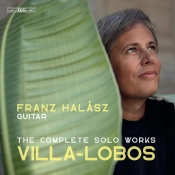
Towel offer10%The Complete Solo Works - CDBIS34,35€ 10% CARDfree shipping
-
10%Discovery Of Brazil - Suites Nos. 1- 4 - CDMARCO POLO31,54€ 10% CARDfree shipping