


adicionar à lista de desejos

String Quartets Op. 1, Nos. 5 & 6 • Op. 2, Nos. 1 & 2 - CD Music
label:
NAXOS, January of 1993 ‧
see product details
31,42€
10% OFF
CARD
TDNoM2NUaFZSM1IyTVdsM2FWVkhRbnBDZDNWM1NXaGxXbFJZY1ZGcGVIY3pXVU5xZW5aRVRFSnNWbWx3UmxRekt6QnFSVkV3U21FcmFFaHVjVkpOVGtwNGVIaGlTSFpVU0VGeFVUWlRZWGRGV214WVVVcG5WRGRhYlZsQmNXZ3JSelpwVDJKeWNXTkRZVGh1WVVVMWRURmtia1YzTlZwWU1rTkhNVlF6YmtKTFVHMUdVVlUyYlhWTWJXMXJWR0Z6YWxOSlFUY3ZhWFJGTkhaUmRHVjZOaTk2UzFnNWFrY3JkV3RUZDFOVk9ESjZaMUZ6UlM5bU1VcHJXbk15WjJKallWRnpja0l5VXpKNVJXcFpXV3BoYnpobWVraDBjRFJ2WjFJeFJtOWtiMWhGWXpCaFJrSnVUbU0zSzBWSmFtOVdkbVZuWVhBMk5WZGhSVEp4UlRWQlZEazJWeTlMWTJzMmRuWlNjRUp0ZWswNVRUUnJUa1YwVjFGSmFDOWhVVGRCWXl0UlJ6TlVkaXRJY1hRMmJIZG9abk5tZW5oc1luUjVTemh1YUVGVWMwMUlibVV5ZEhCYWFXRkhaVVZLVTFOSkwwWnRVeXRHWWxWT2FrcExiV1EzWlc4M1VHZHJORkF6TkU1VVdubDZkbEpJZDBkMGFrbEVWVVpIV1doVUt6TlBOa1IyWlZoWlVWcE5aa0pGTVRob1ZYUldXbWwyWmxCTWNFZDNSMWxtWm05d1JFMU1UMHBLVFZvck9ETlBWM0V6VFdWamRXOXBZM0psY1hGclNVUjJUM1JPZGxCWmMzQnVXRll2U0RSU1lrVXphVWhQUTFKTFFUSm1ZMmR0Ym1OWWQyRTNURFpKTXpCdGFFUjRLMmMyTjJSb1prMXFSblo1WjFWeU56WmpMek5FVUhwNVZYTlBZM05vYlZBNGRUbHpSR2x6T0VwbE1qSjJkbkphWmtSa1NESlliRWR2WjBWNmN6Wm9kalJLTldscmNWVXhVRnBMYkd4VVkySldhR0pyUlVneFpuSjNhV1psVDBOUVJYbHdZUzlIY0dWRFVXRkhVbFpVUVhGVlZqbHBZa1I0Y0hwcFZYVjRiakZxWlRWWWNWSTBPR054WVhkV09XdFllbmt2VTFoTldqbHJTMk16WVd4dVZWRktla0l3WjFoTFQycFVNM28wVEdaSU1IaG1OVEpXU21NNUwyd3JaQzg0UlhRMGFXSm9lWE4xYVRKcFJrdElOamRGVFZwalVEZG9aSEZ6UnpjMVYzWmpZVWN6VVhWV01pdFZhbnBwU2pJMlpYWkNkQ3MxYTB0RGRYSXpSRFE1TkdSNFFrMVRaMkZsWTNaamVFdzFSSEV6UjNseTpmYk01Tmh2UnVxSDhmN0JSeFg3NXdBPT0=
free shipping
ARTICLE DESCRIPTION
ALIGNMENT
Disco 1String Quartet In E Flat Major Op. 1, No. 5
01 - Presto
02 - Minuet
03 - Adagio
04 - Minuet
05 - Finale: Presto
String Quartet In C Major Op. 1, No. 6
06 - Presto Assai
07 - Minuet
08 - Adagio
09 - Minuet
10 - Finale: Allegro
String Quartet In D Major Op. 2, No. 1
11 - Allegro
12 - Minuet
13 - Adagio
14 - Minuet
15 - Finale: Allegro Molto
String Quartet In G Major Op. 2, No. 2
16 - Allegro Molto
17 - Minuet
18 - Adagio
19 - Minuet
20 - Finale: Presto
DETeBook com proteção para wookreaderILS
ABOUT THE ARTIST
Joseph Haydn
Joseph Haydn foi um dos mais importantes e influentes compositores do período clássico, nascido a 31 de março de 1732 em Rohrau, Áustria, e falecido a 31 de maio de 1809 em Viena. Conhecido como o "pai da sinfonia" e o "pai do quarteto de cordas", Haydn desempenhou um papel central na formação da música instrumental tal como a conhecemos hoje.
Haydn cresceu numa família humilde, e o seu talento musical foi identificado ainda muito jovem. Aos oito anos, foi enviado para Viena, onde se tornou corista na catedral de São Estevão. Após a sua voz mudar, foi forçado a deixar o coro e começou a trabalhar como músico freelancer, durante o qual aperfeiçoou as suas habilidades como compositor e músico.
A grande viragem na carreira de Haydn aconteceu em 1761, quando foi contratado pela família Esterházy, uma das mais ricas e poderosas da Hungria. Como Kapellmeister (diretor musical) ao serviço da família Esterházy durante quase 30 anos, Haydn teve a oportunidade de compor e experimentar livremente, o que resultou em uma vasta produção de música de câmara, sinfonias, óperas e música sacra. Durante esse período, Haydn compôs mais de 100 sinfonias, das quais as mais famosas incluem a Sinfonia nº 94 (Surpresa), a Sinfonia nº 100 (Militar) e a Sinfonia nº 104 (Londres).
Haydn também é conhecido por sua música coral e sacra, com obras notáveis como os oratórios A Criação (1798) e As Estações (1801), que refletem a influência de Handel, cujo trabalho Haydn admirava profundamente.
O legado de Joseph Haydn é vasto e duradouro. Ele não apenas influenciou diretamente os seus contemporâneos, como Mozart e Beethoven, mas também estabeleceu muitas das formas e estruturas que se tornariam padrão na música clássica ocidental. Haydn é lembrado como um mestre da forma e um inovador incansável, cuja música continua a ser admirada e estudada em todo o mundo.
BY THE SAME ARTIST
-
10%Joseph Haydn - Symphonies No 94 'Surprise', No 101 'The Clock', No 104 'Bagpipe' - CDClassical Gallery3,90€ 10% CARD
-
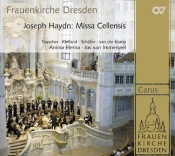
10%Missa Cellensis - CDCARUS26,62€ 10% CARDfree shipping